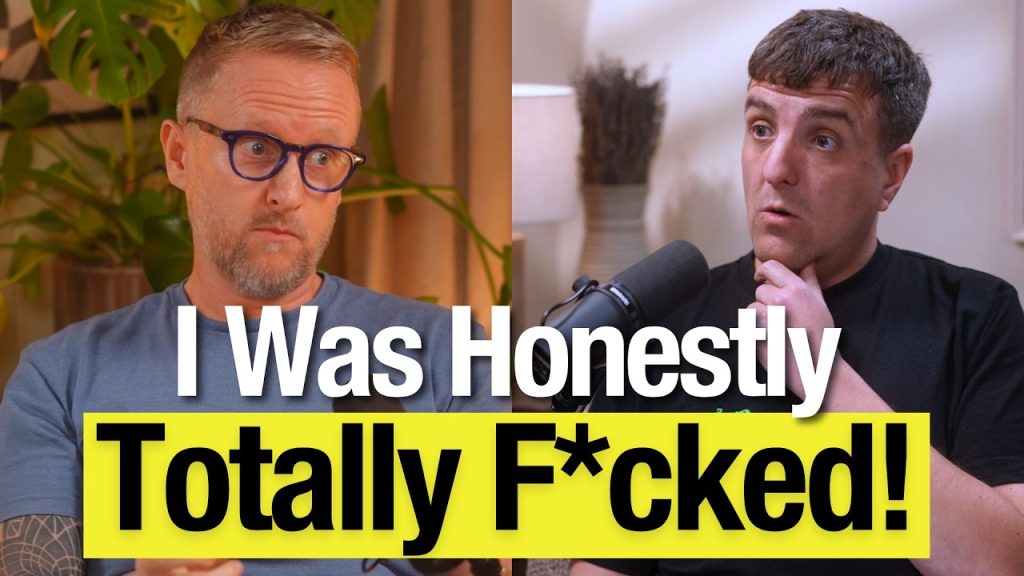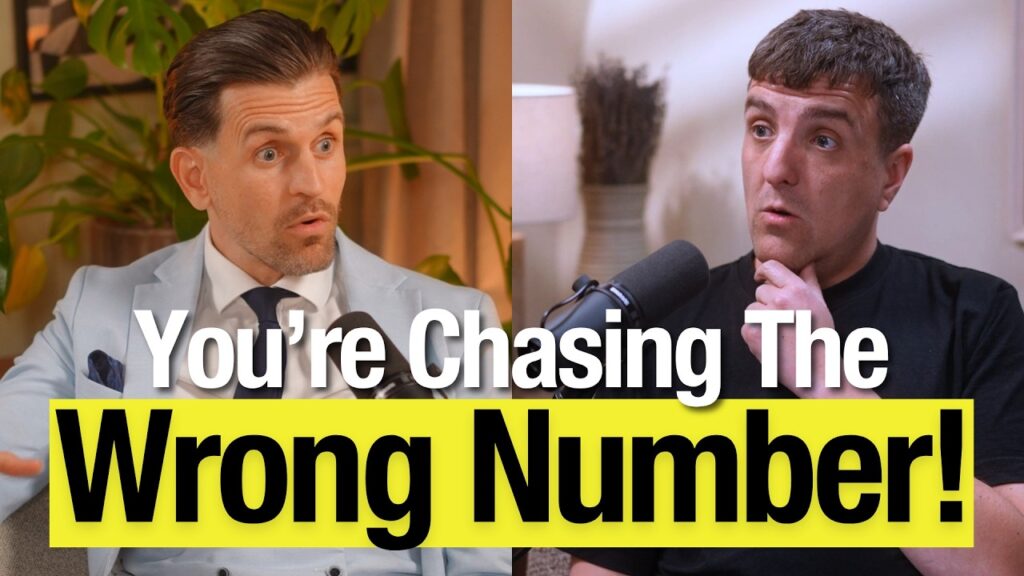
This week’s guest is Side Hustle Steven, an Arizona-based freelancer and Instagram creator who joins the podcast to walk through the side hustles that took him from living paycheck to paycheck to running a freelance writing business on Fiverr.
A run of vending machines and, eventually, a rental property were all built around a day job he’s kept the whole time.
Steven’s side hustle habit started young, selling homemade sweets and smuggled sodas to classmates at school.
It went quiet through his twenties as he followed the standard script: get married, get a job, buy a car, buy a house, and it wasn’t until he found himself stuck living paycheck to paycheck that he went looking for a way out.
A chance read of Rich Dad Poor Dad reframed how he thought about assets and expenses, and he went back to the side hustles he’d half-abandoned, this time with a plan.
What followed was a run of experiments: flipping items bought on Facebook Marketplace, freelance writing on Fiverr, a small fleet of vending machines, digital products, and content creation for outdoor brands.
Some stuck, some didn’t, and Steven is candid that each one became a stepping stone to the next rather than a forever plan.
This episode is a genuinely practical listen for anyone weighing up which side hustle to actually start, especially if freelancing or reselling is on the shortlist.
———
Gains App is LIVE!
An AI-powered budgeting and cashback app designed to help you make more of your money.
Download here: https://gainsapp.onelink.me/8IhT/oiaimr1z
———
Get a FREE FRACTIONAL SHARE worth up £100 when you deposit £1 with Trading 212
https://www.trading212.com/join/MGP
If you don’t receive the free fractional share, head to the menu and put the word ‘MGP’ into the promo code section.
(Capital at risk when you invest)
Key takeaways
- Steven says his first month of freelance writing on Fiverr earned him roughly $500 to $600, at the time of recording, and that early win is what set his side hustle direction.
- Niching down mattered more than writing talent: Steven focused on the outdoors industry, where clients valued his subject knowledge over polished prose.
- His Fiverr profile grew through reviews first, cheap early gigs to earn five-star ratings, then almost entirely through referrals and word of mouth once his reputation built up.
- A vending machine placed in a dance and gymnastics studio made him around $600 to $700 a month, at the time of recording, for roughly half an hour of restocking every couple of weeks.
- He treated each side hustle as a stepping stone rather than a permanent fixture, using freelance income to fund vending machines, then vending machine profits to buy a rental property he still owns.
Timestamps
- [2:41] Growing Up With an Entrepreneurial Bug and Childhood Side Hustles
- [8:15] Living Paycheck to Paycheck as the Wake-Up Call
- [9:18] How Rich Dad Poor Dad Changed His Money Mindset
- [11:44] Starting Out Reselling on Facebook Marketplace and eBay
- [14:25] Setting Up a Fiverr Profile and Finding Your Niche
- [18:07] Growing Fiverr Reviews Into Referral-Only Client Work
- [19:25] Why Industry Knowledge Beats Writing Skill, Even Against AI
- [23:06] Vending Machines, Digital Products and Content Creation
- [26:27] Real Vending Machine Income Figures
- [33:01] How to Choose Your First Side Hustle
From childhood candy sales to a paycheck-to-paycheck wake-up call
Steven traces his entrepreneurial streak back to grade school, where he and a friend made homemade lollipops to sell to classmates, later graduating to sneaking sodas into their backpacks to sell at school.
That instinct went dormant through college and into his twenties as he followed what he calls “the dream”: get a job, buy a car, buy a house.
He landed a job at a local copper mining company, where he still works today, and settled into the lifestyle that was supposed to come with it.
Three or four years in, the cracks showed. Pay rises came, but lifestyle inflation ate them straight away, and Steven found himself unable to afford family trips he wanted to take his wife and young kids on.
Rather than cut back hard on spending, he decided the faster route was to grow his income instead, which is what sent him back to the side hustles he’d shelved since his teens.
If your own monthly numbers feel harder to pin down than they should, our budgeting calculator is a quick way to see where the money is actually going before you start hustling to fill the gap.
The book that flipped his money mindset
The turning point, in Steven’s telling, was reading Rich Dad Poor Dad shortly after totting up the cost of a family trip to Disneyland and realising he couldn’t afford it on his day job alone.
The book’s core idea, buying assets rather than accumulating expenses, reframed how he saw the previous four or five years of spending.
From there he went looking for ways to build income rather than just trim outgoings, starting with side hustles he already knew from his teenage years.
Building a freelance writing business on Fiverr
Steven’s first move back into side hustling was reselling items bought on Facebook Marketplace on eBay, a hustle he’d run before in college.
Limited inventory in his small Arizona town pushed him to branch out, and he landed on Fiverr, a freelancing marketplace where he tried several services before freelance writing stuck.
By his account, his first month of writing work brought in $500 to $600, enough to set the direction for the next four or five years.
He’s candid that he doesn’t rate himself as a strong writer even now. What worked, he says, was niching down into one industry, outdoors and camping content, where subject knowledge mattered more to clients than prose quality.
Steven’s advice to anyone starting on Fiverr is to begin from existing skills or interests rather than trying to offer everything at once, since a broad, unfocused profile struggles to find clients at all.
Why industry knowledge beats writing skill, even against AI
Fiverr rewards reviews, Steven explains, with the platform pushing profiles with more five-star ratings further up the results.
He started with a couple of projects priced at $5 purely to bank early reviews, then watched referrals and direct-message enquiries take over as his profile built a reputation in his niche.
Today, he says, almost all of his freelance work comes from word of mouth rather than the platform itself.
Asked about AI tools like ChatGPT threatening freelance writing, Steven’s view is that clients hire for industry experience and natural terminology as much as writing polish, something he doesn’t think generic AI output replicates yet.
It’s a point that lines up with a wider theme in the episode: standing out on Fiverr comes from specialising, not from being generically good at everything.
Vending machines, digital products and stepping-stone side hustles
Once freelance income was flowing, Steven put a chunk of it into vending machines, chasing something more passive than trading hours for freelance dollars.
He pitched local businesses directly, placing machines in spots that wanted something for waiting customers rather than commission, an auto repair garage, a dance and gymnastics studio.
One machine in the dance studio made him around $600 to $700 a month at the time of recording, checked and restocked roughly every two weeks for about half an hour’s work.
He notes higher-traffic locations can reportedly earn $1,000 to $1,500 a month, while a quieter spot he ran brought in a couple hundred dollars monthly, still a solid return for the time involved.
He’s since scaled back the vending machines but kept a couple running for fun, while adding digital products and content creation for outdoor brands, photography and video, to the mix.
His side income list has always been in motion: freelancing, reselling, vending machines and digital products have each had their moment, some staying, some being cashed out to fund the next thing.
From side hustle income to a rental property
The vending machine profits eventually became the deposit that funded a rental property Steven still owns, a deliberate move from trading time for freelance dollars into an asset that pays him regardless.
He considered going full-time on his side hustles roughly a year before this recording, then held off after an unplanned car purchase and the cost of US health insurance ate into his savings, deciding to keep building multiple income streams before making the leap.
His advice to anyone weighing up their own next step is to start from what they already have, existing skills, interests or equipment, rather than chasing whatever side hustle is trending, and to treat any side hustle as a possible stepping stone rather than a permanent fixture.
Freelance writing funded his vending machines, which funded his rental property, and he expects the next side hustle to be a stepping stone too.
If you’re building your own side income and want a broader list of ideas beyond freelancing, our guide to the top ways to earn a side income is a good next stop.
Once the extra money starts coming in, it’s worth knowing how much of it you actually keep. Our take-home pay calculator is a quick way to see what any extra freelance or side hustle income adds up to once tax is accounted for.
This transcript is auto-generated and lightly edited for readability, it may contain errors.
[0:00] Sammie Ellard-King: Hello and welcome to another episode of the Money Gains podcast. This is your host, Sammie Ellard-King, and today we are going to be joined by Side Hustle Steven, who joins us all the way from Arizona in the US. We go deep into some of the side hustles that Steven’s been doing. A lot of these are universal, they can be used globally. So we really go deep into some of those and how to get started with them, how much money you can expect to make back off them. It’s going to be a great show. But for now, if you’re listening on YouTube, please do hit that subscribe button. If you’re listening on Spotify or Apple, whack that follow, stick us in your library. It really does help the show. So let’s get started on the Money Gains Podcast. The Money Gains Podcast. The Money Gains Podcast.
[1:03] Sammie Ellard-King: Pretty good. How are yourself? Yeah, not too bad, not too bad. Thanks for asking. I’m I’m looking forward to this chat today. It’s gonna be a good one. Whereabouts in the world are you joining us from? Uh so I live in a little tiny farming town in Arizona. So wow, okay, cool. I’ve never been to Arizona. I’ve been all over the US, but one state I’ve never been to is Arizona. Well where are you near? So I I’m in the southern half, so there’s not a whole lot to see down here. So most people that come to Arizona, they’re usually going like Grand Canyon. Yeah. That kind of thing. So not a whole down where I’m at. It’s a beautiful part of the world though. Oh yeah, I love it. I live in a desert. It’s nice and warm year-round. So yeah, I can’t complain.
[1:54] Sammie Ellard-King: Oh, awesome. Well, um, I came across your Instagram channel probably a few about five, six months ago now. I’ve been following for a little while, and I I love all of the quotes that you put up, and you know, you inspire me when I’m having a rough day. So it’s uh it’s good to it’s good to meet you and and finally sort of make this happen because I think um we’re gonna dig deep into sort of side hustling. Um, but first I want to get to know you a little bit as well, and I’ll you know the listeners and set a bit of context to sort of why you started side hustle, Steven. Um so when we kind of go back a little bit to to the younger days of Steven, how like what was your money relationship like growing up? What was your kind of you know, your setting?
[2:41] Side Hustle Steven: Um, you know, I think I always had like an entrepreneur bug, even when I was real small, like in grade school, I remember every day after school, me and my buddy would go get off the bus, go to his house after school, and we would make homemade uh candy, like lollipops and stuff like that, just to take to school the next day and sell to the other kids. And then obviously from there we graduated to uh sneaking in sodas and our backpacks to sell to the other students and everything else. So even from a young age, I always had a little hustle going on on the side, and uh it didn’t really, you know, I didn’t really do anything with it until out of high school, out of college, um got married and had to go get a real job. And uh, you know, trying to live the dream, what everybody says is what you’re supposed to do, you know, go get a job, go do this, go buy a car, go buy a house, and uh quickly found out that all that is not very cheap. And so, you know, my money practices were not great, and it got to the point where I just got tired of living, you know, paycheck to paycheck. And so I kind of had to go back to some of those younger days in high school, and I had a few side hustles in college as well, you know, just reselling on the internet and things like that. So that’s kind of where I started to get back into it, into some of my older side hustles when I was a kid, and it’s just kind of morphed into what it is today.
[4:14] Sammie Ellard-King: It’s brilliant. Like, you know, uh I was talking to a guy from Ireland Connor, and he had exactly the same side hustle selling sweets. It seems to be like that’s what you start when you’re like 13, 14. It’s that kind of perfect, like we can do this, we can make a bit of money, and that money that you make, those first few dollars, is just like mind-blowing, isn’t it? For the the 13-year-old youth. Yep. What did you spend? Starts everything. Yeah, yeah. I don’t even remember. I just know I always growing up, I always hated asking my parents for money. You know, if I wanted to go do something with my friends, or when I got to the age where I could drive my own vehicle, I hated asking them for money to go do things, and it was just not only easier to me, I guess it literally wasn’t easier, but it just made more sense to go make it myself. And so no telling what I spent all that money on, probably nothing worthwhile, but I just for some reason I just liked making my own money, and I mean I’m glad I I did because it’s kind of shaped me who I am today, but it just I probably didn’t spend on anything smart back then. These days I try to be a little smarter with my money.
[5:26] Sammie Ellard-King: Yeah, yeah, for sure. Like it was probably like extra sweets for your personal consumption rather than anything else, right? Um you mentioned college there. Well, what did you you you left high school, you went into college, what what did you do at college? So I actually didn’t even finish college, to be honest with you. But when I was going, I was studying business and marketing, and uh I I loved it, but like I said, I ended up getting married and uh just decided, you know what, I’m gonna go get this well-paying job that you know pays the bills and puts school kind of on ice for a while. And so that’s what I did. And I mean it’s it’s worked out. I haven’t gone back since, but I don’t know, maybe one day.
[6:11] Sammie Ellard-King: Plus side is you didn’t have the debt, right? Exactly. No, that I I did finish my I got two years’ worth done, got an associate’s degree, and I left with zero debt. So I think that’s a huge advantage I’ve had talking to you know a lot of my buddies and a lot of acquaintances is that you know, I may not have that degree, but uh at the same time I’m not you know weighed down by all that student loan debt that I know a lot of people have. So well, yeah, no, it’s uh it it can grow on you, you know, honestly. We’re we’re it’s slightly different here in the UK. We we don’t really have a choice. It kind of starts coming out of your paycheck automatically um when you reach a certain threshold. So you if you’re under the threshold, you never ever pay it back. But if if uh if you do, then you start paying it in small bits, and as you earn more, you pay back more, and you’re a slave to it for a while unless you uh unless you clear it off. It’s uh it’s it’s a good way to put the most of the population in debt from a young age for sure. But um so you’ve gone from college, you’ve gone into this um into this job. What was the job what was the first job that you were doing there?
[7:25] Side Hustle Steven: Uh so it’s still the same job I have today, actually. Um I work for a local copper mining company. Um I’ve kind of done a few different roles, but I’m still a thing company. Uh now I work in their laboratory and I actually test their samples to see how much gold and copper and silver and everything they’re pulling out of the ground. So it sounds a lot more interesting than what it is, but like I said, it pays the bills. So you you’ve done that for how long was it until you were just doing the job and you know coming home and doing the typical, you know, every the the lifestyle that every you know the house, the car, the job. When did it suddenly go? When did you suddenly go, um, this isn’t for me? This isn’t enough. Yeah.
[8:15] Side Hustle Steven: Um, it was probably three or four years I worked that job. And like I said, I was living paycheck to paycheck, and yeah, they they’d give us a few raises here or there, but you know, that lifestyle inflation as well, it just my paychecks were not going far. And that’s when I really decided, you know, I can’t do this anymore. I’m I can’t go on any of these family vacations that I wanted to take my wife and my young kids on. Just decided I gotta change something. And to me, the easiest part about doing that was not so much cutting back expenses, it was let’s just increase my income to spend money on, you know, going on these vacations, spend money on more investments. You know, I really started diving into finance. And so that’s what really started this wave of me diving into not only old side hustles that I had done before, but just starting new ones, experimenting with new ones, and just trying everything I could.
[9:18] Sammie Ellard-King: So you’ve suddenly switched and you’ve got this bug. What was it that made you go? Now is the time? Was there a was there a book? Was there a podcast? What happened? Uh yeah, no, I think it was, like I said, I I hit a point where I wanted to take my family, you know, we live in Arizona, so it’s only about a seven, eight-hour drive to Disneyland. You know, I’m not a huge theme park person, but you know, with a young kid, it’s like that’s that’s the place, you know. And I was looking over our finances and really trying to figure out okay, how much is this gonna cost? And that’s when it was like, I can’t do this unless I try something else. And it was about that time, maybe even a few weeks after that, that I read the book uh Rich Dad Poor Dad. And that one set it all off. You know, it say what you will. A lot of people have mixed opinions on the book, but I I loved it, and it really put my whole perspective on money in a whole new light versus you know, buying assets, holding assets versus expenses, and that’s what made me realise. Well, I’ve been spending the last four or five years of my job and my life just buying expenses, really, and racking up this debt, and now I need to completely change that, start buying you know, assets essentially.
[10:45] Sammie Ellard-King: It’s such a good book. Like you it’s one of the fundamental, probably has to be in the top three personal finance books of all time. And there we there’s a reason for it. It’s it’s it’s the altered thinking and the approach to life that we, you know, you we’ve we’ve touched on it briefly before, where it’s like you’re supposed to do these things and you follow this mantra that’s just kind of been laid out for you, and that book really just spins it all on its head, and suddenly you have this altered thinking, this process that you’re gonna go through and creating wealth for yourself via assets, and it’s it’s a really powerful story. Um, I encourage everyone to read that book. Uh it’s it’s it’s an absolute winner. So you read the book and you’ve gone from there. So, how did you then start to put the wheels in motion outside of your day job, which you obviously still have today? So you started this side hustle. What was the first one?
[11:44] Side Hustle Steven: Uh, so what I think I did, you know, I was looking at those different trips and vacations I wanted to go on that year because I I like going, I’m an outdoors person, I like go camping and visit national parks and all that as well. And so, on top of the theme park Disneyland, I had these other trips in mind and I had them planned. So I was like, okay, I need to make this amount of money in this amount of time. And so I think the first one I jumped back into was reselling things online, and what I would do is go to like Facebook Marketplace, and I would buy things and simply just flip them on eBay. I know I did that a lot in my college and high school, and so I started there, but again, I live in a little tiny town, so you know, inventory is limited, and so what I ended up doing was just branching out and trying a lot of different things. I ended up on Fiverr, I don’t, it’s a really good freelancing platform, and I offered a bunch of different services, and the one that really stuck pretty quickly was freelance writing. And I think within my first month, I made like five or six hundred dollars, and so that really kind of set my whole trajectory off. I still am a huge freelance writer today, and it’s just something I kind of fell into because I was just experimenting with all these different side hustles. But I I definitely started with the reselling, and then as the freelance writing got more and more you know profitable, I just kind of stopped doing everything else and just focused on everything freelancing at that point.
[13:22] Sammie Ellard-King: So you you worked out what worked and you doubled down on what did. So talk to us about Fiverr because I know a lot of people out there want to start side hustles, and Fiverr is wicked, especially for the beginners. Like how how do you set up the profile and what does it kind of give you?
[14:25] Side Hustle Steven: Yeah, so I I recommend Fiverr to everybody looking. You know, I get a lot of people message me, well, what should I do? How can I do it online? Um, because that’s one of the greatest benefits of Fiverr and freelancing in general, is you can do it online, you could do it uh you know, whenever you have free time, essentially. Other side hustles you have to you know carve out dedicated blocks of time or in a location-based whatever. Whereas Fiverr, depending on what you’re doing, you can kind of just pick it up whenever you have the time. So I would do it, you know, after work, after the kids went to bed or whatever. Um, setting up a profile is really easily, you know, you could do it in probably five, ten minutes. Um, you could pretty much do anything on Fiverr as far as freelancing goes. Um, I just kind of fell into the writing, but I think I tried proofreading, I tried um, I still do a little bit of content creation as far as videos and photos, at least the outdoor stuff. Um, I’m trying to think. I tried a bunch of stuff and it just for one reason or another, you know, something would work. It would, you know, lend itself to my existing skill set and other things wouldn’t. And I just kind of narrowed down that list until I fell into the writing. And I definitely don’t think I was a very good writer at all. I still, even though I’ve been doing it now for four or five years, I still don’t think I’m a very good writer. But I think what helped me the most was just focusing on one specific industry and really niching down and finding people that, you know, in that industry that needed help with writing or needed help with photography or whatever. And what I ended up with was the outdoors industry for me. But when I tell people, hey, you need to get started on Fiverr, you know, I always ask them, well, what are some existing skills or interests that you have? And start there and then start looking because if you can niche down, you’re gonna find people to help a lot faster and you’re gonna make you know a lot more money a lot more quickly as well.
[16:30] Sammie Ellard-King: 100%. Well, I what I loved about what you said there was you you really kind of went for one thing and niching down, niching down. You know, we say niche, you say niche. I love it. It’s an ongoing battle. Um they um, you know, first time I heard niche, I was like, what is that? Yeah, yeah, yeah. And I literally had to Google it and I was like, all right, yeah, they mean niche, but we’re obviously you know slightly fret nearer the French side of stuff. So um, but what I loved about that is you said niching down was what you did. And if you go on there and offer every service and everything going, you’ll probably well, you will fail. You will fail. Um because people will see straight through it. You know, they want someone who is a specialist in X. Um, and it’s it’s important. You you you did something one that you thought you could do, two that you enjoyed doing, and you went for it. Um you looked at skill sets that you thought, well, hey, I could probably do a bit of that. Because out there you’re probably better than the other people that uh you know that cannot write at all. So for them, you’re you’re a great writer, you know, and then that’s that’s the way that they see it. So and if you provide that level of service, then you know that’s great. And I think Fiverr’s cool because it started by literally it was jobs for five dollars, wasn’t it? I think, and then it’s kind of gone from there. It’s definitely not that anymore, because I mean, what could we buy at five dollars? Like so, how did you grow the clientele on the platform?
[18:07] Side Hustle Steven: So with Fiverr, you know, it’s it’s kind of interesting how they work, they are big on reviews, and the more reviews you get, it seems the more they start pushing your your services and your profile to potential clients. Um, so when I first started out, I did, I think, I think I wrote two or three uh projects for like five dollars, you know. Obviously, I don’t even think you can find anything for five dollars anymore on Fiverr, but I started out with you know dirt cheap prices just to get a couple five-star reviews. You know, I went above and beyond to help them. And as you start to get more reviews, it seems like they really start to push your profile and your services more. Um, on top of that, because I niched down in a certain industry, I started getting a lot of emails and a lot of messages outside of Fiverr from you know referrals. And to it’s gotten to the point now where I still do you know some freelance writing on the side. But almost all of my work now just comes from referrals and working outside of Fiverr. I still love Fiverr, but it’s grown to the point now where I almost don’t really need it anymore, and it just has come from word of mouth at this point.
[19:25] Sammie Ellard-King: So you must be a pretty good writer, man. If you’re getting referred to us, don’t you? I still don’t think I’m a good writer. I think really what it is is, and I’ve had people literally tell me this the first time they contact me is hey, we need somebody who knows this industry. Because if you know the industry, there’s gonna be certain phrases, certain words that you use, uh, a certain amount of experience you’re gonna have. And whether you’re, you know, a beginner intermediate or an expert level writer, you know, just the fact you know something about that industry that you’re working in, they want that more than they want the writing skills. Especially now, I don’t know if you’re aware of like the new AI writing stuff, you know. Yes, it’s crazy. And so I I don’t really think your level of doing anything at this point is that important. I think it’s more of your experience and your interests more than your level of writing for for me, anyway. That’s just my opinion.
[20:23] Sammie Ellard-King: 100%. You know, I completely agree with you. One of the main when this all started kicking off with ChatGPT like uh a few weeks ago, you know, there was the SEO is dead, content writers is dead, the you know, the the journalism is dead, etc. And it’s like, well, actually that can be further from the truth because if you actually look at these things, the answers they spit out are quite, you know, duh I can’t really they’re quite boring, and the tone isn’t there, it’s not it’s not written by a human, and you can see straight through that. And one of the things you said about terminology and the way that people uh utilize that in real life formats, I don’t think can be replicated by AI yet. I say yeah, because yeah, I say yeah, because it’s getting good and it’s getting scarily good, but people will always want that human touch, and I still believe that people that have niche down into these areas, like you know, I’m personal finance, you’re outdoors, and I think we’ll be okay because but if you’re writing about history and facts, then you know it might be quite difficult for you. So that’s that’s just the truth, you know. So all right, cool. So you you’ve you’ve you’ve grown this side hustle. When was it that you kind of uh uh set up side hustle Steven? Because it’s grown into this uh this beast of an Instagram channel now.
[21:53] Side Hustle Steven: So yeah, um, I think I’ve been doing that Instagram now for a year and a half or like two years. And at the beginning it was just a place to share my thoughts and feelings on you know my various side hustles. Uh back at back when I started as well, I was super into vending machines. That was another one of my side hustles, and that’s what I kind of invested all my freelance money into was my machines. Kind of the idea with that was to get something a little more passive because freelancing is still very much trading your time for money. Granted, you’re making I’m usually making a lot more per hour with my freelance work than my day job, so it’s worth it to me. But I wanted to be smart with that money and invest it into assets, you know. So I did the vending machine. And so that Instagram channel kind of started out sharing a lot of the various side hustles I was still kind of doing. And then it’s since then it’s kind of changed a few times. It’s still kind of sharing my thoughts and feelings on finances and various side hustles and trying to help people find side hustles of their own at this point.
[23:06] Sammie Ellard-King: So you mentioned the vending machines. Is there any others that you you that uh uh are making you money right now? Uh right now, yeah. Some of my favourites, uh I sell uh digital products on various platforms. I I love those because they’re super passive. Uh you don’t have to worry about inventory or anything like that. Um I still do a lot of freelance writing, like I said. Uh I’m slowly moving into uh content creation for major brands and companies, uh mostly photo and video. So I’ve been trying to increase my skill set there and take better photos, take better video, edit these videos for these brands. Um let’s see what else. I still I’ve kind of moved away from the vending machines after the whole pandemic, but I still have I think one or two that I kind of run on the side just because they’re so much fun and they’re so passive. Um, what other side house?
[24:09] Sammie Ellard-King: How does that work then with those vending machines? So you you provide the stock for them and then take the margin on top of what you pay for the wholesale of the product, is that right? Yeah, so I just basically went around to various businesses here in our town and kind of pitched the idea to the business owner said, Hey, you know, I’ve got this vending machine if you want to put it in here to help your employees or your customers or both. And so after I had put the machine in there, what I’d usually do most of these places I don’t they don’t charge me commission or anything. They just want a machine in there to provide for their customers, you know. For example, let’s say an auto body auto-body garage, you know, a repair garage. When they’re getting their tires changed or their oils changed or whatever, their customers are just sitting there for while staring at the vending machine. Yeah, yeah. So they want something there for their customers. And so what I’ll do is, you know, once a week or once every two weeks, I’ll go in and restock it with chips and candy. So I guess I never got out of the candy game even from grade school. I still sell you know candy on the side, but I’ll there’s good money. I’ll just buy it, you know, wholesale and just mark up the price, you know, ever so slightly. And yeah, that thing makes money whether I’m there or not. And I just gotta make sure I maintain it every so often, you know, pull the money out, restock it with you know, new products, and make sure it looks good and the machine’s working properly, which these vending machines are a pretty low maintenance, you know, they’re pretty easy to run. I really think anybody can do them. I think the hardest part is just kind of learning how to get started with them. And I think people get a little, you know, uh, I don’t know what’s the word I’m looking for. They think they get a little overwhelmed when they start thinking about trying to start it. And they’re big machines, they’re heavy, they are kind of hard to move. But if you can just figure out the logistics of it, they’re honestly a really passive and easy way to make you know money on the side. And that’s kind of why I still, even though I don’t do them a whole lot anymore, I still it’s one of my favourite side hustles because they are so fun.
[26:27] Sammie Ellard-King: Can you talk to us about any figures with the vending machines? Yeah, so one of my favourite ones, you know, and again, I live in a little town, and so a lot of these, you know, schools and garages and stuff already had vending machines. So I had to get creative with where I put them. One of my favourite ones I put in a dance and gymnastics studio. So there’s a lot of little kids running around, they have dance lessons and gymnastic lessons and stuff. And on average, that one was making me around like six, seven hundred dollars a month. Nice. And I would check it maybe twice a month, you know, every other week. It seems seems like I was going to um restock it and pull the money out. And yeah, uh, good machine. You know, I’ve I’ve heard of people in higher traffic areas, they can make anywhere from a thousand to fifteen hundred dollars a month on one machine. Seems like average for me and kind of a okay spot was making a couple hundred dollars a month, so which I was happy with because again, it only takes me about half an hour to put new products in and kind of clean up the machine, and it’s ready to go for another week or two, you know. So love that.
[27:44] Sammie Ellard-King: Love that. That’s such a cool side hustle, you know. It’s it’s it’s it’s thinking outside of the box as well, you know. There a lot of these side hustles these days, they are competitive and they are there is so many people jumping in because there are so many websites covering them, and you know, there’s the top 10 side hustles, the top 50 side hustles, and these and they’re the same on every single list. And so, you know, you don’t normally see vending machines always on those lists. So they these are things that people can try that uh you know haven’t always been done. Um and let’s face it, you know, who doesn’t love a Mars bar? It’s uh it’s a it’s always a market. Exactly. For me mainly, yeah, it’s terrible. But no, we see them at train stations, shops, malls, like they’re everywhere. And uh, you know, if you can find yourself a couple of spots, then as you say, half an hour uh once or twice a month isn’t a bad uh return on a few hundred quid. So amazing. So you you’ve you’ve you’ve got this freelance uh job doing well, you’re picking up clients, you’re starting content for bigger brands, and this has kind of got to the point now, you know, it’s a good question to ask you. People obviously want to start side hustles perhaps to replace their income or to just to earn extra cash. Are you slowly now getting to the point where you have a decision to make or is it um still uh Yeah?
[29:17] Side Hustle Steven: Yeah, no, I I get that question quite a bit, and to be honest with you, it was uh maybe about this time last year. I was making preparations to go full time with all the various side hustles I have, and uh last second decided to hold off because my wife’s car broke down, had to go buy her a new car. And typical. I mean, now now knowing what I know about finances, I was totally against financing any kind of car, and but I had to pay cash for it, and so that kind of depleted my my savings. But at the same time, I was shopping around for um health insurance. So here in the US, the whole health insurance thing is not ideal and it’s very expensive. Yeah, and so during that time, you know, I had to pay for the new car and then was shopping around for health insurance for the family. Decided to hold off for a little while, and I’m glad I did because you know inflation took its course and everything is just crazy priced right now. And the freelancing, as much as I love it, it’s still very much, you know, up to the clients and what they’re willing to spend. And I noticed a big kind of dip as soon as all that started happening as well. I’m I’m still getting regular clients and the regular clients I work with, but decided to hold off. But I am looking now, now that I’ve got a few different avenues and I’m working on a few more income streams and side hustles. I think I will be re revisiting that here in the near future. So fingers crossed that before too long.
[30:57] Sammie Ellard-King: Yeah, no, I I you know I built Up The Gains as a as a side hustle, and it it’s it’s very quickly becoming uh a second full-time job, is what my partner would call it. She uh she’s uh she’s an absolute saint because I’m up early in the morning three, four hours of work before the actual working day. But it it’s what we have to do to get ahead, right? Like it’s you want to make more income, it’s uh it’s called a hustle for a reason. You have to hustle, and right, you know, it’s not gonna come to you. So for those um looking to I’m sure you get this question a lot for on Instagram with the kind of content you’re putting out. But if I’m sitting in my job today and I’m listening to this podcast and I’m thinking I want to go to Disneyland, but I don’t know how, what’s the first step you think you would advise somebody to take?
[33:01] Side Hustle Steven: Um usually when I talk to people that have that question, they usually have some kind of idea where they want to start. Like, hey, I’m thinking about uh driving for Uber or delivering groceries, or I want to start freelancing, you know. And usually it’s just somewhere they’ve heard that side hustle idea from somewhere, maybe even from me before, but they don’t really know what it takes to start that side hustle. And so I always kind of tell them to well, take a step back, let’s look at again your passions, your interests, and maybe any skills you already have or equipment you already have, you know. If I owned a big truck, you know, that could be a lot more valuable to the community than if I didn’t. I could start a lot of different side hustles just with that. You know, if you have a certain skill set, if I know how to design websites, you know, that’s an in-demand skill set that I can then turn into a side hustle. And so I always tell people, let’s start there, go through your different uh ideas, sure, but let’s look at your interests, let’s look at any skills you already have that you can then turn into some kind of side income, some kind of business. And usually when we do that, they always tend to think of one or two things like, well, I know how to do this or I know how to do that. It’s like, let’s start there and maybe not keep that side hustle forever. You know, I’ve started a lot of side hustles that I don’t do today because they were like a stepping stone to another business. Yeah, you know, I started the freelance writing in order to make money to invest into the vending machines, and then I mean I still do the writing, but I don’t really do the vending machines anymore because I use that money that I made with them and I invested it into a rental property, which I still own today. So, you know, I’ve kind of always had the idea of even though I have a side hustle, it may not be you know a long-term thing. I could use it as a stepping stone, or I can improve my skills with this side hustle, and then it could turn into something else down the road. And so if they’re looking for you know a short-term gain, it’s always the easiest way is always to use what you have or what what your skills are currently. Yeah, but then maybe have an idea of where you’d like to be down the road and try to work towards that with whatever side hustle or business you want to create.
[35:21] Sammie Ellard-King: I love what you said there because that was going to be one of my questions for you today was how do you progress? Because I I did the same. I was deep in debt and I used my side hustle to alongside my income to get myself out of debt quickly. I used to um scour uh apps for trainers and I resold trainers and bought them at retail price, sold on StockX three weeks later, sometimes double, triple the value. I was still doing that till two, three years ago, but I and I used after I got out of debt, I used that money to invest uh into the stock market and um grow that way. You know, you use your money to get into a rental property again, it’s investing to it pays you back eventually. And uh those stepping stones are great. And from there, you know, I did I uh I’m a marketeer by trade, I’ve been in marketing 14 years, and I’ve launched multiple brands, and I was like, right, well, you know, how do I how do I take these skills that I’ve learned about ranking other websites into my own? And so, you know, I’m utilising day-to-day skills, things that I know, things that I like. You know, I was a trainer, I was trainer mad, and that’s probably what got me into debt in the first place. And that’s like but that you know, I use what I loved and what I knew and turned it into a business, and it is it is literally as simple as that, and people just need that kind of drive and that that that almost seeing that success story to make it happen themselves and and the tools to do that. So you mentioned obviously you’ve got the the rental property now. What’s the next phase for you?
[37:04] Side Hustle Steven: Um, you know, I have some personal goals I’d like to hit as far as my investments and you know, maybe another rental property or two down the road with real estate prices. I’ve kind of taken a you know a step back from adding more to that. The the property I have now I really enjoy because I got a great renter in there. He takes care of the place, and you know, I got in at just the right time before prices really skyrocketed. So maybe in the future I’d like to revisit some real estate stuff. But for right now, and it kind of goes back to the question of why don’t you jump into your side hustles full-time is because it’s kind of nice having two paychecks right now. You know, the day job takes care of the bills, it pays for everything, you know, just fine. Whereas my income from my side hustles, I can use to invest. I can use it for you know, some of these goals and these vacations I’ve had, you know, my eye on. At first it was just to get me out of debt, and now that I’m debt-free, you know, that money can be utilized in a lot of different ways. And so I have a couple benchmarks, you know, as far as my personal investments and and uh things like that, some savings goals. But once I get there, I I’m not really sure what the next step is. You know, I have a few more business ideas I’d like to explore maybe in the future that’s gonna take up a lot more uh a lot more effort and a lot more startup capital. And that’s kind of I think what I’m kind of aiming towards right now is just kind of saving my money and just building those skills until the time’s right to start those businesses in the future.
[38:41] Sammie Ellard-King: So for someone who’s looking to uh that perhaps already side hustling, doing really well with it, perhaps gravitated to that next level, what kind of bit of advice do you think you’d give them if they are looking to um go full-time with it? Uh just I think have a have a solid plan in place. You know, when I like I said, I was just about to quit my job and I was trying to get, I had a checklist. I I gotta have this much saved, I need to have this in place. I want to have, you know, X amount of clients, you know, returning clients or whatever. I think just to have everything in place and make a game plan, I think will have you on the right track if you ever want to take any of this full time, which I mean all of us want to do what we love to do for a living full-time. I mean, I think anybody does. I don’t think there’s I don’t think there’s a lot of people out there that enjoy their day jobs a hundred percent. And I think a lot of us side hustlers kind of always have that in the back of our heads, like hopefully this eventually turns into a full-time thing. And that’s kind of where I’m at too, you know. Like I said, I I’m hoping within you know the near future it does pan out, and I’ve got a few things I’d like to get in place before then, but just keep that goal in mind because if anyway, if there’s a lot of people that have done it before us, and there’s gonna be people after us, so you know, why not us as well? So that’s the way I see it.
[40:13] Sammie Ellard-King: Everyone can do it, even if you start with a tiny little thing and you’re only making a few pounds or a few dollars here or there, and it makes all the difference at the end of the day, it all adds up. It doesn’t have to be, you know, Elon Musk’s new billion dollar idea, it has to be something that’s gonna work for you and and and make a difference to your yours and your family’s lives. Absolutely. So, um where can people find you? Uh so I’m I’m most active on Instagram. Uh my handle is Side Hustle Steven. Um, I just got a just started a new website. It’s still a work in progress, but uh you can find that at sidehustlesteven.com. And I I’m kind of putting my writing skills to work there. I’m gonna try to get a blog going. I’ve got a few posts so far, but nice kind of more exploring the finance and hustle aspect of things, you know, which is new for me too. I’m used to writing about camping and hiking and things like that. So actually writing about finance-related stuff and business stuff has been a lot of fun. So um, either one of those.
[41:24] Sammie Ellard-King: Honestly, yeah, I feel you there. That’s a long road. Um, but it’s a great niche to be in, personal finance, you know, if you can make it work as a blog, but um any blog can can be extremely profitable. I was talking to someone the other day who still runs a side hustle, still has his day job. His side hustle is probably doing five, six times more a month than his day job, but he still keeps it going on his side hustle because he likes exactly what you said, he likes having two streams of income, and he never knows when you know Google will pull the plug or Instagram gets taken to court and we don’t have an Instagram channel anymore. You know, what what how is he going to drive traffic in? Um so he he he doesn’t want that risk. And I I rate that. I really do under I really do rate that. Um, you know, there’s there’s people out there that that go full time on it and and there’s people that don’t. It’s it’s totally up to them. So sidehustlesteven.com, watch this space, it’s coming for uh coming to a blog near you. You’ll probably see him number one on Google for side hustles very soon. One day. Well, good luck with the blog, my friend. It’s been really nice chatting with you. Um and yeah, I I do encourage people to go and follow you on Instagram. As I say, I’ve been following you for six, seven months now, and uh yeah, you’ve got a great channel, and uh yeah, definitely those writing skills uh uh uh come into the fruition. So yeah, well done, my friend.
[42:52] Side Hustle Steven: Yeah, I appreciate it. Thanks for having me on. Pleasure.
Frequently asked questions
Side Hustle Steven is an Arizona-based freelancer and Instagram creator who built a freelance writing business on Fiverr alongside vending machines, reselling, digital products and a rental property, all while keeping his day job at a copper mining company.
He set up a Fiverr profile, tried several services and found freelance writing stuck. He says his first month brought in $500 to $600, at the time of recording, after which he niched down into the outdoors industry to stand out from generalist writers.
Steven’s own figures, at the time of recording, put one machine in a dance and gymnastics studio at around $600 to $700 a month, with higher-traffic locations reportedly reaching $1,000 to $1,500 a month and quieter spots closer to a couple hundred dollars monthly.
Steven credits the book with reframing his spending as expenses rather than assets, which pushed him to use side hustle income to buy things that pay him back, like vending machines and eventually a rental property, rather than just covering lifestyle costs.
He’s most active on Instagram under the handle Side Hustle Steven, and also writes at sidehustlestephen.com, where he covers personal finance and side hustle topics alongside his usual outdoors content. This episode is for educational purposes only and isn’t personal financial advice. When you invest, your capital is at risk. This page contains affiliate links; if you click one and make a purchase we may earn a small commission at no extra cost to you. Steven’s income figures for Fiverr, vending machines and other side hustles are his own claims, accurate at the time of recording, and are not independently verified or guaranteed.
———