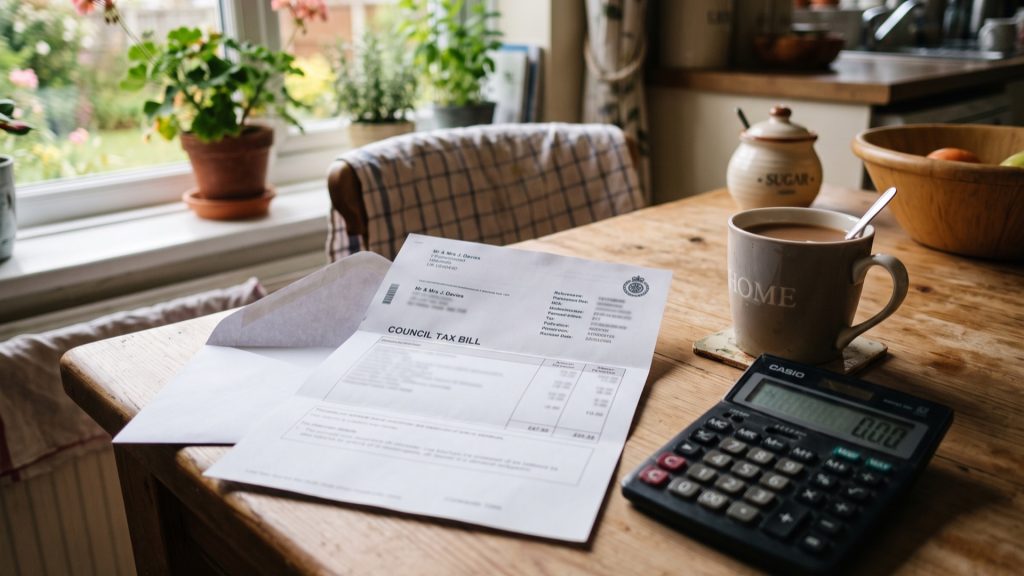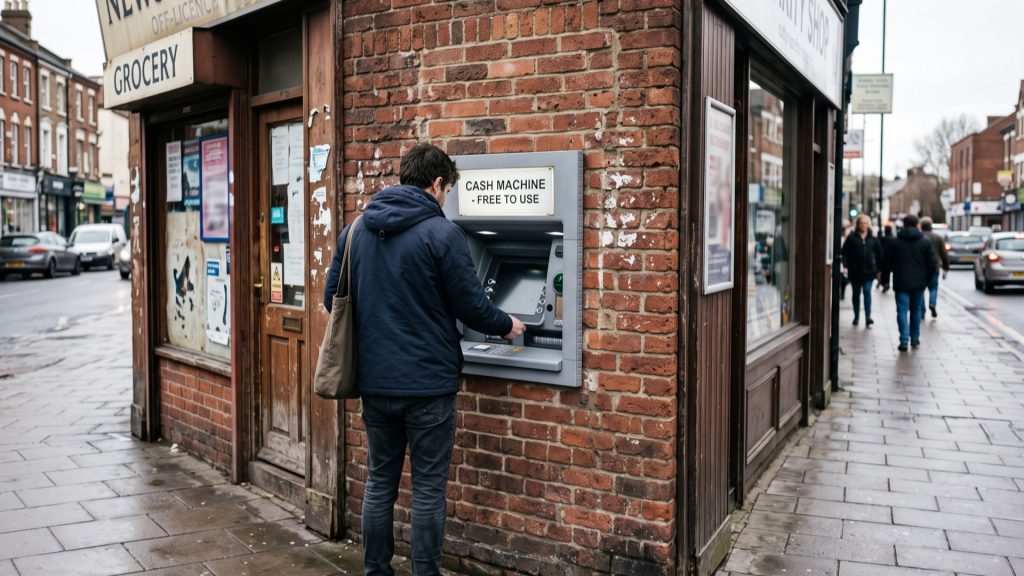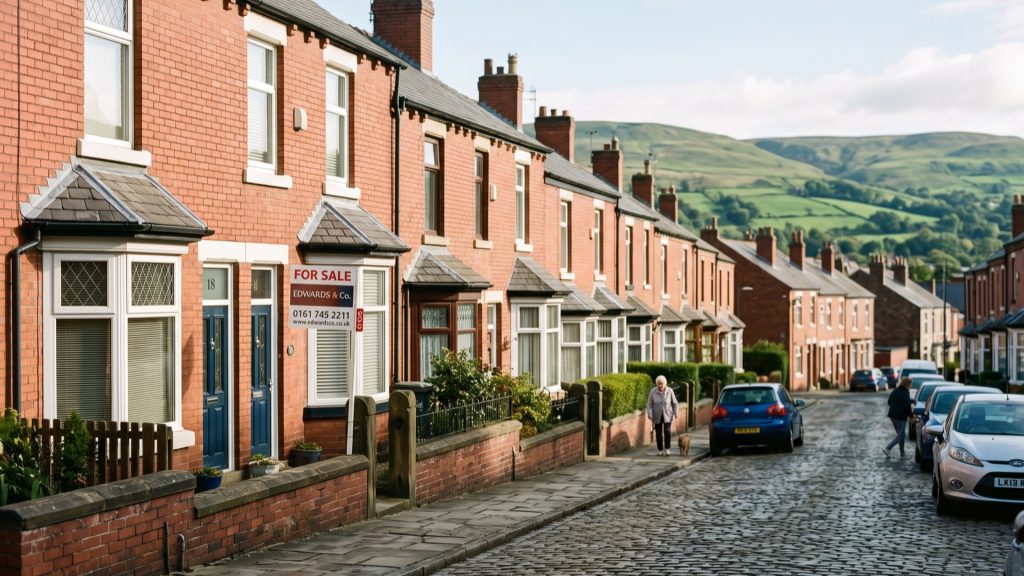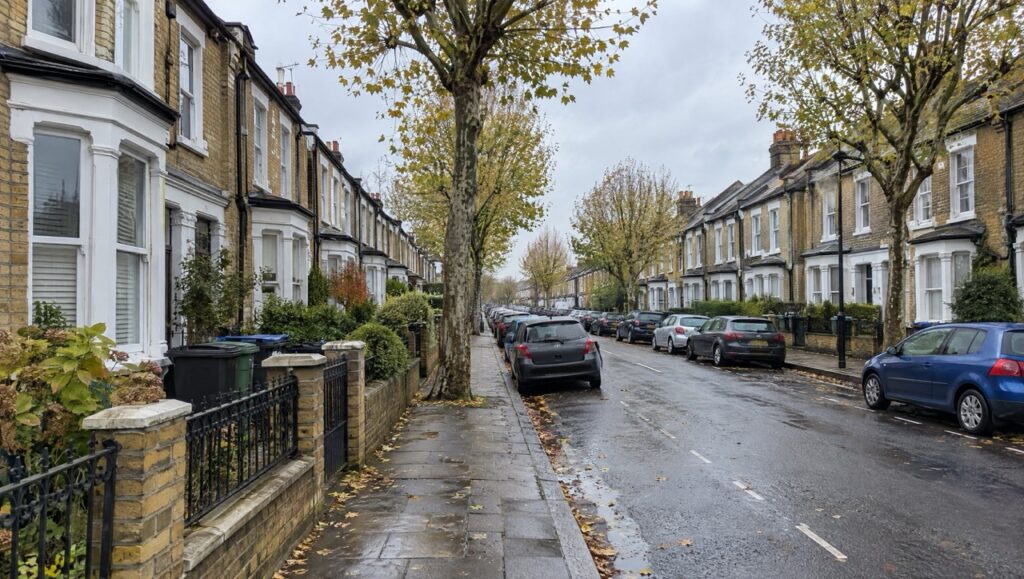
In today’s Budget, the Chancellor announced a £100 cash payment for around 20 million households in council tax bands A to D. The government says it will be paid straight into people’s bank accounts.
On the face of it, that sounds simple and well targeted. Lower bands, smaller homes, more help.
But there’s a quirk in how council tax works that most people have never heard of. And it means some of the homes getting this payment could be worth far more than you’d expect.
Your Council Tax Band Is Based On Prices From 1991
In England, every home’s council tax band is based on what it would have sold for on 1 April 1991.
Not today. Not 10 years ago. 1991.
The bands have never been updated since. So when you look up your band, you’re really looking at a snapshot of the housing market from more than 35 years ago.
Here’s how the bands were set out back then:
- Band A: up to £40,000
- Band B: £40,001 to £52,000
- Band C: £52,001 to £68,000
- Band D: £68,001 to £88,000
Anything above £88,000 in 1991 went into Band E or higher.


So What Is A Band D Home Worth Today?
House prices have changed a lot since 1991. And they haven’t changed evenly.
We looked at official Land Registry data on how average prices have grown in each region of England since the early 1990s. Then we used that growth to work out roughly what a home at the very top of Band D (£88,000 in 1991) might be worth now.
Here’s what we found:
- North East: around £364,000
- Yorkshire and the Humber: around £405,000
- East Midlands: around £465,000
- North West: around £474,000
- West Midlands: around £482,000
- England on average: around £495,000
- South West: around £496,000
- South East: around £519,000
- East of England: around £527,000
- London: around £606,000
In London, average prices have grown almost seven times over since 1991. In the North East, it’s closer to four times. That gap is why the same band can mean very different homes depending on where you live.
That Doesn't Mean Every Band D Home Is Worth This Much
It’s worth being really clear here.
These figures are for the very top of Band D. Plenty of Band D homes started near the bottom of the band, at around £68,000 in 1991. Uprated the same way, that’s roughly £383,000 on average across England, or around £468,000 in London.
They’re also based on average price growth for each region. Your street might have grown faster or slower than the average, so individual homes could be worth more or less.
And bands A to D cover most homes in England. So the bulk of this £100 will go to ordinary households in smaller and mid-sized homes, not mansions.
Why Use Council Tax Bands At All?
Because it’s quick.
Councils already know which band every home is in, and most already have bank details for people who pay by direct debit. That makes it one of the fastest ways to get money out to millions of people.
It’s not the first time either. The £150 energy rebate in 2022 also went to homes in bands A to D, using the same system.
The downside is that bands are a blunt way of judging who needs help most. A family renting a small flat and struggling with bills could, depending on the final rules, get the same as someone in a much more valuable London terrace. And because the bands haven’t been updated in decades, the gap between what the band says and what a home is really worth keeps growing.
Will You Get The £100?
We don’t have all the details yet. The government hasn’t confirmed:
- exactly when the money will be paid
- whether it applies across the UK or just in England (Scotland and Wales have their own banding systems)
- how people who don’t pay council tax by direct debit will receive it
When the 2022 rebate was paid, people who paid by direct debit got it automatically, while others had to apply through their council. Something similar could happen this time, but that hasn’t been confirmed.
Here's What You Can Do Right Now
Check your council tax band. You can do it for free on the GOV.UK website by entering your postcode. It only takes a minute.
While you’re there, it’s worth seeing whether your band looks right compared with similar homes on your street. If your neighbours with identical houses are in a lower band, you might be able to challenge yours. Just be aware that a review can also move a band up, so do your research first.
Watch Out For £100 Payment Scams
This is really important.
Every time a government payment is announced, fraudsters start sending fake texts and emails. They usually say you need to “claim” or “verify your bank details” to get the money.
Your council and the government will never text you asking for bank details. You won’t need to pay a fee to get the payment either.
If you get a message like that, don’t click the link. If you’re unsure, contact your council directly using the phone number on your council tax bill or its official website.
It's A Small Help In A Bigger Squeeze
£100 won’t change much on its own. Energy bills are forecast to rise again in January, council tax went up by almost 5% this year, and mortgage rates are back around 6%.
But for millions of households, it’s a little extra this winter. Just remember that the band on your bill might say more about 1991 than about your home today.
If you found this interesting, please share!
Disclaimer: Content on this page is for informational purposes and does not constitute financial advice. Always do your own research before making a financially related decision.