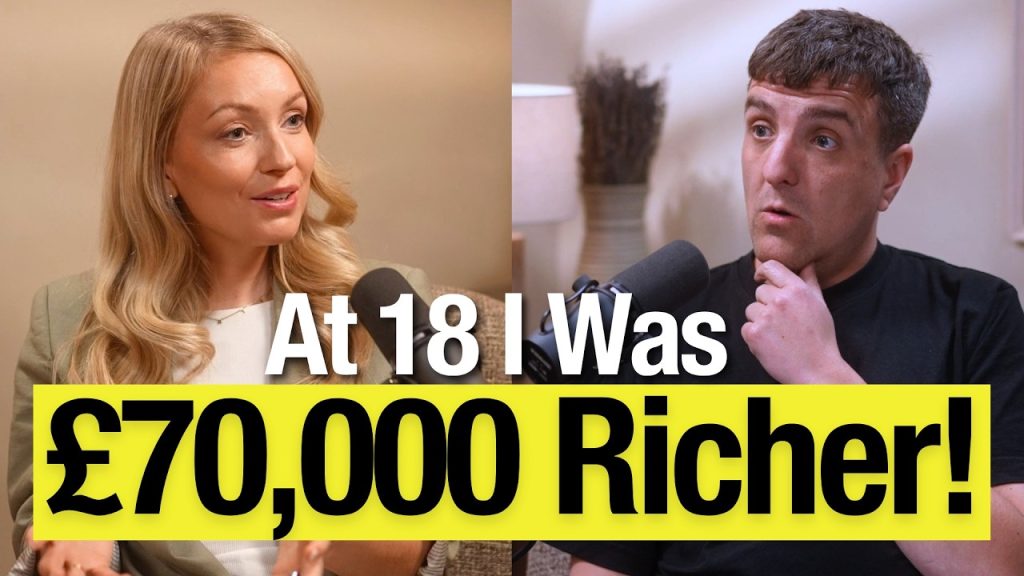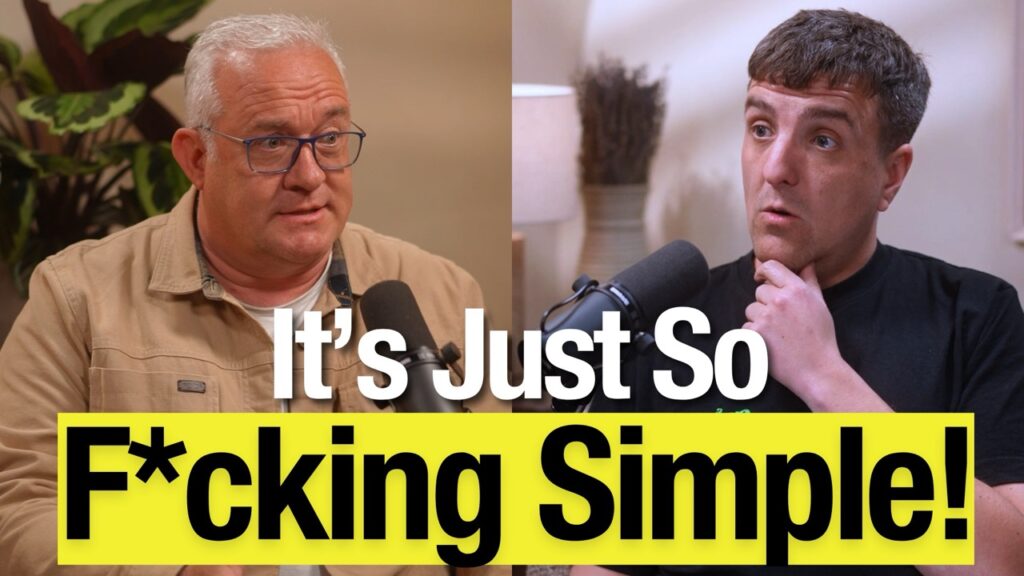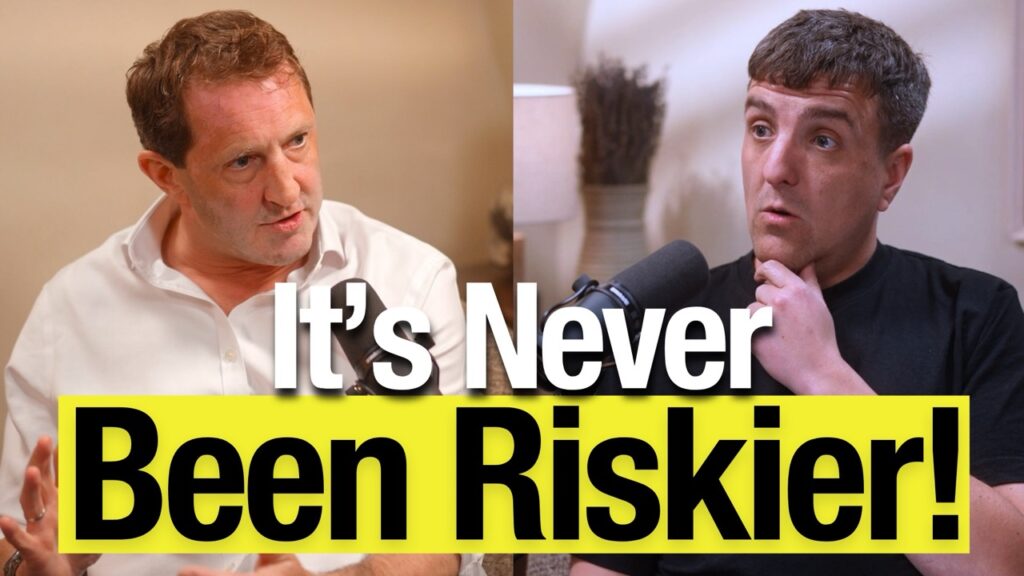
Noah Brierley was washing his neighbours’ cars for £15 a time at 15 years old, hit a million TikTok followers by 16, and turned content creation into a full-time business before he’d finished his A-levels. On this episode he explains why the hardest part of any side hustle is simply starting, and why school never taught him how.
Noah is only 19, but he’s already built a career most people spend decades chasing. He skipped university entirely, turned down job offers from recruiters, and now works with brands including Panasonic and Monday.com through the content business he started as a teenager.
What makes this conversation different is the starting point. Noah wasn’t taught any of this. He describes a school financial education session where an outside speaker told a room of teenagers to save pocket money in a piggy bank, while he was already earning around £500 a month from side hustles he’d worked out himself.
This episode is about that gap: how to actually get a side hustle off the ground when nobody is showing you how, what separates a side hustle from a proper business, and why the first step is almost always smaller and cheaper than people assume.
In this episode:
How content creation is a low cost, easy business model to start
How schools could help with personal finance, entrepreneurship and life lessons
How reselling on eBay is still a great side hustle
How to think out of the box when starting a new business
How to quit you 9 to 5 from a side hustle business
How to reinvest your profits to make even more cash
AND SO MUCH MORE!!!
———
Gains App is LIVE!
An AI-powered budgeting and cashback app designed to help you make more of your money.
Download here: https://gainsapp.onelink.me/8IhT/oiaimr1z
———
Get a FREE FRACTIONAL SHARE worth up £100 when you deposit £1 with Trading 212
https://www.trading212.com/join/MGP
If you don’t receive the free fractional share, head to the menu and put the word ‘MGP’ into the promo code section.
(Capital at risk when you invest)
———
DISCLAIMER:
This video is meant for educational purposes and should not be considered financial advice. When you invest your capital is at risk. Past performance is not a guarantee of future success.
Key takeaways
- The barrier to starting a side hustle is usually imagined, not real. Noah’s first business was washing cars for £15-£20 a time with no equipment beyond a bucket and a bike.
- Reselling still works. Charity shops, car boot sales and unwanted household items are a repeatable, low-cost way to build up cash.
- The “partnership method” turns other people’s clutter into income: list their items on eBay for a 50-50 split of the profit, no stock or upfront cost required.
- A side hustle and a side hustle business are different things, and knowing which one you’re running changes how you should treat it.
- Skip the logo, the website and the company registration until the money proves the idea is worth it. Start as a sole trader and formalise later.
Timestamps
- [1:40] Becoming a Financial Content Creator at 16
- [6:29] Why School Doesn’t Teach Entrepreneurship
- [11:36] The Piggy Bank Advice That Missed the Point
- [16:06] Starting a Side Hustle From Age 15
- [20:06] The eBay Reselling Partnership Method
- [22:22] Side Hustle Versus Side Hustle Business
- [23:56] Founder First: Skip the Logo and the Website
- [33:34] Budgeting for Fun Without Overspending
- [38:16] Junior ISAs and Investing Young
- [43:39] Building a Business Beyond Content Creation
Why most people never actually start
Noah’s honest answer for why so few young people start a side hustle isn’t lack of ideas, it’s fear of doing it “properly”. He told the podcast that a lot of young people get held back by the idea that you have to do a load of boring, fancy things before you get started with a business, like creating a logo, building a website, or registering a company. He skipped all of it. He picked up his phone, started making a couple of videos a day, and only sorted the admin out once the money started coming in.
That mindset runs through every side hustle he describes on the episode, from car washing at 15 to the eBay reselling business he still runs today. The businesses that actually got off the ground were the ones that started with almost nothing: a bucket, a bike, and a willingness to knock on a neighbour’s door. If you’re weighing up your own options, our round-up of side income ideas covers a wider spread of what’s realistic to start this week.
Pick a hustle you can start with what you already have
Noah’s first business at 15 was washing cars, earning £15 here, £20 there from neighbours after school. From there he moved into reselling: buying from charity shops and car boot sales, then listing the items on eBay for a profit. By the time a school “financial education” speaker was telling his class to save pocket money in a piggy bank, Noah was already making around £500 a month.
His advice for anyone starting from scratch is to pick something tied to what you’re already interested in. “It can be adapted to any sort of person,” he said of reselling, because when you’re passionate about what you’re working on, the results tend to come easier. His younger brother, still in Year 8, followed the same route and has already bought himself an iPad from reselling profits, making hundreds a month.
Noah is also clear that most of the side hustles he’s tried were never meant to be the end point. “A lot of the side hustles I’ve done along the way were stepping stones,” he said. “You make a couple hundred and then you move on to your next business, and then your next business.” Reselling is the one he still keeps going himself, calling it “a side quest” he can’t quite give up, even now that content creation pays the bills.
The partnership method for eBay reselling
One specific tactic Noah shared is worth pulling out on its own. Rather than sourcing stock yourself, you partner with people who already have unsold items sitting around their house. He described the pitch directly: “I will list all of your items for you, sort the posting, the package, the customer service, and in return, all I’m asking for is a 50-50 split of the profit after fees and postage.”
He tested this with a single free post on Nextdoor and local Facebook groups and had ten people reply asking him to come round. No stock, no upfront cost, and no paid advertising. It’s a good example of how a side hustle doesn’t need capital to start, it needs a willingness to ask.
The easiest side hustle to start if you're broke
Noah’s answer to “what if I have no money” is straightforward: start with something that costs nothing but time. Car washing needed a bucket and a bike. Reselling needed a trip to a charity shop or a car boot sale with whatever cash was already in his pocket, then relisting at a profit. Neither needed start-up capital, a loan, or savings to get going.
He’s equally blunt about why people stall before they’ve even tried. “I think what often happens with young people is we get scared and we don’t want to do things,” he said, describing how the fear of getting something wrong stops people looking into ideas at all, “because we think it’s all too much of a headache.” His advice is to treat the research as something you do alongside starting, not a box to tick before you’re allowed to begin.
He also pushes back on the idea that it takes money or connections to get moving. “It’s free to start,” he said. “There are so many tutorials online. Join a community, even, it’s great.” That combination, low cost and information that’s already out there, is what he thinks removes the “no money” excuse for most people who use it.
Side hustle or side hustle business? Know the difference
Noah drew a clear line between the two. “I think there’s a big difference between a side hustle and a side hustle business,” he said. A side hustle, in his framing, is something like reselling or paid survey work: it earns money quickly but isn’t really a business in itself. A side hustle business is when you take an idea to market with a product or service that could eventually replace your main income.
Knowing which one you’re running matters because it changes how seriously you should treat the admin, the reinvestment, and the long-term plan. Content creation started as a side hustle for Noah and only became his main business once it had proven itself over roughly two years.
Founder first: don't wait for permission to start
Noah credits the “founder first” approach, a phrase he picked up from Noah Kagan’s book Million Dollar Weekend, for how he thinks about getting going. His example: if you want to start a dog walking side hustle, you don’t build a website or buy branded kit first. “You just knock on doors to some people that you know have got dogs and ask them, do you need your dog walk? Like that’s a side hustle.”
The same logic applied to his own start in content creation and to his brother’s reselling business. Prove the idea works with the smallest possible version of it, then scale the parts that are working. “You can scale it from the side hustle to the business,” he said. “That’s the way that I see it.”
That’s also how he talks about avoiding wasted money on an idea that was never going to work. Rather than committing time or cash to a fully built-out version, he tests demand first, the way he did with the single free post that started his eBay partnership method, and only invests further once real people have said yes. If you’re testing whether a side income covers a specific gap, our emergency fund guide is a useful benchmark for how much of that extra income to set aside before spending any of it.
What to do with the profit once it lands
Once money starts coming in, Noah splits it automatically: a portion for spending, a portion to charity, a portion into savings and investments, and the rest towards living costs. He’s also candid that a junior ISA, if your parents set one up, is one of the simplest ways to get a head start on investing before you’re even earning your own money.
Working out what you can actually afford to put towards a side hustle, and what needs to stay in your day-to-day budget, is easier with the numbers in front of you. Our budgeting calculator and take-home pay calculator are useful starting points before you commit any spare cash to stock, listings fees, or reinvestment.
This transcript is auto-generated and lightly edited for readability, it may contain errors.
[0:00] Sammie Ellard-King: Hello and welcome back to the Money Gains Podcast. This week, my guest is Noah Brierley, who is an absolutely awesome finance content creator. Now, I didn’t know this before the podcast, but Noah is only 19 and he’s been absolutely smashing it. And it’s so interesting to hear it from the perspective of a younger person. He was killing it with side hustles from the age of 15, and we talk about that journey and how he started side hustles and how he believes he can help other people start side hustles, and we went right through it. Super interesting conversation hearing all about his journey, and I absolutely love this episode. So if you’re listening on Apple Podcasts or Spotify, hit that follow button. Don’t forget to show this episode to a friend that wants to learn about side hustles, and we are gonna get started on the Money Gains Podcast. But I’d love to know a little bit about your journey and how you actually became a financial con content. I can’t even get my words out today. Financial content creator. There we go.
[1:40] Noah Brierley: Yeah, okay. So I mean, I guess the first thing I say is like uh when I talk to different people about the fact that I’m a financial content creator, often it can it can people can react with surprise or shock or interest because I’m so young. Um when you look at the sort of ages of most financial influencers on Instagram or TikTok, they tend to be a bit older, but I’m a bit unique in the sense that I started this sort of journey creating content around finance when I was 16. I’m now 19, um, and it’s my full-time job. And what I like to say is look, I’m not an expert, and I’m and I’m definitely, you know, not the smartest at all. What I see my content creation journey as is a form of me learning things and then just sharing the lessons that I learned along the way. It’s almost the same sense of when I was in school or college, I would revise things, and in order to help me learn those things better, I would create presentations to the class or I would teach my friends, I would write down a bunch of uh what I’ve learned and make little um resources and give them out to people. And that’s basically what I do now, just with finance. So I read a bunch of books, I research, I have conversations like this one today, and then I take the little lessons that I learn and I put them out. And that’s what I’ve done essentially since the age of well, properly since the age of 16. But I got into this probably age 15, way back in the day.
[3:03] Sammie Ellard-King: I did not know that, dude. That’s wild. Like your content is like I don’t take this the wrong way, it’s very mature, like the way that you come across on camera. Like you, I would never have said that you were 19 at all. Like I would have said in my 20s, really, just from the way that you present yourself. Not how you look, dude. You don’t look old at all, I promise. But um I that’s really, really interesting. So you’ve gone straight out of school, you’ve not are you going to university or are you at university, or you’ve just gone straight into this full time? I I it’s an interesting one. I I am I went straight out of A levels, out of college, and did this full-time. I’m uh I’m not doing uni, I haven’t applied to any unis. This is this is I’m all in on content creation. Um, so I I’d say probably by mid-year 12. So when I was, I don’t even know how old I was, probably 16 going 17, it got to the point where um, you know, I’d hit a million followers on TikTok. Um, I was starting to get brand deals, starting to work with companies. I was essentially just be able to build my network at a crazy rate because I just had some explosive growth on TikTok and I was networking with all these people and companies, getting brand deals, doing brand partnerships, and it got to the point where it felt like I had a full-time job alongside college. Um, and I kind of always knew throughout college, you know what, I just want to dive into this even more when I when I leave college and when I finally got my A levels in the bag. So I I balanced those two for a while in college. Um, managed to somehow scrape three A’s at college. Um, because like I I could have gone to uni. I I’m I was always top in the top set, always getting good grades. I was head boy back in secondary school. Like my path, the the life that I was headed on before content creation and landing on this business was uni because both my parents went to Oxford and Cambridge, like the best uni’s in the UK. I’m their firstborn son. Obviously, they would have wanted me to go to uni as well. But um, I think once they saw the money I was making um through various methods and side hustles and mainly my business, um, they they realised you know what, you don’t have to go to uni straight away. You can always fall back on uni. And if you’ve got something good going for yourself, why don’t you just go straight into that? And I’m and I’m so happy I did that. And I’ll be honest, I live such a nice life now. I’ve got I love my lifestyle. Um, I have time freedom, location freedom, I can travel, um, and I just I do something that I I love. So I’m very, very grateful.
[5:39] Sammie Ellard-King: Oh man, we’re gonna get right into this because I I find this so interesting. So when you’re in school, you know you had an idea, you’ve got the business going already. Like the power of content creation right now, and I’ve been banging this drum for a while, and this is what we’re teaching in one of our programs at the moment is content creation and building a business out of yourself, and you’ve monetised yourself and your passions, which is so interesting that you decided not to go to university, which isn’t the pathway for everybody. Uh, I suppose my question really is around how you feel that this obviously translates well for you because you’ve gone out and done it, do it. But what what about the people that were in your year? Do you feel like there’s any kind of pathway to entrepreneurship from them? How’s the school system looking for that at the moment?
[6:29] Noah Brierley: Yeah, it’s it’s super interesting. Okay, I met up with an old college slash schoolmate uh last weekend, and um he’s he’s he wasn’t very good with his grades, he’ll admit that. Um but instead of going a very conventional route, so I think normally someone who wouldn’t get too good grades would end up maybe getting a job or something. He’s he’s taken a big leap and started a proper business, it’s a fulfillment and distribution center, and it’s crazy. And that’s the sort of thing that that school would never ever encourage any person who’s 18 and leaving to do because that’s a bold move to start something that risky. Started it with some friends of his, um, you know, proper taking on like a big sized business. Um, but he loves it and he’s so passionate about it. And the way he described it to me when I when I met him, I met him at the gym. Um he he was saying, you know, he’s so young and he’s never gonna get an opportunity like this in his life again to make to make these risks, to take these risks, to get into entrepreneurship because um he doesn’t have kids, he still lives at home, he has very little living costs, um, he’s able to work part-time at uh at the gym that we met at. He just works behind the reception desk. So he makes you know enough money to live by just working part-time, but then he works full-time on his business. And I just thought, you know what, that’s so cool. And the way he you know explained it to me made me realise he’s learning 10 times more than I’d say all of my other mates who’ve gone to uni are learning right now because one of my mates uh who who I’m not gonna name him, but he literally told me he’s he’s already finished uni this year, which is crazy. So it’s a short year, and uh he ends up just he’s on some sort of acting course, he just like plays games all day with his um with his group and you know goes out drinking in the evenings or whatever. So he just you know it it’s pretty much like a dossier or whatever. Um, but my friend, my friend who started this business, he’s learning so much. And the way he he described it was the sort of thing where it doesn’t matter if it goes well or if it doesn’t, because he’s learning so much and he’s throwing himself into it. Worse comes to worse, he can always take a different option, but he’s he’s getting into it. And I think, right, school just needs to tell more young people, because this was never an option for me and for anyone else. It was there was literally a form that our college gave us that that we had to fill in about what our next steps were once we left college, and it was like uni, apprenticeship, or full-time employment. You had to write in which one you were doing, right? Because they want stats, but there wasn’t an option for me, which was my own business. Yeah, yeah. It’s it’s like why do they not teach that? And I think logically, if you’re if you’re so keen on kids getting into tens of thousands in debt with uni, why are you against kids going out there, learning entrepreneurship, starting their own businesses, and like it doesn’t have to cost like my mates got in quite a lot of debt or whatever to start this business, but it doesn’t have to be like that. You can start very small, and that’s what I like to you know tell my followers. There are small and easy ways to start your business. But yeah, that’s my perspective on it. I think um schools need to add that in as an option because I don’t think nine to five jobs are bad, I don’t think apprenticeships are bad. I just think lots of people need to know all of the options to suit their skill sets because I’m my mate, he wasn’t good at school, but he’s so turned on now with business.
[9:58] Sammie Ellard-King: That’s so interesting to hear that. And you’re right, like content businesses, you need a smartphone. That’s it. Yeah, and you literally Companies House limited company, and that’s it. You’re away, and you can start putting out content, and in a matter of months, you could be earning quite good money if you if you get your editing skills up to speed, which is really, really interesting. And I was at an event last night, actually. Um, this will probably be next week by the time this comes out, but it was for the SME for Labour, um, How to Get Britain Saving. And one of the biggest things that was in there was about personal finance education in schools, which is is now in curriculum, but interestingly, only two in five schools actually realised that they need that it was supposed to be part of their curriculum. And even so, the teachers then delivering this uh aren’t trained themselves and don’t understand about mortgages and credit cards and investing and saving and uh you know all of the personal finance spectrum, really. And so, how are they supposed to deliver it to kids confidently? And we’ve got a real divide there. And equally, if we’ve got a struggling economy, isn’t creating new budding entrepreneurs, bringing in new business and innovation into the economy from a very young age, like when you’re 18, you’ve got no risk. A lot of you can stay at home and uh you know, and kind of use living at home and low costs to start the business and get it off the ground. And I just think there’s a real lack of pathway there. And I’m interested to know like, did you have any personal finance education at all in school? If so, like, was it any good or yeah?
[11:36] Noah Brierley: Did I have any personal finance education? Not really. There were there are occasionally tutor times where they would briefly talk about things, but usually it was down to whether your personal teacher was interested in it or not. So we would just get conversations from our tutor from his perspective, and his perspective was really what he told us was the best route for life was and and and money or whatever was this is what he told us he did is go to uni, use those years to just relax, chill. He just basically drank, he said, the whole time. Um, then he went out of uni. He said he got a sales job because he needed money because he wanted to get a mortgage. He worked really hard, got a sales job, and then became a teacher because that’s what he wanted to do. And the problem was he just gave us his story, and often what teachers will do is give us their stories and their perspectives, but they don’t have a wide enough scope of all the different options, okay? And I I personally um the the the main bit of my financial education from school was this outside company that came in and they were useless, I’m telling you, right? Because I asked them, and that and at that point I was making probably about £500 a month through my side hustles, um, as as maybe like a 15-year-old, I’d say. And I put up my hand and I asked, because they were talking about a little bit about making money as a young person and jobs and all of that. I put up my hand and said, What are some good ways or or or or or things that young people can do to make some income on the side? And this woman said, Uh, oh, just do some chores around the house and save up some money in a piggy bank. And and it that sounds like a really dumb response, but she literally said that. She said, Save up some money in a piggy bank, do chores for your parents. And I was like, What? Because that time, yeah, I had a car washing business that I was going around to my neighbors every day after school, washing their cars, earning £15 here, £20 there. Um, I was reselling on eBay, I was going to charity shops, car boot sales, buying things, and then increasing their value, putting them on eBay. Um, like I knew a bunch of ways to make money. I was like, what’s going on here? So not only do schools not teach us about things like mortgages, um, how to invest, how to budget. And I think the reason they don’t do that is because um, well, I found out a few times from my teachers, uh, they were just complaining how broke they were. One of my teachers, my maths teacher, was always saying, Oh man, either I’m literally an overdraft right now. Um, my drama teacher, I remember he was complaining, like, oh, I don’t earn enough money from this job or whatever. Um, so I don’t think they had a clue. But beyond that, they didn’t even like have any idea that that there are opportunities for young people right now to make money. Um, it it’s stupid. And what one extra thing I wanted to add on on top of what you said earlier, Sammie. With um you said you know, starting a content creation business, you just need a phone and you can go to company’s house and register that. Um, I would I would even take it a step further back and say a lot of young people get held back by the ideas that you have to do a load of boring, fancy things before you get started with business, like create a logo, create a website, register your company. But the way that I got started was I forgot all of that. I just picked up my phone, started making a couple of videos a day, and then once the money came in, I then sorted with the rest of that out. And I started off by becoming a sole trader. But I think what often happens with young people is we get scared and we don’t want to do things, we don’t want to look into investing because we think it’s all too much of a headache. And the truth is, I think you just need to run before you feel you’re ready and just give things a go, and then you’ll figure it out as you go along.
[16:06] Sammie Ellard-King: That’s such great advice. I say that all the time. Like, just get going. That’s the word that like getting started is the hardest bit. If you’ve like plan forever and you know have analysis paralysis, you actually end up never really doing it, and actually doing it and putting in the reps is often the hardest part, and you’re starting a side hustle or a business. So I truly believe that. That’s really, really interesting. So talk to me a little bit about your side hustle journey then, because this is really cool. You were 15, you were doing car washing, you were doing bits and bobs on the side, reselling. What’s some of the more successful ones that you feel like people could take away from this today and start implementing? Yeah, so I would I would definitely say um the any sort of reselling side hustle, if you if you seriously need to get your money up in a short period of time and you don’t have a lot of money to start with, do reselling because I think it’s such a great side hustle that can be adapted to any sort of person, right? It you can resell things to do with what you’re interested in, and that’s amazing because when you are passionate about what you’re working on, particularly with your side hustle, often the results come easier because you’re not you’re more naturally inclined to give it a go. Um, and just to show you how easy reselling is, my brother, who’s in year eight, I I taught him, I’ve been I’ve been teaching him a little bit about side hustles, how to do things, and um you know, taking after me, I want to pass him that knowledge down. He started a very profitable reselling business, and we’ve used some very interesting strategies that I’ve come up with, um, learning from my past reselling business so he can have even more success. He’s already been able to buy himself an iPad with the profits like like crazy. No other kid in his year would be able to afford an iPad. He’s making hundreds a month uh through his eBay reselling business. And um, one really good method that I will say on this podcast, in case anyone is listening and they want to find a great way to make money with eBay reselling, is what I call a partnership method. And this is something I wish I knew about earlier because when I was young, I would just go on to car boot sales and charity shops, and it works, but I think the partnership method is just such an easy method. And all that is is you find people in your area who have stuff sat around their house. Every person has this, so there are lots of clients potentially available, and you partner up with them and you say, I’m I’ve got experience selling on eBay, I know how to do it, I know how to distribute it or take photos, list things, get them sold. I am willing to partner with you. I will list all of your items for you, sort the posting, the package, the customer service, and in return, all I’m asking for is a 50-50 split of the profit after fees and postage. And you will be surprised how many people will say yes. I put out a post on the app Nextdoor, which is just a free community platform for for your local area, and some on Facebook market, uh no, just Facebook pages, local Facebook pages. And I had like from one post, and this is organic, no paid reach or whatever, I had 10 people text me from that post, all asking me to come round to their house. And um, this was more for my brother, I don’t need to do this, but all asking me and my brother to come round and uh and go and list all of their items on eBay and do the 50-50 split of profit. It’s like it’s crazy. That’s like free money that sat out there for anyone, and particularly I I like these these ways of doing things, these these quick side hustles, because yeah, it could turn into a big, big business, or it could just be that stepping stone. And a lot of the side hustles I’ve I’ve done along the way were stepping stones. So you you make a couple hundred and then you move on to your next business, and then your next business. Um, so for me, reselling, like I still do it today because I just I I I can’t I can’t ever stop. I just find I find it like a it’s like a side quest for me, reselling. It’s just it’s good fun. Some months I can do more than others. Um, but yeah, like I’ve still got after this podcast, I’ve got a few things that I need to ship out on eBay. I just think it’s brilliant.
[20:06] Sammie Ellard-King: That’s amazing. I mean, like that you could literally just do that right now. You like I Yeah, today sitting, I I started looking out the window and going, oh my god, there’s all these houses, and I can see some quite big houses down the road. I know that this guy has like a garage. When he opens his garage, it’s packed full of stuff. He didn’t use any of it. It’s like, well, like I imagine if I popped around there and said, Look, I’m in, you know, I’m in the eBay reselling business, I do this all the time, da da da da. Like he’d be like, unbelievable. Yeah, great. Like, like goes. It’s a no-brainer. Clear some space, right? That’s the big thing as well. People hoard stuff and they don’t necessarily think they they they were like, Oh, I’ll get round to selling it on gumtree or something one day, but they never do that. They never so yeah, that’s a lovely, lovely way. And also, what I so like this really resonates with me because I had a really good salary, I was deep in debt in my mid-20s, and I side hustled doing things like this. I did trainer reselling, so I’d buy retail trainers and then sell them on StockX, sometimes for up to like three, four times what retail price, depending on the trainer. So I love it. And reselling for me was how I got out of debt really quickly, like including my salary. I took me down from 24,000 to zero in 18 months just by utilising that strategy. And so, and then when I finished, I was like, right, well, I have no debt now, but I’m not gonna stop doing this because this works. Um, yeah, and I also love trainers, and it’s good fun, it’s really good fun, as you say. And then I then put all of that money into every bit of profit I put it into my stocks and shares ISA. So it’s like suddenly it’s now earning money on money, and then you’re then putting that money away. And that allowed me to then, as you say, it was a stepping stone. Then I learned about other businesses, I learned about SEO, I learned about blogging, and I started doing websites, and then I started selling websites to people, and it then becomes like a whole different ball game because you made that one flick of change in your mind, like I’m going outside of the box to earn money, and when we’re getting squeezed left, right, and centre at the moment, and a lot of people are like just basically being they’re working to live paycheck to paycheck, this can give you that little bench, like there’s that little bit extra on the side, and I that’s why I think side hustles are so powerful.
[22:22] Noah Brierley: They’re great, they’re great. I I think um they’re more needed now than ever because the economy can get a bit shaky, jobs aren’t really too secure, and if you if you just if you if you want to create that extra level of security and freedom, having a side hustle is the ultimate way way to do it. Um and and like like I said, it’s a great way to be able to invest. That extra money or quickly build up an emergency fund, start a side hustle and you never know what you could do. And it’s easier than you think. It’s free to start. Like there are so many tutorials online. Join a community, even it’s great. Yeah, I completely agree. And I think there’s a big difference between a side hustle and a side hustle business. I think they’re very like different things. For me, a side hustle is like perhaps a bit of chain of reselling here. And yes, it is a business technically, but it’s like very when you can do it, like a survey or you know, market research. These are great things you can make money with straight away, but then they’re not a business as such. And then a side hustle business is where you might actually physically start with an idea that you take to market with a product or a service that you do outside of that, and then that might generate enough income to replace your nine to five, or you keep it as a five that 500 quid or a thousand pounds a month extra, which pays for your holidays and your investing and all of that type of thing. So I think there’s a very big difference there, and I sometimes get feel like the term side hustle gets banded around in the wrong way. What do you say to that?
[23:56] Noah Brierley: Yeah, I I agree. With with my situation, so content creation for me was always like a side hustle. It for the first maybe two years, it was something where I did it every day because I loved it. Um, so yeah, in that set, but but it made me just a little bit on the side. It would make I would, you know, pop a referral link here and there, and occasionally it would it would work out quite well, make quite a bit. Um, but eventually I would say that side hustle fell into by accident because I just worked very hard on it, becoming my main business. And now, like my main business, and I’m obviously I’ve got like a limited company and all of that now, and people working with me. Um, but but loads of things came from that. So now my main business is um I work with brands on like UGC videos and stuff like that. So I recently worked with like Panasonic creating content for their TikTok page, or um, I do ads or like physical in real life shoots, like I did one with Monday.com. So you never know where your side hustle could take you because you could start a trainer reselling business. But that if you really like love it, chances are it could end up being the sort of thing where you actually create a whole business around it, you create like a proper website, and then you maybe sell it on TikTok shop and you do live streams and you hire people, that could become a business, or it could just be a thing that you do on the side, but it doesn’t matter. And the the great thing is with a side hustle, you have that freedom and flexibility to to determine okay, if this is going well, this actually can then naturally transition into a business. Um, but I I always like the idea of just go, I’m a big advocate for the idea of founder first. So Noah Kagan in his new book Um Million Dollar Weekend had a whole chapter on this, and I thought it was yeah, it’s brilliant, isn’t it? Um, but if you can just approach things um without sort of like I said earlier, building a website, creating a logo, getting a domain, setting up a company, if you can just go out there and immediately offer your services or start your side hustle in the simplest way possible. So if you want to start a dog walking side hustle, instead of starting it like a business where you make a website and you get a proper t-shirt and a proper bag or whatever that you need for like a business for dog walking, you just knock on doors to some people that you know have got dogs and ask them, do you need your dog walk? Like that’s a side hustle. And then it starts from there. You can scale it from the side hustle to the business. That’s that’s the way that I see it. And you can do it different ways, but personally, like my world and how I see things, that’s the sort of route that I like to look at.
[26:36] Sammie Ellard-King: Well, interestingly, um, to follow on from that, Daniel Priestley has talks about this too in a lot of ways, where he talks about the validation of the idea. And if let’s say they use the dog walking example here, because that’s a fantastic example, you’re validating whether or not there is a need in your local area for that by then going and knocking on these doors, which then could then provide the platform for you to say, bring in a member of staff and then go out and do maybe some paid ads or some marketing or some organic content to essentially then bring in a further thing, and then suddenly you’re scaling it as a business, but you tested the ground first to see whether or not that idea was actually worthwhile. And I feel like that’s very important when you jump into these things because one in five ideas is crap. We all have them, even to this day, you know. Like I’m like, that’s a great idea. But if I jumped in and put 20 grand of my own money into it, suddenly I might have lost 20 grand. But if I’d have like kind of felt the market out a little bit and done some local testing, spoke to some people in the industry, worked out whether or not there was a need for it, perhaps it’s something that you run. And I love what you said there because I truly believed this in Up The Gains started as a side hustle. I was building it as a business. Yes, I had the the big goals for it, but I was doing it outside of working hours, which contributes it to being a side hustle business, and it then replaced my income. And and then the now the mission is to you know help as many people in Britain as possible. Excuse me. Excuse me, sorry. Um, but I would have never known that unless I’d have tested the the market, you know, and gone and sort of, is there a real need for this? Can I do it? Do I want to do it as well? That’s a big thing. Because it’s like you might get a year in down the road and go, This really isn’t for me, but I’ve invested so much money in it. Now I’m stuck in it like I was stuck in my job, which I really didn’t enjoy. So yeah, I feel like this is a really um really interesting conversation to have because you’ve you’ve done all of the things in a way which I feel like is is what I try to explain to people is the best way to do side hustles. Also, it’s so interesting to hear it from from another person as well.
[29:54] Noah Brierley: Exactly, yeah. You hit it spot on there. So I you get out on the street quite a lot and you talk to a lot of people, a lot, and I love your red flag and green flag content. Um I think it’s really super interesting when those kind of conversations come up and it’s like it’s eye-opening about what people do and don’t know. I suppose for you, what do you feel like is something interesting that you found out that you perhaps didn’t know before you start doing this? Oh, many things, many things. It’s it’s it’s fascinating hearing the public’s perspective, um, particularly like with attitudes towards investing and the idea of between there’s this conflict that people have. Um, it’s the idea of living in the moment and just spending your money. You get money, you spend it, and you just enjoy it, you make memories, you live life, you you go out with your friends, or you live way below your means and you invest all of that money and you you think about retirement. And I think a lot of the young people, particularly that I talk to, they were completely just on the live in the moment side of things. They just wanted to spend their money and just live in the present day. And that’s fine. But I I don’t think people realise that there could be a balance between the two. Um, because when I talk to people, they were very much like, oh man, investing is stupid, or you know, I’m I’m gonna worry invest about investing later. And and in my in my mindset, I’m thinking actually that there are different ways you can approach that because I think it is important to invest, um, and I think it’s easier than you realise. Um, because all I do, right, is I when now, like because I’ve financially educated myself, whenever I get paid a chunk of money into my bank account, that’s like my personal money, I automatically just put away a certain percentage of it. So a certain percentage of it I get to keep for my own personal spending to live in the moment, quote unquote. And then another certain percentage of it I give to charity, another certain percentage I put in my savings slash investments, and then the rest I put towards living costs. So you can actually just sort your money out in that way where it doesn’t actually feel like you are losing tons of money because it’s just an automatic process. So whenever I get that money, I automatically do those things. And I think particularly a lot of young people and the people that I talk to, they were very much of the idea of you know, you only live one life and money can always come back. And I do I do agree with that, and I do believe there are times, particularly as a young person, and I’ve done this where I have spent big on stuff like travelling and experiences. Um, but then on the flip side, I think it’s it’s pointless as a young person to spend money on designer or anything that’s materialistic because I think well, Jimmy Carr said it best on a podcast, but there’s nothing that you will buy in a shopping mall uh that you will actually want or care about in five years. But I think there are things you can buy now, like traveling experiences. So I went um around America for two weeks with my girlfriend. That was an experience, and I will never ever regret that purchase. For me, that was an investment, okay, because I just I loved it, it was brilliant. But I would definitely regret purchasing any sort of clothes. I’m I really don’t care about my clothes um or anything like that. And I would, if I spent £200 on trainers, I would, I would kick myself because I think I could have spent that on a really nice experience, gone somewhere. So yeah, that’s my mindset in a very broad way of thinking about it. That’s kind of my philosophy between living in the moment and um saving money for the future. I don’t know what you think though.
[33:34] Sammie Ellard-King: I agree, I agree. Uh in my budget, I have uh personal development um and then I have fun, and like so I believe investing back into myself with the money that comes into me. Because that Steve Jobs said it, you know, never stop learning. And I believe that’s a mantra for life from everyone. And that’s a mistake that I made when I left university. I thought I knew it all, and I kind of stagnated for a few years, and that was when I was doing the whole keeping up with the Joneses mentality and uh, you know, mates around me going to fancy parties and spending all this money on designer gear, and then suddenly I was like, I don’t really enjoy this or like my life like that. And so I changed the way that I I work, and since I’ve done that, I’ve forwarded myself, my business, and I feel a lot better as a person. But I do a hundred percent agree with you that we do have to live for now as well as think about the future. So proportionally, whatever that looks like for you, whether that you decide that’s 20%, 15%, 5%, whatever that looks like for you, then I believe having a fun aspect in your budget is hugely important because we’re if you shut yourself in a room for 20 years and then suddenly those 20 years are gone and you’re never gonna get those back. And yes, you might have only a good sitting there and be able to go out and draw yourself at that point, and fantastic, but you don’t know what’s gonna happen to you in that 20 years that you do that. You you might make one wrong decision and a bus hits you, and that’s you’ve what what happened then, um, and what a waste of a life at that point. I I personally believe that too, yeah.
[35:07] Noah Brierley: Yeah, that’s awesome. And like another thing that I also like to talk to my audience about is the idea of it doesn’t actually cost as much as you think to have fun and enjoy your life because often the things that bring you a deep sense of happiness um don’t cost much, but they do cost something, but usually that isn’t money, that’s either a sacrifice of your time or sacrifice of you staying at home and watching TikTok and doing something else. So, like yesterday, I felt really fulfilled and happy, and I barely spent any money. I’ll tell you what I did. I woke up, me, my girlfriend, and my friend brought two. We went hiking with two dogs. It was awesome. We went on a like a one and a half hour hike around the Surrey Hills, absolutely amazing. Did that cost me any money? A little bit of petrol money, that was it. Okay, so it was it was awesome. I had so much fun, it just cost me a bit of my time, okay? And then I went and visited uh someone from my church, uh, went to her garden with my girlfriend. We had some scones again. That barely cost me any money. It was really nice. I felt really fulfilled. Then I went home, did a bunch of work, deep work, felt fulfilled, felt happy. Um, and then in the evening, me and my girlfriend went and played some tennis at these free tennis courts that are just near our local park, just took some bats from home. Again, that was free, but I had a really fun day. So often it’s the things that you you like you can actually live on quite a small amount and enjoy your life because you just need to find the ways to actually find a deeper sense of fulfillment. Because I believe that, and you know, this is getting onto the money versus does it buy happiness debate. Um, to a certain level it does, but I think um you need to strip yourself of the idea of you need to have money to be happy, you just need to figure out how you can live comfortably with the money that you have and find happiness in various different ways. Um, so yeah, like you don’t have to spend too much. I try and live with as a humble amount compared to what I do earn, so I can reinvest and live below below my means. That way I’m set up financially for the future.
[37:15] Sammie Ellard-King: Oh, I love that. I absolutely love that. I mean, you’re totally right, and I do I agree with you. I believe money does buy happiness, but it it to a certain degree. But I it that a prince had a great, great quote. He said, Money doesn’t buy happiness, but it pays for the journey. And I just feel like that hit so hard. I’d say that’s good because if you’re if you’re if the j but then it’s about what journey are you taking with that, and how are you how are you then proportioning your money to allow you to live now and to live a more f fruitful life as you move through your later years and pass things down, generations, etc. And so actually one of your popular videos, and I wanted to ask you about this, was around junior ISAs, and it’s been coming up a lot. And I’m interested to know what you think of them, and equally as well, did your parents have anything like that for you? And uh yeah, yeah, how do you feel about it?
[38:16] Noah Brierley: They they did, but somehow it ended up being worth less than what the money that they put into it when I got it when I turned 18. Um interesting. Which is an interesting one. Um, but yeah, so a big video that I’ve done is about um, I think gosh, what what is the there’s a group of young people born between a certain year, and generally that’s sort of my year, who all got given a certain amount for free by the government. For some people it was way more, depending if they were sort of high or lower income people. Generally it’s around like 500 to 1,000. So most of my friends in my year all got at least a thousand from the government in some sort of junior ISA sort of thing. Um, but a lot of my friends and parents and stuff all had money that was regularly contributed into that, into that sort of amount. Um, but junior ISAs are cool because often you don’t even realise you have this money. There’s billions, billions in these accounts that haven’t been redeemed yet, which is crazy when you think about it because a lot of people just don’t realise it’s there. Um, but also like junior ISAs are just a cool way to start investing if you’re not 18. Um, so you can just do it with your parents or whatever. But because I have a lot of younger followers as well as sort of people in their 20s, um, what I recommend to them is just talk with your parents because if you want to start this investing journey, um, you know, the earlier you start because of compounding returns, the better. Um, but you, you know, I think you can put in something like 9k a year or whatever in a junior ISA, your parents can do that and and it will give you some good tax-free returns. Um, my parents did consistently put money in my ISA, um, but it didn’t. I think I think just the time that I turned 18 or whatever and could redeem it, the the economy or whatever stocks they’d invested into kind of took a plummet. So it was a bit of a weird one. But um, no, it’s cool and you you get it tax-free. So yeah, it’s it’s a good, it’s a good way to invest. And particularly if you’re a young person turned on and you want to get ahead, it’s a great way to do things. Um, a lot of people you will use the money for things like I’ve seen some of my friends use that money that they got from their ISA to go on holiday, others used it for uni, some used it for business. So there are different options that you can take. And some, I think my girlfriend just kept it there. And I I’d say that’s a good thing. Like, as long as you don’t forget about it, but in a weird way, you do forget about your investments and just leave them and then suddenly, you know, look at them years later, that’s probably the best way to go.
[40:41] Sammie Ellard-King: Oh, 100%. And they, as you say, there’s is there’s options once you’ve got that money. It like you can leave it and it can continue to compound, or you can add to it as it turns into an adult stocks and shares ISA at that point. And you can actually, by your the your age of 30, have a significant pot if your parents started from the day you were born, for example, or even if they didn’t if they started a few years in. And it’s that time frame of really that’s where compound interest really kicks into gear is like year 25 to 30, which is super interesting. Um, and or you can use it for other things, having choice at that moment. And I did a video about this recently as well, and one of the big things that came back was like, I don’t want to give my kids, you know, 20, 30 grand when they’re 18. And I just thought, well, why not? Like that at least then they have the ability to go and do something cool rather than not. Yeah. Um, and if they blow it, they blow it. But I feel like if you’re a good parent in that situation, you probably teach them the right way, or they’ll learn the hard way and like they will then regret it and hopefully make better decisions and you can teach them about that. But it’s having options at that point, which I feel like’s really, really super interesting.
[41:54] Noah Brierley: Um, yeah, what one of my friends actually um he he went straight out of school and instead of doing the entrepreneurship or the job or uni route, he’s been traveling for the year in Japan and obviously would have used some of that uh junior ISA money that he redeemed uh to do that, plus he worked a bunch part-time, and I think that’s awesome because a lot of people will say, get some get some life experience behind you. And if you do something like traveling in Japan, like he he’s learning Japanese, so it’s essentially almost like uni for him because he’s actually speaking with Japanese people, but um, he’s he you know he’s learning so much and gaining so many experiences, and that will serve him later in life. So, yeah, like you said, there are different options with all what you can do with that money, but I think for a lot of young people, traveling is wicked.
[42:40] Sammie Ellard-King: Yeah, I agree. It it makes you, you know, take a gap here, spend that money, enjoy it, go and learn life lessons that nobody can teach you behind sitting behind a computer desk or in a lecture room. It’s very, very different. And yeah, something which I did when I was young was went to the US, kind of similar to you, but I did a month just traveling around on my own Airbnb, and like it was just when Airbnb had just sort of started, and it was so much fun. Like, I and I met people and had life experiences and threw myself into situations that I never knew was possible, and it made me. I came back a different person, and yeah, we’re never gonna get those experiences. So I’d love to know a little bit about um just coming to the end of this now. I you know love what you’re doing. I think you’re making some massive, massive impact, and it’s been a real pleasure getting you on. But I’d love to know like what your plans are for growing the business and the message that you’re trying to get over, and yeah, where where you think you can take it over the next couple of years.
[43:39] Noah Brierley: Yeah, I mean, like so many other people my age, even though I’ve had relatively great success for a 19-year-old, I’m self-sufficient, I’ve got a great business, I do a lot of traveling for my work and everything. I still feel almost a little bit clueless in some ways about what I do because I still I still feel like my life is so early on, and like I I don’t even know what’s next at some points because I’m just like I’m kind of just seeing where this journey takes me. Um I guess I I you know if we look short term and stuff, I’m trying to um expand, expand my network with different companies and establish myself as a solid person within the short form content space um through various things like uh UGC content campaigns, um, working on different brands, social medias, particularly within the the fintech finance sector within the UK. So working with banks, working with um insurance companies, working with uh new investment platforms, that’s sort of the path that I’m headed down with my business. And I’m trying to do things like grow my network on LinkedIn. That’s where I’ve been going on uh big on lately, trying to trying to sort of promote myself on there. Um, so that’s sort of the the short-term goal of where I’m headed at the moment. Um, also building out my newsletter, so that’s a big thing that I’ve been working on. Um, because I sort of uh my life for the past couple years has just been college or GCSEs when I did them, um, alongside creating videos, and then all my money came in through uh brand deals and working with companies. Now I’m trying to actually create an actual business behind this, and that involves lead magnets and um sort of uh an email list. So I’ve I’ve been in the in the last few months, I’ve been growing my email list, managed to get it to 5,000 um subscribers. I’m trying to grow that bigger. I really enjoy releasing a newsletter each week. Um, it’s great fun to do. So that’s a big thing that I’m working on just consistently putting out my newsletter. I’ve done probably, I think. It I’m on a streak of 16 weeks in a row, but I know like with newsletters, I’m I’m just of the mindset I’ve just got to do a hundred before I you decide whether it’s good for me. I already love it, but I just want to keep on going and I just want to see that’s a long-term thing. Um, and then potentially beyond that, building out a product. So I’m um so I have a just a regular reliable source of income that I can sell through products. I know you’re really good with that with your Up The Gains stuff on your on your account. So perhaps in the future you’ll be able to to help me a little with with that side of things. Um and then I guess long, long term, it will it it’s probably gonna take some sort of form of taking a um a percent a percentage of a startup, you probably in the fintech space, working with them, um, because I know that’s where the the sort of generational wealth is built when you own a part of a company. And I think you know, I come on board, get some advisory shares, yeah, that’s what I want to do. Um, and I have got some options on the table. I’m not gonna say what they are. Um, two companies in particular that are a maybe, um, but again, I’m so young, so it’s all a bit it’s all a bit new to me. Um, I’ll hold my hands up and say, you know, I still feel lost a lot of the time. I’m just you know, you what you have to do in life is fake it till you make it, and that’s essentially what I’m trying to do. Um, so yeah, that’s that’s kind of me summed up for the future. Um but I’m open and I and I and I admit like my job didn’t even exist what four years ago. So in four years I’ll probably be doing something quite different, but hopefully I’ll continue that momentum. I mean, I am getting job offers. I got recruit like a recruiter email me last night because companies want to hire me for like roles like social media manager or you know content creation in companies. So I’m getting a lot of them, but I I don’t want to do jobs, so that’s definitely for the moment at least off the cards, unless there was serious money involved. But I love the freedom that I have. So going down the sort of nine to five route, even though I have had several sort of emails from people, for for now it’s it’s it’s it’s not it’s not worth it because I’m I’m young, I can take the risk and um continue that every day.
[48:00] Sammie Ellard-King: Well mate, you’re an absolute credit to your generation, and uh like there’s me talking like I’m super old, but like I’m old 30s. I mean, but you being 19. Oh Jesus, I just dropped my phone. Sorry about that. Um if you um I what I was trying to say, mate, is that I feel like you know you’re a credit to young people, and it just goes to show what you can do when you put your mind to this thing. Um, and so I wish you all the best, happy to help at any any occasion. So um, yeah, I just really look forward to seeing your journey because your perspective is so cool, so different, and uh yeah, credit to you, mate. Oh, bless you. It’s been it’s been awesome um hopping on the podcast, and I’m more than happy to come anytime. So, yeah, man, cheers for it.
[48:45] Sammie Ellard-King: No pleasure, man. Take care now. Speak soon.
Frequently asked questions
Washing cars for neighbours at 15 years old, charging around £15-£20 a time, alongside buying items from charity shops and car boot sales to resell on eBay.
It’s a way to resell without buying stock: you offer to list, package and handle customer service for someone else’s unwanted items, in exchange for a 50-50 split of the profit after fees and postage.
Not according to Noah. A side hustle earns extra money on the side, like reselling or paid surveys, without necessarily being a formal business. A side hustle business is when the idea is taken to market with a genuine product or service, with the potential to replace your main income.
No. Noah started as a sole trader and only formalised things once the money justified it. He recommends starting with the smallest, cheapest version of the idea first.
He started making short-form videos at 16 and hit a million TikTok followers within that first year. Content creation began as a side hustle before becoming his full-time business, now including brand partnerships, UGC campaigns and a growing newsletter. DISCLAIMER: This article is for educational purposes only and should not be considered financial advice. When you invest, your capital is at risk. Past performance is not a guarantee of future results. Views expressed by guests are their own and reflect their personal experience, not that of Up The Gains.
———