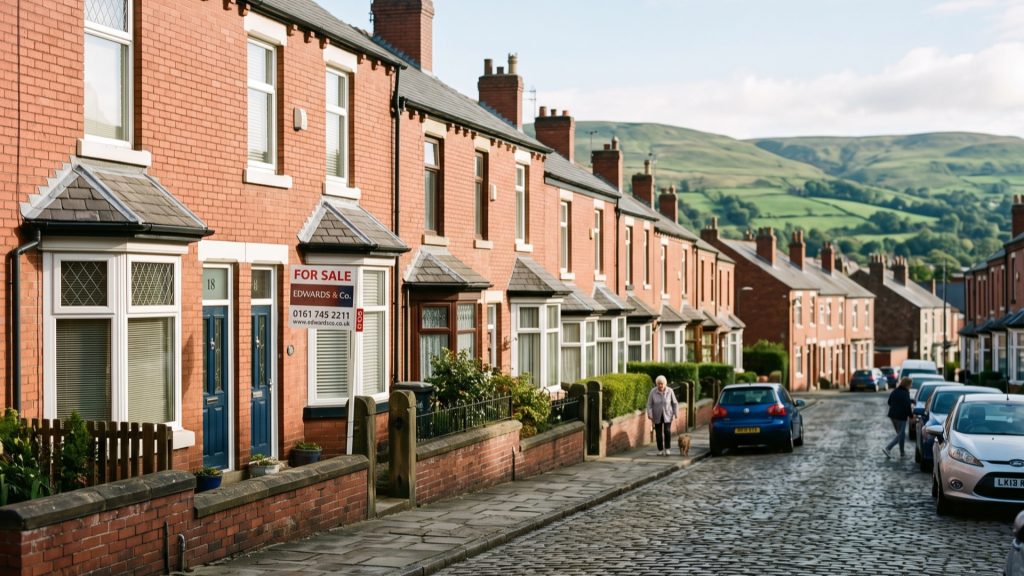
Burnley has been named the cheapest place to buy a house in the UK, with an average price of just £117,636. That is less than half the UK average of £268,132, according to HM Land Registry data pulled together by the HomeOwners Alliance.
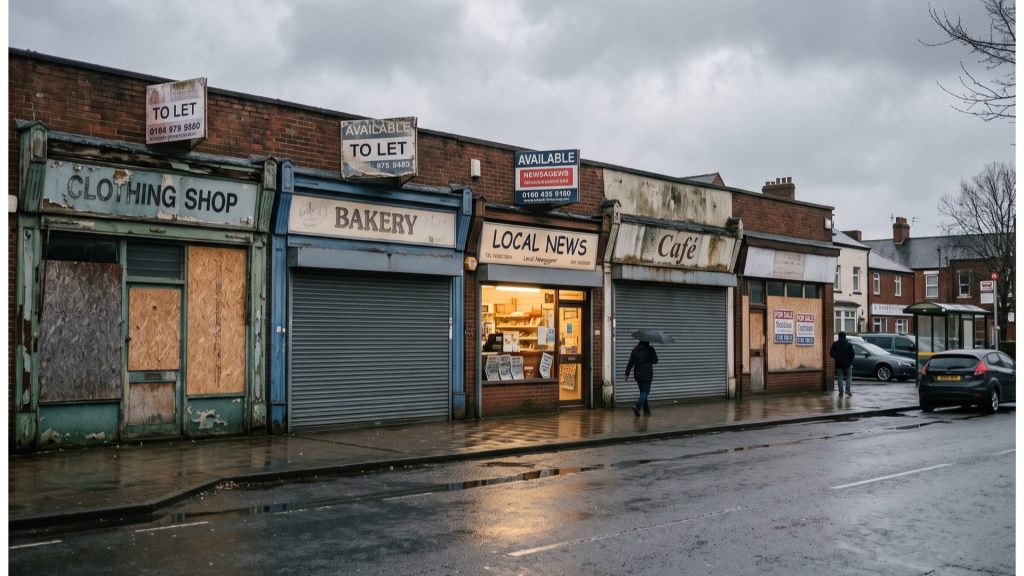
Burnley tops a list dominated by former industrial towns in the north of England and Scotland, where property prices have never caught up with the rest of the country. Nine of the next ten cheapest areas sit in a similar band, all still well under half the national average.
If you have been priced out of the housing ladder where you live, it is worth seeing exactly how far a deposit would stretch somewhere else, and what that means in real numbers rather than just a headline figure.
Which areas made the cheapest list?
The full top 10 cheapest local authorities for average house prices, based on HM Land Registry figures via the HomeOwners Alliance, are below.
| Rank | Local authority | Average house price |
|---|---|---|
| 1 | Burnley | £117,636 |
| 2 | East Ayrshire | £130,256 |
| 3 | Hyndburn | £131,159 |
| 4 | North Ayrshire | £133,108 |
| 5 | Inverclyde | £133,716 |
| 6 | Aberdeen | £137,686 |
| 7 | County Durham | £138,587 |
| 8 | Hartlepool | £138,696 |
| 9 | Blackpool | £139,085 |
| 10 | Blaenau Gwent | £140,633 |
Every single one of these local authorities sits at less than half the UK average. Lancashire and Ayrshire both place two areas each in the top five, and County Durham shows up twice on this list once you factor in the individual town below.
Aberdeen is the outlier, a city rather than a smaller town, still working through the fallout of a weaker North Sea oil sector on local house prices.



Is there anywhere in the UK even cheaper?
Burnley is the cheapest local authority area, but it is not the cheapest individual town. That title goes to Shildon in County Durham, where a Zoopla affordability study put the average price at around £73,900.
That figure moves with sales volumes and should be read as approximate rather than exact, but it is comfortably the lowest of any named UK town.
Shildon is not a one-off either. Nearby Horden averages around £65,000 and Ferryhill around £72,000, with Bishop Auckland close behind at roughly £78,000.
It is worth keeping the two measures separate: Burnley is the cheapest local authority area when you average across every sale in the district, while Shildon and its neighbours are cheapest when you look at individual towns on their own within a wider, generally affordable, County Durham.
What does a 10% deposit look like in Burnley versus the UK average?
This is the bit that actually matters if you are saving for a first home. A 10% deposit on Burnley’s average house price of £117,636 works out at roughly £11,764.
The same 10% deposit on the UK average price of £268,132 works out at roughly £26,813. That is a gap of over £15,000 on the deposit alone, before you even get to the size of the mortgage, or the monthly repayments, that would follow.
This is illustrative maths, not a suggestion that you should move to Burnley or anywhere else. Lenders will still assess affordability, income and credit history individually, and areas with lower average prices are not automatically the right choice for your job, family or life.
What the numbers do show is how much a deposit target can shift depending on where you are looking, which is worth factoring in if flexibility on location is on the table.
If you are building towards a deposit wherever you end up buying, setting a clear savings goal and tracking it consistently makes the number feel a lot less abstract than it does on day one. Even a smaller, cheaper-area deposit target is easier to hit when you can see the progress in front of you rather than guessing at it.
Why is the gap this big?
Places like Burnley, Hartlepool and Blackpool were built around industries, textiles, shipbuilding, coal, that largely disappeared decades ago.
Wages and demand never recovered in the way they did in commuter towns near London or the south east, so prices stayed low while the national average kept climbing.
It is the same story with the Ayrshire towns and County Durham: strong, often characterful housing stock, low local demand relative to supply, and a price gap with the rest of the UK that has never really closed.
None of that makes these areas worse places to live, and plenty of people move to them deliberately for exactly this reason. It does mean the maths of getting on the property ladder looks completely different depending on which part of the country you are looking at, which is the whole point of comparing the figures side by side rather than in isolation.
If you found this interesting, please share!
Disclaimer: Content on this page is for informational purposes and does not constitute financial advice. Always do your own research before making a financially related decision.