Listen to the pod


Money arguments are one of the biggest relationship killers, yet most of us wait months (or years) to have the conversation.
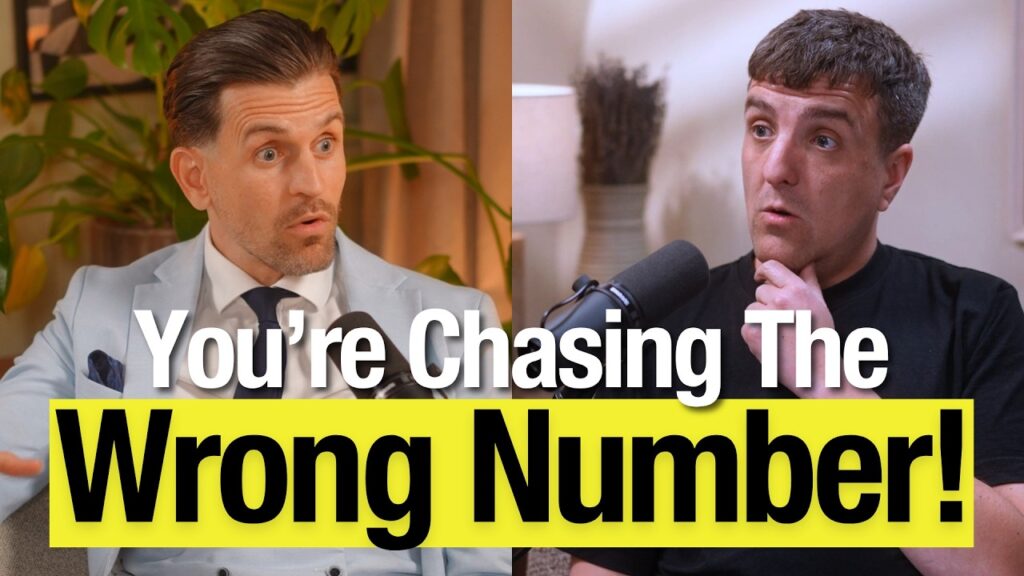
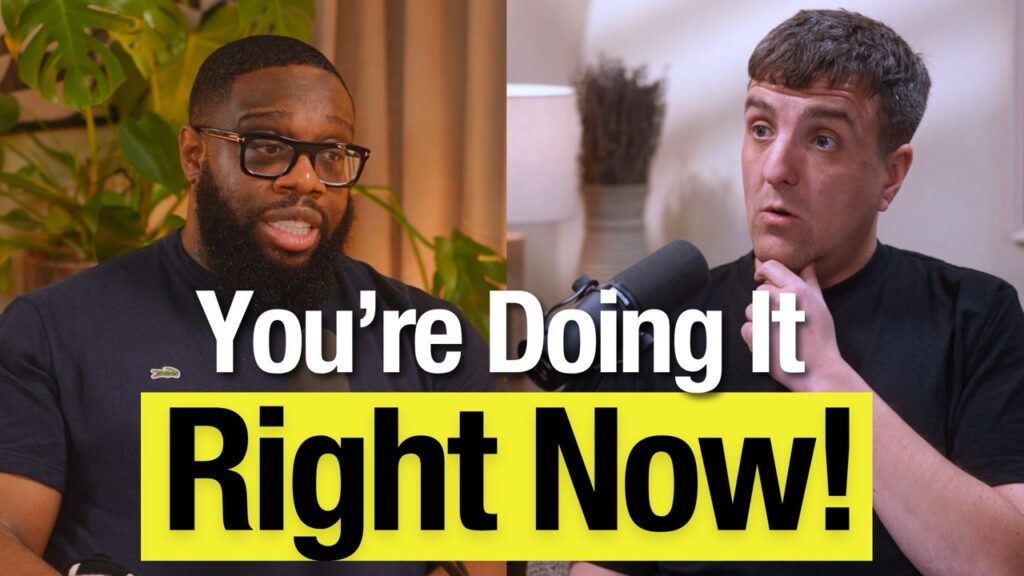
Dating and relationship coach Bekah Donovan joins the Money Gains Podcast to break down the real red, green and beige flags to watch for, how to talk about money without killing the mood, and why financial independence inside a relationship might be the most protective thing you ever do.
Money and relationships is one of those topics everyone avoids until it blows up in their face.
I’ve been there myself, hiding debt from partners, letting the credit card machine be the scariest part of a date, and only really sorting it out once I was honest with myself first.
That’s exactly why I wanted Bekah on the show.
She’s a dating and relationship coach who talks about money, values and compatibility in a way that’s playful rather than preachy, and she’s blunt about the stuff most of us are too polite to say out loud.
We go from first-date bill splitting to full-blown economic abuse, and everything in between: saver versus spender, joint accounts, money dates, and the lies we tell ourselves to avoid an uncomfortable conversation.
In this episode we welcome dating and relationship coach Bekah Donovan to the show.
We talked about the importance of financial independence while still working as a team, why early money conversations signal compatibility and how to establish healthy financial boundaries.
Bekah on Instagram https://www.instagram.com/itsbekahdonovan/
Humans In Training Poscast on Spotify https://open.spotify.com/show/2OaKZCoX2Y3vL45PLVm0Um
Why money conversations should start early in dating
How to approach financial discussions without creating tension
The importance of financial independence within relationships
The value of regular “money dates” to keep financial plans aligned
How childhood experiences shape our relationship with money
———
Gains App is LIVE!
An AI-powered budgeting and cashback app designed to help you make more of your money.
Download here: https://gainsapp.onelink.me/8IhT/oiaimr1z
———
Get a FREE FRACTIONAL SHARE worth up £100 when you deposit £1 with Trading 212
https://www.trading212.com/join/MGP
If you don’t receive the free fractional share, head to the menu and put the word ‘MGP’ into the promo code section.
(Capital at risk when you invest)
Key takeaways
- You can’t say the wrong thing to the right person: raising money early filters out people who aren’t compatible, not just financially, but on values.
- Debt or unemployment isn’t automatically a red flag. Bekah calls these “beige flags” until you understand the context and whether the person is doing something about it.
- How someone reacts to a bill, a joint account, or a shared goal tells you far more than a direct interrogation about salary ever will.
- Splitting household costs 50/50 isn’t automatically fair. Proportional splitting based on income is often the more honest approach.
- Financial independence, your own account, your own savings, your own investments, isn’t a lack of trust. It’s a safety net that protects both people.
Timestamps
- [00:47] Why Money Talk Belongs Early In Dating
- [03:37] Tool: The £10,000 Question To Spot A Saver Or Spender
- [11:15] First-Date Bill-Splitting Signals
- [17:29] Debt, Shame And Financial Honesty
- [23:32] Tool: Bekah’s Real Dating Red Flags
- [35:54] Economic Abuse: Building An Exit Plan
- [39:36] Tool: Proportional Bill-Splitting, Not 50/50
- [41:10] Tool: How To Run A Monthly Money Date
- [45:41] Financial Independence Inside A Joint Relationship
- [52:48] The Lies We Tell Ourselves In Relationships
Why financial red flags in relationships matter more than you think
Bekah’s starting point is simple: “if you are in the process of intentional dating, then you are trying to choose someone that you are going to spend the rest of your life with,” and finances are something you’ll have to deal with eventually.
Yet most of us treat money as too awkward, or too soon, to bring up.
Her advice is to stop trying to interrogate a date with numbers. It’s not about asking how much someone earns or whether they’ve ever been bankrupt. It’s about spotting signals of how someone thinks about money, risk and responsibility.
As she puts it, “you cannot say the wrong thing to the right person.” If open conversations about money scare someone off early, that’s useful information, not a failure.
Spotting red, green and beige flags without the interrogation
One of the most useful reframes in this episode is the idea of a “beige flag.” Debt, redundancy, or a rocky financial patch isn’t automatically a dealbreaker.
Bekah explains that context is everything: “they are like beige flags until proven green or red. It’s only when you understand the context of why that person is in that situation and what they’re gonna do about it that you can then decide.”
A better filter than a list of numbers is asking playful, values-based questions. “What would you do with £10,000?” tells you far more about whether someone is a saver or a spender than any direct money conversation could.
Bekah also likes asking about someone’s earliest memory of money, what they did with pocket money as a kid, because it reveals how they were conditioned long before the relationship existed.
If you’re not sure which camp you fall into yourself, the Money Personality Quiz is a good place to start before you even get to that conversation with someone else.
The same goes for heated moments further into a relationship. Bekah’s technique is to lead with “I’m feeling concerned” rather than “you’re making me feel angry,” because owning your own emotion disarms the situation rather than putting a partner on the defensive.
As she says, the reaction in the moment is rarely about the actual question, it’s usually rooted in something much older, often childhood conditioning around money.
What splitting the bill actually signals
The first-date bill has become a strange proxy war for values, and Bekah’s take is refreshingly low-stakes: offer to split, and if the other person offers to pay, let them.
Neither choice is inherently right. “It’s just giving me a signal of that person, of certain behaviours that person values,” she explains, whether that’s a sense of partnership, tradition, or generosity.
What matters more is what happens over time. Reciprocity, taking it in turns, offering to cover the next one, tends to signal a “we’re in this together” mindset, while rigid insistence on one way of doing things can be worth noticing early.
Getting honest about debt and money shame
Some of the most powerful moments in this episode come from lived experience. Talking about hiding debt earlier in his own dating life, Sammie admits to the fear of “putting the credit card out” and “having no idea whether it’s going to go through.”
Bekah’s response cuts straight to it: “that’s a perfect example of how dangerous it is to not be having these conversations… if you aren’t capable of telling the truth, how long does that go on for?”
If debt is the thing you’re avoiding talking about, in dating or in your own head, our guide on how to get out of debt is a practical place to start untangling it, separately from any relationship pressure.
Financial independence, economic abuse and building your own safety net
This is the part of the conversation that matters most.
Bekah is direct about the danger of one partner controlling all the money: “there are a lot of women… that are in relationships only because they believe that they cannot leave because of the financial situation.”
Sammie names it plainly as economic abuse, and it’s more common than most people realise.
Bekah’s advice for anyone in that situation: accept where you are, and start quietly building independence, even if that means squirrelling money away without telling a partner.
Having your own emergency fund is one of the simplest protective steps, and our piece on how much should be in your emergency fund is a good starting point regardless of your relationship situation. Building your own investments matters too.
If you’re new to it, investing for beginners in the UK covers the basics, and understanding the difference between a Cash ISA and a Stocks and Shares ISA is a sensible next step once you’re ready to grow that pot.
If anyone listening recognises themselves in this part of the conversation, support is out there, and reaching out to a friend, a helpline or an online community is a genuinely powerful first step.
Running a monthly money date that people actually enjoy
Rather than a stiff spreadsheet session, Bekah recommends framing money dates around shared goals: what would you do with an unlimited holiday budget, then rein it back to reality. Doing this monthly, rather than weekly, keeps it from becoming stressful for more anxious personalities.
Sammie and his partner use a similar approach, revisiting how much goes into the joint account as life changes.
Before your next money date, running a proper spending audit or plugging your numbers into a budgeting calculator gives you something concrete to talk about, rather than a vague sense that money “feels tight.”
On splitting shared costs, Bekah pushes back on automatic 50/50: “if one of you is earning significantly more than the other, but the person who is on a lesser salary is being expected to cover 50% of the cost, it’s just not fair.”
A proportional split, based on income rather than a flat number, tends to feel far more like teamwork.
The bigger point underneath all of this, in Bekah’s words, is that “it takes two people to create a dynamic, but it takes only one of you to break it.”
Whether you’re three dates in or thirty years into a marriage, the person who decides to have the honest conversation first is the one who changes the pattern. It’s uncomfortable, but as this episode makes clear, it’s far less costly than staying quiet.
This transcript is auto-generated and lightly edited for readability, it may contain errors.
[00:00] Sammie Ellard-King:
Welcome back to the Money Gains podcast. Have you ever had an argument with a loved one about money? Then this episode is for you. And joining us is dating and relationship coach Bekah Donovan. Welcome to the show. How are you? I’m very good. Thank you for having me. Thanks for coming down. Massively appreciate it. We’ve connected a few times on socials.
SPEAKER_03: Yes. Oh, how many times have we episoded together now?
SPEAKER_01: I know. I’ve been on yours. You’ve been on the Money Gains Podcast before. I have. That was a wicked episode. I loved it. If you do want to come back and listen to that at the end, guys, I’ll leave a link in the show notes below. But I want to jump in a little bit on dating, relationships, and money and that whole conversation because it’s kind of like a bit of a taboo subject that nobody wants to really address.
[00:47] Bekah Donovan:
It is, and it really, really shouldn’t be, because ultimately, if you are in the process of intentional dating, then you are trying to choose someone that you are going to spend the rest of your life with. And finances is something you’re going to have to deal with at some point. You’re either going to decide to keep them separate or you’re going to join them together. And if you want to find someone to go through life with, you’re going to have to deal with money. So I feel like having the conversation way earlier in the dating process is something I’m a huge advocate of.
SPEAKER_01: How can we do that? How can we like address this topic early without like because especially in the dating phase early, you’re kind of like still thinking, do they even like me? And then suddenly we’re talking about money.
SPEAKER_03: Yeah.
[01:32] Sammie Ellard-King:
And that can you’re potentially thinking, will that put them off me?
SPEAKER_03: Or Yes. But one of the key things that I have heard and will say time and time again is that you cannot say the wrong thing to the right person. If you are someone who values conversations, open conversations, open communication, particularly around money and other taboo subjects, then you should be able to start having those conversations early on in the dating process. Otherwise, that person is not for you. And I feel like a lot of the problems that we see in dating and in relationships in general is just shit communication, the inability to communicate in a way that is relaxed and can be playful and can be fun. It doesn’t all have to be, you know, how much do you earn? Have you ever been in debt? You don’t have to approach it in that way. And that’s probably not the best way to approach it. There are ways that you can go about it where you start to get these signals about somebody, whether they do have red flags around money or whether they are like green flags around money without having to get your pay slips out and talk about how much you’ve got invested and whether you’ve ever gone bankrupt.
[02:41] Sammie Ellard-King:
Do you think it’s important then like to sort of go earlier on before you go into the process to kind of know what you want before you get into it?
SPEAKER_03: Yes. I am a huge advocate of starting that process as early as possible, really, because you don’t want to waste time with somebody who is not financially compatible with you. Because if they’re not financially compatible with you, then they’re not values compatible with you. If that’s something that you feel is really important, which I feel like everybody should feel it’s very important because it is.
SPEAKER_01: Yeah. So how would you go even about like, is it is it like sort of saying, I’m after someone, you don’t think I want someone on 50k and plus? Do you you know, are you making a specific kind of like going, oh, they have to earn X? Or is it like they have to be ambitious or they have to be uh a saver or a spender? What what is it that you’re looking for?
[03:37] Bekah Donovan:
If you are someone who likes to create the kind of list that is very specific about the person that you are dating, so you want them to earn six figures, what does that mean? Why is that on your list? Because what you actually want to find out is what are the values that that person holds? Is it because they’re ambitious? Is it because they have a growth mindset that rather than a scarcity mindset? It’s the values behind the specifics that are the things that you want to find out about that person. It’s not about the six figures. It’s about what those six figures represent in that human being that you’re choosing to do life with.
SPEAKER_01: Yeah. And also just because you earn six figures doesn’t mean you’re any good with it.
SPEAKER_03: Exactly. Like some of the worst people with money are accountants or financial advisors. The amount of stories that I’ve seen. The amount of stories that I’ve heard of, you know, in relationships. And typically the man is the person who has just been given the role of sorting out all the finances. And it’s oh, it’s because they know about it, they know about numbers, they’re into data. Doesn’t mean they’re any good with it. And it doesn’t mean they’re any good with it in terms of how to run a household or how to be in a long-term relationship with money where your finances are combined.
[04:50] Sammie Ellard-King:
Yeah. So how so, for example, right, if let’s say I’m a saver, someone else is a spender in the household, how do we communicate around those things so it doesn’t become a problem?
SPEAKER_03: One of the most important things when you are starting to have these conversations around money in a relationship is figuring out which side of the spectrum that you are on. And one of the great ways that you can start having this sort of conversation early on in dating is ask them a question like, what would you, if you were given 10,000 pounds today, what would you do with it? Because then you would start to figure out whether that person is a saver, whether they are um they are someone who is a spender, what would they do with it? Would they go off and book a really fancy holiday, or would they want to just shove it in a savings account? And finding ways to have conversations where you are able to go into things with an open curiosity. If, for example, you are facing a conversation where you can feel that it is starting to get a little bit heated because one of you wants to do something pretty extravagant with your money, whereas the other one wants to save it. Go in and ask them what is going on for you when we’re having this conversation? What would you look like to do in this situation? What would you like to do with this money? If you were fully in control of this situation, what decisions would you make? And why is that the decision that you want to make? Because the way that we react in the moment when we are heightened emotionally isn’t actually what’s going on. What’s going on is much older than this conversation. It’s often much older than your actual relationship. More often than not, it’s something to do with your upbringing. It’s to do with the way that your parents were. It’s all of these ingrained scripts that have been in you for so long that has nothing to do with the question that you are currently being asked. And going into that with take a breath and go in with curiosity. And one thing that’s really helpful in those conversations is starting with a statement where you say, I’m feeling concerned, or I’m feeling angry. And you’re not saying, You’re making me feel angry, you’re pissing me off, because that is projecting something onto them that isn’t theirs. It’s it is about you. And that’s only gonna keep the cycle going, it’s only gonna keep the conversation heightened. Whereas if you own your emotion in that moment and say, I’m feeling angry about this, what I’d really love to know is why that’s the decision that you want to make. I’m really curious to understand. Because more often than not, those emotional reactions come from a place of confusion, not understanding, feeling scared, feeling sad, and just allowing the other person the opportunity to take a second and go, oh, um, actually, I don’t really know why. I don’t know why that is. So I’m gonna think about that.
[07:55] Sammie Ellard-King:
It’s like disarming the situation.
SPEAKER_03: It does disarm the situation. It’s very hard if someone is sat in front of you. I don’t know if you’ve ever had this experience, but if someone is sat in front of you and they sit there and they go, I’m feeling really uh sad about what you’ve just said.
SPEAKER_01: In what world are you gonna be like disappointed in you, isn’t it?
SPEAKER_03: Exactly. That is disarming for someone to sit there and go, I’m feeling sad. And actually, like I just try and want to understand what’s happening here because I’m feeling a little bit confused.
SPEAKER_01: Because your responsibility is to make them happy.
SPEAKER_03: Yeah.
unknown: Yeah.
SPEAKER_01: Immediately you’re like, oh no, what have I done?
SPEAKER_03: rather than it being like she’s after me. Exactly.
SPEAKER_01: Or he’s after me.
SPEAKER_03: Yeah. Vice versa.
SPEAKER_01: Yeah. Yeah. Oh, I really enjoyed that you said that because I think it’s like so true. Like it is about the first little steps. Do you think it differs? Because I feel like that really works for when you’re in a relationship. But what happens if you’re early stages? Is that conversation different?
[08:57] Bekah Donovan:
Because it’s still a little bit like Well, I mean, if you’re arguing about money in the on the third day, then that’s definitely not something that you should pursue any further. But there are playful ways to just start understanding more about that person. And one of the things is like, what’s your earliest memory of money? When you got spending money as a kid, what did you do with it?
SPEAKER_01: Oh, nice. Yeah.
SPEAKER_03: Because for me, I’ve got some core memories. Cause when you’re in that early dating phase as well, especially if it is someone that you are genuinely like vibing with, you feel like it could be going somewhere, all of those conversations about what your childhood was like and your family and all that kind of stuff, it naturally starts to happen anyway. So you there are pockets of time where you can start asking these questions that aren’t about money directly. They’re about values, they’re about the way that you see the world, they’re about what your environment was like as a kid, which gives you so much information before you start getting to that point of having serious conversations about money. So for me, it was I specifically remember my granddad saying to me that my money always burned a hole in my pocket. Because as soon as I got my spending money every single week, I’d just go to the shop and spend it.
[10:08] Sammie Ellard-King:
You did. Yeah. Yeah.
SPEAKER_03: Whereas my sister was an was a saver. She was, she was the one who she’d get her Easter eggs and Easter and they’d last her six months.
SPEAKER_01: Yeah.
SPEAKER_03: And we grew up in exactly the same environment. But both of those things were a completely different reaction to growing up in a household that was poor. As soon as I got money, I was like, oh my God, I don’t know when this is going to come back. So I would get rid of it. My sister would hoard it because she didn’t know when it was going to come again. And that doesn’t say anything about us as people other than we’re just wired differently. But it teaches, it shows you what the environment was like that I grew up in and how I respond to money because of that.
SPEAKER_01: Yeah. Yeah. That’s such a good point. So let’s just let’s go even further back to the beginning. First date. Yeah. You’re sitting down and you’re splitting the bill, you’re letting the man pay. What’s the best way to approach that situation?
[11:15] Bekah Donovan:
Okay. I personally feel, and this is just me, is that I would offer to split. If the other person that I’m on a date with offers to pay, I’m not going to say no. That tells me something, and it it doesn’t mean anything. It’s just giving me a signal of that person, of certain behaviours that that person values. That person values being able to pay for a date. And then maybe next time it’s like, well, I’m going to get this one. And you don’t let them pay because all you’re doing is giving each other signals of who you are. You don’t need to have a big conversation about it.
SPEAKER_01: Sign of respect in a way, isn’t it?
SPEAKER_03: I feel like it is as well. Yeah. It’s for me, it’s a value of we’re in this together. And it’s one of those early signals of we’re in this together. And I view you as my equal. I don’t need you to pay for me to do things because I don’t. And that’s just something that I hold as a value is I’m not looking for somebody who is a provider. I’m looking for somebody who’s going to build stuff with me. So I’m going to show up in a way that signals to that other person that that’s what I’m looking for. And it’s just little micro things that you can notice throughout the process.
[12:30] Sammie Ellard-King:
Yeah. Yeah. It’s interesting because like people say, you definitely should or you definitely should the other uh just let the guy pay you.
SPEAKER_03: Always be wary of anyone who says you 100% definitely should do anything, especially when it comes to dating advice.
SPEAKER_01: I think you just need to feel the situation out as well, right? Like as well. And like you kind of know. I think like that what you said there is a respectful way. And I I would 100% offer on the first date. If they insisted to split, I’d feel actually I’d feel like I’d done something wrong.
SPEAKER_03: Oh, interesting.
SPEAKER_01: I’d feel like that it didn’t go well.
SPEAKER_03: I’m curious to know why that is.
SPEAKER_01: I just think because if they insist back, it’s like they’re like, no, no, no, this wasn’t like Oh, okay. Do you know what I mean? Yeah. I think that’s how I would I that’s per personally how I would react in that situation. In my head, I might be completely wrong, but if they insist, if they’re like, Yeah, cool, no worries.
[14:10] Bekah Donovan:
So then would that impact whether you chose to see them again or whether you like um tried to see them again?
SPEAKER_01: No, I would just take that as a signal that they wouldn’t want to go again.
SPEAKER_03: Okay.
SPEAKER_01: Yeah.
SPEAKER_03: Yeah.
SPEAKER_01: Don’t know why. That’s my was my immediate emotion when I felt that.
SPEAKER_03: Which is very it’s interesting because obviously I’m coming at this from a female standpoint, and that’s my experience of it. So to have that perspective from the male standpoint is is good.
SPEAKER_01: Yeah. Yeah. Yeah, no, it’s interesting. And then I agree with you on the next date, like offering to pay back and actually going, Yeah, thanks, cool, that’s awesome. And then even if it becomes a like swapsies thing, yeah, and it’s cool, because I that’s what um, you know, I did with my partner earlier on, and it’s kind of cool. And then you just sort of forget. And then eventually you’ve got the joint account, and so just like it all comes out of the one card.
[15:03] Bekah Donovan:
But then, but even then, I found in relationships where you do have the joint account, it’s there is still sort of oftentimes a symbolic thing of I’m I’m gonna be the one to physically use the joint account to pay it.
SPEAKER_01: Oh, I always it’s always me. It is always me. It’s glad you said that.
SPEAKER_03: Mm-hmm.
SPEAKER_01: Yeah. We just like pay in the restaurant, she knows that it’s gonna be me. Because they do come to you.
SPEAKER_03: Yes, they do. It is a societal thing, yeah.
SPEAKER_01: It’s not like it’s uh, I think, you know, I think and also after a while it’s just kind of like, oh, he does it.
unknown: Yeah.
SPEAKER_01: It’s not even a thing. But it’s interesting you say.
SPEAKER_03: But for some people, it is a thing.
SPEAKER_01: Yeah.
SPEAKER_03: And for some people, going into that situation, that is gonna be their expectation. And the the other person not offering to do that means that that doesn’t, that person doesn’t align with the values and what they want. And it’s okay if that’s if that’s what you want, it’s just not the way that I do it.
[15:58] Sammie Ellard-King:
It’s interesting because like I had it very much ingrained, especially in my like earlier dating years, I sort of laxed that a touch. But like my granddad and my dad are the two types of guys that no one here is allowed to pay. I have I I’m paying. And so I sort of because it’s two strong blokes in your life, you sort of see that as the like, I don’t know, I sort of saw it at the time as like gentlemanly and almost chivalrous thing to do. You pay for everyone that you invited to lunch. Um, you might not have invited, and probably my nan invited everyone, but you know, my granddad always paid.
SPEAKER_03: Yeah.
SPEAKER_01: Um, and that just sort of instilled into me a touch. And I do think it’s kind of like, I don’t know, I’m sort of traditional in that way where I just sort of quite like it.
[16:44] Bekah Donovan:
Um but that’s the key thing, it’s that you like it. Because I think oftentimes we have these things that are instilled in us because of what we observed as children, it’s just what we grew up with. It was the environment that was around us, but we resent it and we don’t necessarily want to have to do that anymore, which is why these conversations are so important to have. And getting curious about what it was like and how you feel about it now. Because so often we don’t actually think about why we do what we’re doing. We’re just doing it all on autopilot. And it’s only when you do that pattern interrupt of going, oh, do I actually like doing this? No, not really. So, what I would really like to do is for us to share the load on this because I don’t like doing it anymore.
[17:29] Sammie Ellard-King:
Yeah. Like, as well, I remember doing it when I had absolutely no money and I’d still do it because it was like I felt like I sort of wasn’t, even though it was kind of like your dad or your granddad’s watching you almost, you know.
SPEAKER_03: The expectation.
SPEAKER_01: Yeah, yeah. So interesting.
SPEAKER_03: Was that stressful?
SPEAKER_01: Yeah, well, yeah, because like, you know, there was kind of back when I was like deep in debt. So you would be like putting the credit card out.
SPEAKER_02: Yeah.
SPEAKER_01: And also like sometimes I’m like the credit card and I have no idea whether it’s going to go through. And that would be I’d be absolutely shattered if that happened.
SPEAKER_03: And that’s a perfect example of how dangerous it is to not be having these conversations. Yeah. Because no one knows. If you’re not telling the truth about where you’re at financially, even if you feel shame, you feel guilt, you’ve got all these big emotions about it, if you aren’t capable of telling the truth, how long does that go on for?
[18:29] Sammie Ellard-King:
Yeah, yeah, yeah.
SPEAKER_03: And how much damage does that do over time if you can’t just sit down and have a conversation about where you’re at? And you can say, I don’t like where I’m at, but this is where I’m at. And that in itself is a huge signal of the type of person that you’re dating. Because if they’re able to sit there and say to you, look, I’ve made some terrible decisions, I’m not happy about it, and I and I want to do something about it. I need to be honest with you. Like that is an incredible green flag. And the thing is, Instagram and TikTok will tell you that people are in debt, people who don’t have a job, they’re red flags. You should move away from them, stay away from them at all cost. No, they are like beige flags until proven green or red. It’s only when you understand the context of why that person is in that situation and what they’re gonna do about it that you can then decide whether it’s a good thing or not.
[19:24] Sammie Ellard-King:
Really interesting. I’m no longer like with any of those partners that I was probably doing that with as well, probably because I wasn’t being honest with myself. Yeah. And like I guess, then all of a sudden, when I’m like, okay, I really need to just deal with this, yeah, and it just became a thing that actually I just like openly communicate it now. And that was like a weird switch. Um, and it’s changed everything. So it’s such an odd way. Like that was me back then, like hiding everything, hiding the debt, yeah, wanting to be seen, like you know, peacocking in almost.
SPEAKER_03: I’m curious to know, did that switch happen when you were single or when you were in a relationship? Single, yeah.
SPEAKER_01: Yeah, yeah, yeah, yeah. Yeah, aha moment. Yeah.
SPEAKER_03: And this is this is another thing, is like be on your own. If you’re doing crazy shit in a relationship with money in particular and other things, and you can’t be honest and you can’t have a conversation, be alone and figure it out. Because it’s not fair on the other person and it’s not fair on yourself to keep doing that. If you’ve not got the space to go and figure it out, give yourself a space.
[20:22] Sammie Ellard-King:
Yeah, I was thinking I was thinking for like three years at that point, and that was like when I fully went on my like redemption turn everything around, redemption arc or whatever you want to call it, like the kind of rebirthing myself, obviously in a way. Yeah. And then coming back stronger with an actual idea of like who I was and who I wanted to be and how I’m going to show up, meant I showed up so differently in that relationship, which I’m still into this day.
SPEAKER_03: Yeah.
SPEAKER_01: So it’s like, you know, big change happens to everyone, right?
SPEAKER_03: Yeah. Yeah.
SPEAKER_01: At some point.
SPEAKER_03: At some point. And you either turn it into something that means that you can then create the relationship that you want, or you just keep doing the same patterns over and over again. You never learn anything.
SPEAKER_01: And you blow up the relationship that you’re absolutely. Maybe you didn’t even want to.
[21:10] Bekah Donovan:
Yeah.
SPEAKER_01: So you see like midlife crisis and stuff from from blokes and and and and and women as well.
SPEAKER_03: Yeah.
SPEAKER_01: Where they’re like, they’ve been sort of hiding something underneath, and then it all comes bubbling to the surface and they can’t take it any longer.
SPEAKER_03: And this is one of the most one of the most dangerous things that I experience being in the dating and relationship space on the internet, knowing full well I have to create content that’s clickbaity and whatever to serve the algorithm overlords, is this what I feel is an extremely dangerous polarization of men and women within the dating space that I just feel is not helpful at all. Because there is this rhetoric around, you know, women being independent and not min needing a man and or making sure that you are only with a man who is absolutely obsessed with you and provides everything for you and you don’t have to do anything. And it’s just not taking into consideration the human beings behind this figure that is being created within the dating world. And one of the things that I see is that men are also being put in a position of unrealistic expectations around what they should be able to provide in a relationship. And it is stopping them from being able to tell the truth as well. They’re having to keep up the lie because the expectation is that they have to do that, otherwise, they cannot be in a relationship.
[22:44] Sammie Ellard-King:
Yeah.
SPEAKER_01: Such an interesting way of thinking because like it is, I suppose it kind of like creates the perfect man and the perfect woman, which doesn’t exist.
SPEAKER_03: It doesn’t exist, it’s not real. It’s not real. And it’s stopping people from having healthy relationships, it’s stopping people from getting past the third date because someone does something that someone on Instagram has told them is the wrong thing to do, and they will immediately bin that person. And it and there’s, you know, there’s there’s both sides to the coin of the fact that, you know, there’s all the stats that go around about, you know, you put your grandparents with together for 60 years and yeah, maybe they like hated each other a little bit, but they, you know, they kept going. But they also didn’t have the choice to choose a different partner. They didn’t have the choice to leave. It just wasn’t societally accepted.
[23:32] Sammie Ellard-King:
No.
SPEAKER_03: So there is the other side of like, yeah, okay, you can cut it off quite quickly with somebody who’s not aligned, but do you know how to find out whether they are or not?
SPEAKER_01: Yeah. How do you? What’s the red flags you’re looking out for like right now that you that would stop you?
SPEAKER_03: What’s yours? My my red flags are pessimism, okay, scarcity mindset, yeah, not taking responsibility for your shit.
SPEAKER_01: Okay, cool.
SPEAKER_03: If you are not able to have an open and honest conversation with me in those first three dates, you’re out. Even in the first date, I do have quite high standards. I’m not gonna lie. As you should though. But I also have kids.
SPEAKER_01: Yeah, everybody.
[24:17] Bekah Donovan:
So I I have two children. I spent nearly 10 years, and I don’t regret a second of that relationship. I spent nearly 10 years with somebody. I’m not wasting my time. Like, I’ve got shit to do. I’m a busy woman. But there are non-negotiables for me that I can figure out in the first date as to whether this is going to go anywhere or not. And a recent experience I actually had was I was on a date, on a first date with somebody, and I did look at them and just go, You’re quite pessimistic, aren’t you? And he said to me, He was like, Oh, it’s been quite a while since someone said that to my face. And I was like, mm-hmm. And and the conversation continued and it was totally fine. And we ended up seeing each other for three dates and then it disappeared. But how do you respond to me being direct with you about I’m observing that you are pessimistic in the way that you view the world? That doesn’t sit right with me. How do you respond to me calling you out on that?
[25:10] Sammie Ellard-King:
What’s an example of pess pessimism that for you know you would say in that situation? Like what are you looking out for?
SPEAKER_03: Because it’s like lightly pessimistic where it’s kind of funny, and then there’s like very yeah, and that’s where you need time because you do need to figure out whether this is chronic pessimism or it is just it’s just showing up because of the current situation that they’re in. So, for example, this person was currently hunting for a job. Again, not initially a red flag for me. It’s he’d been traveling for a year before and had only just come back, and he was finding it quite difficult. So I’m like, cool, that’s a beige flag at the moment. It’s just information, it’s data that I then need to understand what the story is behind this data. But a lot of the conversations would then be around, oh, I’ve applied for this job, but I don’t really want it. I’m gonna go and do this interview, but I don’t think I’m gonna get it. It was immediately saying something that they wanted and talking themselves out of it, or automatically assuming the worst trait away.
[26:12] Sammie Ellard-King:
Yeah.
SPEAKER_03: And that can just be a byproduct of where they’re at, or it can be the way that they view the world. And that only comes with time again as well. Or conditioning.
SPEAKER_01: Yeah.
SPEAKER_03: And there is nothing inherently wrong with any of those things. Does that person want to do something about that thing? If yes, great, maybe continue. If no, absolutely not.
SPEAKER_01: Yeah. Yeah. Because that’s gonna like breathe over into everything.
SPEAKER_03: Exactly. Because I am incredibly optimistic, slightly delusional, quite a lot of the time.
SPEAKER_01: It’s just the way that I you’re an entrepreneur who like we I’m neurodiverse.
SPEAKER_03: I’m an entrepreneur. Like I have to be, otherwise, nothing works. Yeah.
SPEAKER_01: But I’m really slightly unhinged as well. Like, we have to really, yeah, okay. I’m fully unhinged. Like, oh, I you you have to be.
[26:58] Bekah Donovan:
Otherwise, why would I go and do this?
SPEAKER_01: Exactly.
SPEAKER_03: Why would I get up every day, you know? Why would I keep dating in this economy? Like it is hell on earth.
unknown: Yeah.
SPEAKER_03: You’ve got to stay delusional. So I I am very, very optimistic, but I’m realistic as well. I’m not so crazy that you’re never gonna be able to have a rational conversation with me. I can ground things in reality when they did. But what I cannot deal with is me coming out with a crazy idea and someone immediately shooting it down. No, absolutely not. Because that just it is essentially over time going to condition you into a person that you are not. And I have had relationship experiences where I didn’t even realise that this was happening because it happens so slowly. It’s like the what’s the thing about the lobsters and the frog in the pot being boiled slowly? I can’t remember what the must be a northern thing.
[27:52] Sammie Ellard-King:
I’m sorry, Ada.
SPEAKER_03: I can’t remember what I won’t go back down that story. Um, go on, what is it?
SPEAKER_00: You put them if you put frogs in boiling water, they jump straight out. But if you put them in coloured water and slowly raise it, they boil to death.
[29:20] Bekah Donovan:
They boil to death. That’s it.
SPEAKER_01: I have no I have no idea what’s going on right now.
SPEAKER_03: So someone I can’t even remember what my point was to get to that story. Um yeah, so I’ve been in relationships in the past where I didn’t even realise how slowly I was dying, and I was essentially this person had a mould in their head of exactly what they wanted. And in the beginning of that relationship, I fit that mould for them because I’m a great shape shifter. But over time the mould started to change, and I was like trying to desperately fit this mould for this person, and just didn’t realise until I was out of it that I had died inside a little bit.
SPEAKER_01: It happens though. Yeah. Can happen like, and also it’s interesting because like, you know, the person I was six years ago when I first got my partner to the person I am now is my almost different. Yeah. And so I’ve changed a lot, and that’s gonna happen throughout the relationships. And either you change with them or you drift apart and you don’t have that. But often communication about the change and being aware of the change is the big deal, right?
[30:31] Bekah Donovan:
And it’s setting the precedent from day one.
SPEAKER_01: Yeah.
SPEAKER_03: If that is something that you are dead set that you want, which I feel like everybody should be, is that open communication, honesty, being able to be curious and actually just having real conversations about things. There is no reason why you can’t set that precedent from the first date.
SPEAKER_01: Yeah. It’s interesting you say that. Like, because yeah, initially we weren’t very open and like we didn’t communicate a lot about money. And then it was when I had the idea for Up The Gains, I wanted to initiate it. I was like, by the way, I’m thinking about going on this very long and arduous journey. It’s gonna probably mean things are up and down left and right, and I’m gonna be working long hours and uh blah blah blah, all this jazz. Like, I do you want to go with me? Yeah, kind of vibe.
[31:23] Bekah Donovan:
Yeah.
SPEAKER_01: And it was like, yeah, I’m in. Like, and also because I think she realised as well that like what I was doing at the time wasn’t making me happy, and that was probably having an effect on our relationships as well. But it was the communication about it which then set up the next few years, and then now we just talk very openly about everything.
SPEAKER_03: Yeah. Uh and it is that key, that response to here’s this thing that I’m setting out my cards on the table. What do you want to do with them? It’s not even necessarily placing the expectation on the other person of like, well, you have to do this for me. It’s like, here’s what I’m about. And often because you’ve been on your own and you’ve done that work of figuring out exactly what cards are on your table, here are my cards. Are you in? I want to see your cards too, so I can decide whether I’m in or not. And then knowing that from early on, it you’re building something together. You are creating an environment that allows for both of you to grow and change over time, but you are doing it together.
[32:20] Sammie Ellard-King:
Well, they say it’s like the most important choice you’ll make financially. Literally, yeah. Ever. Yeah. It’d be like you have to get it right. Yeah. And if you don’t get it right, you know, fair enough, you might be having a lovely time. But if there’s something bad that’s happening underneath there, yeah, like you’re it’s gonna end up really screwing you up financially.
SPEAKER_03: Exactly. And I mean, there are many, many a story about people not knowing what their partner is doing until it’s too late. Yeah. Or unfortunately, there are a lot of women and some women that I know personally that are in relationships only because they believe that they cannot leave because of the financial situation.
SPEAKER_01: Well, it’s economic abuse, isn’t it?
SPEAKER_03: Yeah.
SPEAKER_01: And that it’s only too rife. You know, it’s like taking out credit in the other partner’s name. There’s a wild amount of stories. We’ve had a few actually on our Ask Me a Money Questions episode with when we’re crazy. It’s nuts. The actual stats blow my mind. Yeah. And it’s happens more often than you would think. And it a lot often a lot of this doesn’t come out because it’s behind those closed doors until that person leaves that relationship and then they might tell their, you know, friendship group, etc.
[33:32] Bekah Donovan:
And they might never tell anyone.
SPEAKER_01: And they might never tell anyone. And think of how that’s manifesting in your life, right? So it’s crazy. But how if you if you’re perhaps listening to this and you are in that type of situation, is there anything that you would suggest that they start to do to kind of create perhaps some independence or some boundaries in that relationship?
SPEAKER_03: Yeah, I mean there’s the hard line approach to it of look, if that is the type of relationship you are in, you feel like that might be the type of relationship you are in. If it’s to the level where the other person is abusive, that person’s never going to change. Get the fuck out. And you don’t have to do that immediately because that might not be the safest thing to do. There are places that you can go. Yeah.
[34:19] Sammie Ellard-King:
It’s not kids and everything.
SPEAKER_03: Exactly. It’s complicated. I know it’s complicated, but you have to get out because this is your one and only life. And do not do that to yourself. It will, it could kill you. Like it could get make you so stressed that you get sick and you can’t do certain things. So you have to get out. Accepting that is sort of the first step. And then it might take you a while to build a plan and try and just squirrel money away. I know women who have done it, who have squirreled money away for a long time behind their partner’s back so that they can eventually leave. That could be your reality. And accepting that that is the situation that you’re in is oftentimes the most powerful step of going, okay, cool. I want out. I’m gonna do what I can to get out and find people that you can talk to about it. You may very well not have that within your immediate circle. You might not have it in your family, you might not have it with your friends, because quite often, people who are abusive in that way, no one else knows. No one else even suspects that that person has a bad bone in their body because they are so good. They’re charming. They’re very charming and everybody loves them, but you know the truth. So even if it has to be an online community somewhere, like even it has if even if it has to be go on Reddit. And like you will find online communities where you can start having conversations with people, you can start confiding in people, and you can start planning in the background, but whatever you do, you have to get out.
[35:54] Sammie Ellard-King:
Yeah, yeah, yeah, absolutely. And seek help from wherever you can. Seek help.
SPEAKER_03: Yeah, there is help out there.
SPEAKER_01: Absolutely. I want to say this conversation slightly differently on like the topic of uh joint finance as a touch, because I think it’s a really interesting conversation. Let’s say, for example, um I’m gonna twist this round. So the the the lady’s earning £50,000 and the guys on £40,000, for example. Do you feel or vice versa, actually, either way, it doesn’t matter, actually. It really doesn’t matter. So do you feel like in those types of situations it should be 50-50 or there should be different conversations when it comes to those like household bills?
SPEAKER_03: I feel like it is up to you as a couple to figure that out. But the fairest thing to do is figure out proportionally how you want to split it. Because if one of you is earning significantly more than the other, but the the person who is on a lesser salary is being expected to cover 50% of the cost, it’s just not fair because there are so many different factors that determine whether that person can earn a certain money on a certain amount of money or not. They might not want to for starters. They might be in a job that they really love, but that there is only a certain cap on how much money they can make with it. They might have had to take time out to raise children or take care of somebody. So expecting them to add on the financial stress and the burden of that is not fair. And I sort of would like to believe that anybody who genuinely loves their partner would not want them to feel stressed and would not want them to carry that burden. And if your instant reaction, if you are the person, for example, who’s listening to this and you are earning more money than your partner and you maybe have been splitting everything 50-50, and that gives you an instrument instant gut reaction as to, oh, well, no, I’m not, I’m not like I’m not gonna spend more money, explore what that why that’s coming up for you. What does that mean? Where’s that come from? Because I don’t think it’s about how you feel about your partner, it’s gonna be about something else.
[38:13] Sammie Ellard-King:
Yeah. I just see it like you’re a team. 100%, yeah. Like you’re a team. And if like, you know, there’s been times where, you know, especially at the start, like are the gains, you know, you you won’t earn in as much. I’ve yeah, I I I moved jobs in the early stage of the relationship as well. And like we it was an honest conversation mucked in. Yeah, and I would do the exact same thing.
SPEAKER_03: Exactly, that’s the point.
SPEAKER_01: If, for example, you had we had kids, yeah, I would 100% be in, like, because you’re a team, right? So like I feel like you have to have that kind of open field in a relationship, otherwise, you know, I I find I have friends who are like this and they’re part like and they earn 80-90 grand a year and their partner’s on 30 grand a year and they make them stick to 50-50. And I’m just I find it odd. But then the the the mad thing is is that you’re friends with them, but you know deep down that it’s wrong. You can’t say that to you, you just have a you know, because they’re fun when you have a beer with them, but you know deep down that they’re a little bit of a wrong one, you know what I mean? Yeah, and it’s like yeah, it’s you try and try and maybe open their eyes on that a little touch if you can, but also you you’re like, well, it’s also it’s not my household.
[39:36] Bekah Donovan:
No, ultimately, it’s not your circus, not your monkeys. Like it ultimately it’s not your responsibility what anybody else is doing. And and for me, it’s understanding where my influence line is of like I can have conversations with people, I can ask questions that might help them unlock something in their brain that they may not have seen in that way before. Whether they choose to do anything with that new information that they have is none of my business.
SPEAKER_01: Yeah. Yeah, totally. Yeah. I’ve done it where I’ve like flirted around the subject and said, Oh, like, this is what we do.
SPEAKER_03: That’s probably one of the best ways to do it. Exactly. Yeah. It’s not like, hang on a minute, why are you doing that? Yeah. Because that’s not going to get a good response.
[40:23] Sammie Ellard-King:
Well, we learnt that earlier, didn’t we?
SPEAKER_03: It’s, oh, this is my experience. This is the way that we do it.
SPEAKER_01: Exactly. Yeah, yeah, yeah.
SPEAKER_03: And it’s nothing to do with them.
SPEAKER_01: Yeah. Yeah. Yeah. And you that says a lot like, you know, that that’s probably not the person you’d phone up. Really feeling it at 3 a.m. when you do you know what I mean?
SPEAKER_03: Well, it’s like the thing with dating is like I am I am so selective about who I ask for advice from. If I do not want to be in your relationship, I ain’t asking you a single question about what I should do with mine.
SPEAKER_01: Yeah, interesting. Yeah. So, um, obviously, we’ve touched on joint finances and talking about it. Like, that’s key. What’s some of the things that people can do? Is it like a money date or is it like a is it do you think that’s a good idea?
[41:10] Bekah Donovan:
Yeah. I think a money date is a really good idea. And it obviously depends at what point you’re you’re at within the relationship. But it can even start with if the idea of a money date feels a little bit too overwhelming, it can even start with being very intentional about planning for something together and coming at it from a place of, okay, like blue sky. If we literally had the biggest budget in the world to go on this holiday, for example, what would you want to do? And then because that creates an energy around that conversation that is positive, it’s exciting, you’re working on this together, you’re dreaming a little bit crazy, being a bit delusional. And then you can rein it into what the reality is of where your budget is. All I would say is whether it is a money date, which is fun to be. Yeah.
[42:06] Sammie Ellard-King:
Right, okay. But it’s fun, it’s fun, right? But it’s fun. Yeah, yeah.
SPEAKER_03: And you’re learning about each other and you you are pushing each other to be more creative.
SPEAKER_02: Yeah.
SPEAKER_03: Because where else in our lives, since especially now that we’re adults, where else in our lives do we get to be sat with somebody and for someone to go, I think you can dream a little bit bigger than that?
SPEAKER_01: Oh, I love it when people do that.
SPEAKER_03: It’s so rare to have that. You can be that for your partner in a way that, like, just imagine, like, I don’t know, Dave works his corporate job nine to five, he’s a middle manager, he’s constantly being shit on by people, he’s facing red tape left, right, and center. And his only thing that he likes to look forward to is his two-week holiday once every year. And he doesn’t even get to dream about that. They just go to Benedorm. Like, let Dave be free. You can be the person who sits down and has that conversation with your partner where you know to India or something.
[43:05] Sammie Ellard-King:
Yeah, I know what you mean. Yeah.
SPEAKER_03: And even if it’s like you will learn something about your partner that you’ve never learned before. Maybe they do want to go to India and it’s like, well, do you know what? We do have to go to Benedorm again this year, Dave. But what we can do is we can plan for India in five years’ time.
SPEAKER_02: Yeah, yeah, yeah.
unknown: Yeah.
SPEAKER_03: You you are allowing the other person to feel seen, feel heard, feel valued, feel free in a way that they might not get anywhere else in their life.
SPEAKER_01: So you feel like having joint goals that you work towards is massive.
SPEAKER_03: Massive. Massive. Yeah. And I think having a money date is a really, really great idea. Cadence-wise, it would completely depend on the type of couple. And it would underst it would come from a place of understanding their attachment styles, for example. If they are someone who is a little bit more obsessive, a bit more anxious attachment, then I would say don’t do it every week because that’s just feeding the beast.
[44:06] Sammie Ellard-King:
I think once a week is extreme.
SPEAKER_03: It is extreme. Some people want to do it though.
SPEAKER_01: A week.
SPEAKER_03: But like once a month.
SPEAKER_01: Yeah, yeah, yeah. Once a month. Totally fine. We do it every month. Yeah. We have that conversation. It’s like we’ve recently changed how much money we contribute to the joint. We’ve added some things in there now that you know maybe one of us would have paid for, like, Drum just like completely changed it. And it’s just like those updated conversations because life happens, man. Things change, or you overspend one month on X, Y, and Z, or you know, the dog needs a injection or whatever that might well be. It comes out of nowhere, blows your budget out of the water. If you’re not communicating about that stuff, and then you get to the third week, you’re like, Oh, spent all the money in a joint account. Like, that’s not a great way of approaching relationships, is it? Is it like? Because you know, I can imagine that happens.
[44:56] Bekah Donovan:
And so it’s like well, it does happen.
SPEAKER_01: It does happen a lot. Because you’re like, you see it even on films and tele, like, oh, you know, Shirley spent all the money on the joint account again, and she’s been off, you know, you know, you see it happening, and vice versa. Like, you know, the guy goes out and to the pub and spunks all the cash. And then, you know, families on beans and toast for the rest of the week.
SPEAKER_03: Yeah, and it’s just so boring. Like, be more, be more caring, be more kind, be more creative about it, and make the money data non-negotiable.
unknown: Yeah.
SPEAKER_03: It it’s not something that you can be like, oh, we’re not gonna do it this month. No, you you you sort of have to.
SPEAKER_01: Yeah, yeah. Yeah, yeah. Cause it’s it it’s sort of a commitment. It’s almost like reaffirming your vows to each other in a way.
[45:41] Sammie Ellard-King:
Every month.
SPEAKER_01: Every month. Once a month. Stand at the all, please. Um the other thought side of this is having independence within the joint relationship.
SPEAKER_03: Yeah.
SPEAKER_01: As well, because it’s massively important for both sides. Would you include that same conversation within the money date as well, if you’re a couple, or again, does it depend on the type of relationship?
SPEAKER_03: It depends. Ideally, I mean, if I think about me having that conversation, ultimately the numbers in my bank account are sort of irrelevant. If there was something that I wanted to celebrate, like if I’d hit a personal milestone, for example, with like how much I had in my investment account, I’d I’d had this goal of having X amount in my investment account and I’d finally hit it, I would bring that to the table. Or if I was personally struggling with something, I’d bring that to the table as well and be like, can, you know, can you help me for this short period of time? But when it comes to just like things running as normal with my own independent money, the point of having independent money is that is that it’s yours. If you feel comfortable and you want to share that with your partner in that money date, then cool, fine. If you don’t want to, you don’t have to, it’s none of the business, it’s yours.
[46:59] Sammie Ellard-King:
Yeah.
SPEAKER_03: And having that is so key. I cannot emphasize that enough.
SPEAKER_01: Yeah.
SPEAKER_03: Because terrible things happen when you do not have that safety net.
SPEAKER_01: Yeah. Yeah, 100%. We hear it all the time, like um divorcee, etc. And you know, we speak to them and they’re like, he did everything and he ran everything, and I was left with nothing. Thank God there was no prenup or anything, and I managed to get some money out of the divorce because I would have been screwed. And they’re like learning and from scratch from day one. And I just and it happens a lot in in our DMs, you know, we get the messages about it, and it’s very eye-opening. But I also do some in a way sort of semi-understand that it’s happening. Yeah. Because of the way, you know, like, you know, your nan couldn’t go out and get a bank account, your mum in possibly couldn’t get a credit card. Yeah. And it’s only really our generation where that’s now open to both men and women. And so there is still a lot of like unconditioning the last two and a half thousand, five, even twenty thousand years of like man provider, women household, like that’s what it’s been like. And so you’ve got to then go and recondition yourself.
[48:17] Bekah Donovan:
Yeah. And if you are in that situation, because uh that’s not my experience, so I can only talk about it from a a perspective of, well, here’s how I would try and help you communicate better about it. But I also don’t understand what that feels like because I am of the generation that is, I’m financially independent. I always have been and I always will be, and that’s really important to me. So I can I can’t really understand it. But what I will say is, anyone who is in that situation is start having conversations about money. And the best way to approach it oftentimes is to, you know, sugarcoat it as if it’s something else. If you and your partner and you’re in your 50s and you’ve been together for 30 years and you’ve never had a conversation about what was money like when you were growing up, but surely it’s memory of money. What sort of conversations did your parents have about money? How did it feel in the house? That in itself could just start cracking the door open. You don’t go into it with a sledgehammer. Like it’s just not, it’s not gonna work. And not to stereotype, but men of that generation are way less likely to talk about anything openly like that than the women are.
[49:29] Sammie Ellard-King:
I wouldn’t get a tune out of any of my no, might out my dad a little bit, but definitely my granddad would have been like, no.
SPEAKER_03: And if you feel like one of the best things that you could do in this situation is just go in and saying, Look, I know that you’ve been handling it, but I’d really like to be a bit more involved.
SPEAKER_02: Yeah, yeah.
SPEAKER_03: Can you can you show me? Yeah, men love to teach. Can you show me how you do it?
SPEAKER_01: I feel seen again.
SPEAKER_03: Don’t like it’s it’s don’t be like, I want to take over this whole situation. Like understand who you’re working with.
SPEAKER_02: Yeah, yeah, yeah, yeah.
SPEAKER_03: And that there are things that are conditioned into us and biologically wired into us and understand who it is that you’re talking to. Can you show me? Can you show me what it is that you do? And you know what? Actually, I’ve been thinking, and what I would really like to do is just start putting X amount of money into my own little bank account. Start small because that, as we know, compounds over time. And it’s start small in conversation, start small in questions, start small in saving money to create that independence for yourself. You are never too old to start having that conversation because if you even are in your 50s, you might be around for another 50 years, you might be with this person for another 50 years.
[50:47] Sammie Ellard-King:
Totally, totally. Yeah. And it’s it is so important. Like we I have my own uh emergency fund, Charlotte has hers, and um she has her own investments, I have my own investments, we’re open and honest about it. I help her with those because you know, I sort of do it for a job. So, you know, it’d be weird if I didn’t. Um but other than that, it’s like, you know, if something happens, she’s gonna be sweet, vice versa. I’m gonna be sweet. So you never know, do you? And then I think that’s you’re not planning for the worst. And some people say, well, you shouldn’t do that because you’re then like planting the seed, and you just don’t know what could happen down the road. So why bother putting yourself in that situation when you can completely avoid it?
[51:37] Bekah Donovan:
And it’s reframing your belief system around why that thing is happening. It’s not a case of I’m protecting myself and you’re protecting yourself and that we’re keeping ourselves separate. It’s I’m protecting you, you’re protecting me. Yeah, we are protecting each other.
SPEAKER_01: Yeah. Yeah, because we have the joint stuff too. Yeah. There’s the joint savings, there’s the single, there’s uh individual savings. And I think in that’s the way it well, it doesn’t have to be that way at all, but it, you know, it’s certainly how I feel like it should be in a household. Um and you just come together on the things you need to come together on, and the stuff that you need to pay for, you pay for. And it, you know, if the other half really wants to do something and she can’t afford it, that’s a conversation to be had, and maybe you stand in and maybe you don’t, because you feel like you maybe you don’t think, you know, like it’s totally up to you. Like again, communication is the most important thing. So to kind of round this off, because we’ve like gone pretty across the entire spectrum dating relationships, is there anything that we’ve really not touched on, which you think is like super important to talk about when it comes to relationships and money at all? Or have we really covered it all?
[52:48] Bekah Donovan:
I feel like we’ve covered a lot of things. But what I what I will say is whether you are in a relationship or whether you are in the early stages of dating, understanding the lies that you are telling yourself and therefore telling your partner or the lies that you are going into dating with is so important because a lot of the time you just don’t know why these things keep happening to you, why you feel like you have to be the chill girl when you’re dating, when actually what you want to do is have a real open and honest conversation. Why is that happening? Why can you not tell the truth and show up fully as yourself? Is it because of something to do with you? Is it something to do with the other person? Is it the dynamic that’s been created over time? And there’s one thing that Esther Perel says, who is an incredible um psychotherapist, where she says, it’s two, it takes two people to create a dynamic, but it takes only one of you to break it. If you do not like what is happening, whether that’s in dating or in relationships, you might not feel like it’s fair for you to be the person to take responsibility to do something different. But your choice is you have this information now. You know you want to do something differently. So are you gonna be the one to break the cycle or are you gonna live in the suffering of continuing through this for the rest of your life? It might not feel fair, but tush it.
[54:20] Sammie Ellard-King:
You’ve nailed that. You nailed that, and I think it’s yeah, having that self-reflection is just paramount. Yeah, you just need to know yourself because I like I do I I don’t now I check myself. I’m like, no, no, no, no, no, what are you doing? Like you that’s not what you think. Yeah, you’re just you’re just sort of almost like you’re almost semi-on autopilot. Yeah, and you just do you just know it’s a lie, it’s easier to do the lie.
SPEAKER_03: It’s easier to do the lie, that’s exactly it. It’s more, it’s comfortably uncomfortable or uncomfortably comfortable. I don’t know. But the you are comfortable in the discomfort of continuing doing this thing that you say that you don’t want to do anything.
SPEAKER_01: Placing a flag.
SPEAKER_03: Yeah. And it is hard, it’s not easy, especially as someone who grew up, I grew up in a Mormon household. So add that into the mix with divorced parents, poor as shit, living on a council estate, constantly being told that I was I had to be quiet and wasn’t allowed to be myself by multiple different things. And now I’m out of a long-term relationship and I’m in the dating pool in 2025.
[55:23] Sammie Ellard-King:
And trying to show up that that is a conversation enough.
SPEAKER_03: Trying to show up as myself is incredibly challenging, but it’s also the most freeing thing in the whole world.
SPEAKER_02: Yeah, yeah, yeah.
SPEAKER_03: Because I know that I am never ever gonna be in a relationship again that kills my soul.
SPEAKER_01: Love that, and and good on you. Yeah, you should. Well, I hope you find the right man. My DMs are open. Yeah, at Bekah Donovan.
SPEAKER_03: Please don’t.
SPEAKER_01: Uh I’ve loved this. Um, thank you so much. Um, there’s like endless wisdom in there, and you know, it’s such an important topic. It’s such an important topic. It just sort of like goes by the wayside.
[56:13] Bekah Donovan:
Because we are so told that it’s like logical, it’s it’s rational to be talking about money, but it’s not, it’s emotional. And especially when there’s two of you building a life together around it, you’ve got to understand what’s going on under the hood.
SPEAKER_01: Yeah, absolutely. You know it. But thank you so much. Thank you. And um, where can we direct people to?
SPEAKER_03: Just the Instagram, I guess. Um at itsbekahdonovan on Instagram. I do also have a podcast which is called Humans in Training, um, intermittently posted.
SPEAKER_01: Nice. Yeah, um, we’ll link up to those in the show notes below. But honestly, thank you so much.
SPEAKER_03: Thank you.
Frequently asked questions
According to Bekah, the flags to watch for are less about specific numbers and more about behaviour: pessimism, a scarcity mindset, and an unwillingness to take responsibility.
Refusing to have an open, honest conversation about money within the first few dates is one of her personal non-negotiables.
No. Bekah describes debt or being between jobs as a “beige flag” rather than an automatic red flag. What matters is context: why the situation happened and whether the person is honest about it and actively working to change it.
Bekah suggests once a month rather than weekly for most couples, since more frequent check-ins can feed anxiety for some personality types. The key is consistency and treating it as non-negotiable, not the frequency itself.
Not necessarily. Bekah recommends splitting proportionally to income rather than evenly, particularly where one partner earns significantly more. A flat 50/50 split can quietly become unfair when incomes are unequal.
Bekah’s advice is to accept the situation for what it is, start building financial independence quietly if it isn’t safe to act immediately, and find people to talk to, even if that’s an online community rather than immediate family or friends. Getting out is the priority, even if it takes time to plan safely. This article is for educational purposes only and should not be considered financial advice. When you invest, your capital is at risk and past performance is not a guarantee of future results. This article may contain affiliate links; if you click through and make a purchase we may receive a small commission at no extra cost to you.
———