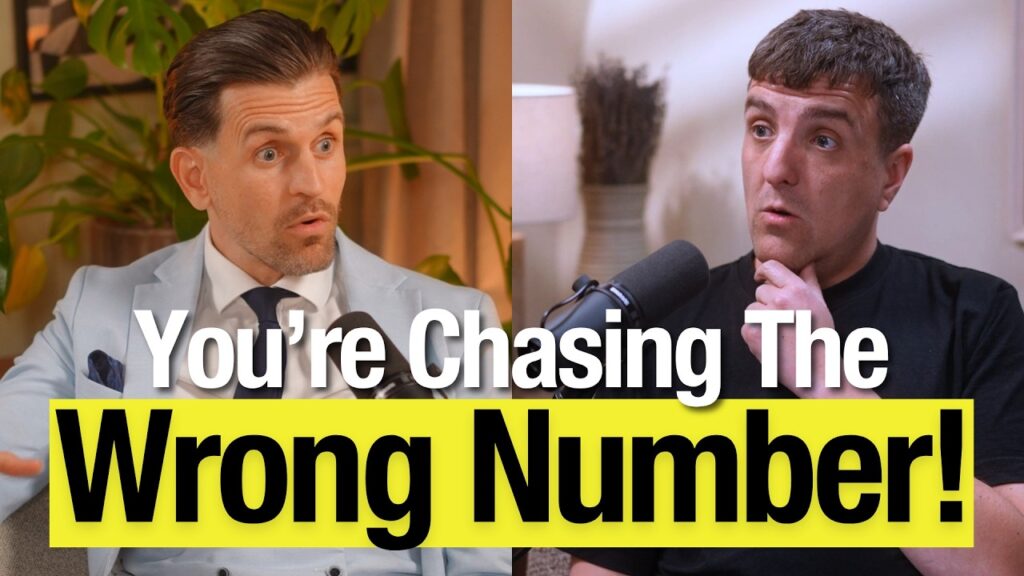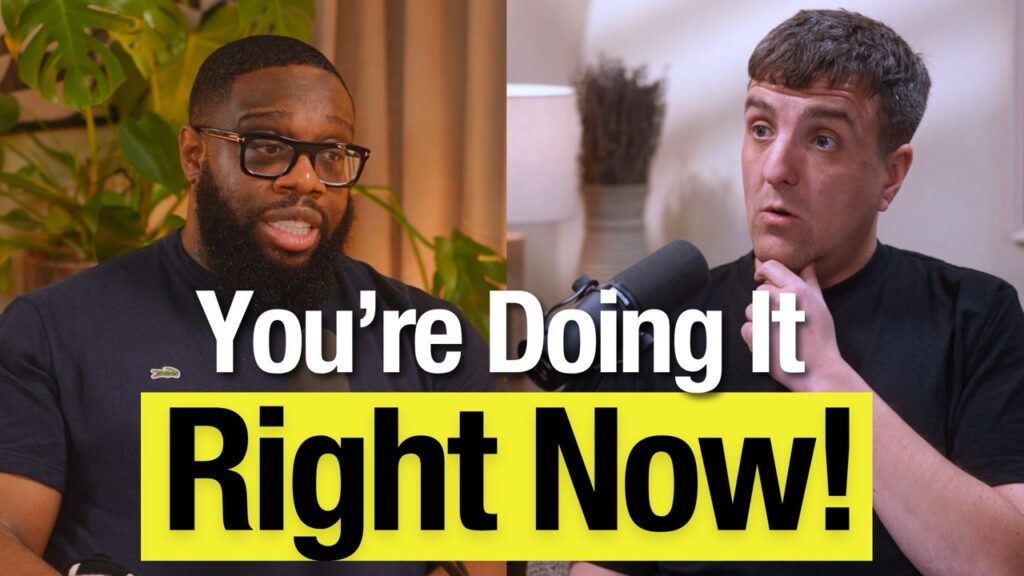

Jack Mangles built a £130,000-revenue Amazon FBA side hustle in 12 months, but he’s quick to point out that the mentorship behind it mattered more than the number.
On this episode of the Money Gains Podcast, the MentorME founder joins Sammie Ellard-King to unpack how to actually find a mentor, why 83% of the world’s top 100 companies run internal mentorship programmes, and how to spot the scam “gurus” flooding social media with unrealistic promises.
Everyone tells you to “find a mentor”. Almost nobody tells you how.
Jack Mangles has spent the last few years trying to fix that.
After growing his own Amazon FBA side hustle from a standing start to six figures in revenue with the help of a mentor, he built MentorME, a vetted marketplace for finding one, because he couldn’t find anything similar when he wanted to diversify.
In this episode, Jack and Sammie get into what a mentor actually does for you (hint: it’s rarely just the advice), how to vet one properly, and the red flags that separate a genuine mentor from someone selling you a dream.
———
Gains App is LIVE!
An AI-powered budgeting and cashback app designed to help you make more of your money.
Download here: https://gainsapp.onelink.me/8IhT/oiaimr1z
———
Get a FREE FRACTIONAL SHARE worth up £100 when you deposit £1 with Trading 212
https://www.trading212.com/join/MGP
If you don’t receive the free fractional share, head to the menu and put the word ‘MGP’ into the promo code section.
(Capital at risk when you invest)
Key takeaways
- A mentor should be someone whose life and values you’d actually want, not just someone who has hit a revenue number.
- Chemistry matters as much as credentials: Jack compares it to getting on with a teacher at school.
- 83% of the world’s top 100 companies run internal mentorship programmes, and Forbes found mentees with a mentor for a year or more were promoted five times more often.
- The biggest hidden benefit of mentorship is the network, not just the knowledge.
- Red flags to walk away from: paid signal groups, “unlimited” one-to-one calls, and anyone with no verifiable track record.
Timestamps
- [03:20] Jack Mangles Introduces MentorME
- [04:22] Why Finding A Mentor Is So Hard
- [05:18] How MentorME Vets And KYC-Checks Mentors
- [10:35] Why 83% Of Top Companies Run Mentorship Programmes
- [13:01] The Forbes Stat On Promotions And Mentorship
- [18:47] Jack’s Amazon FBA Story: £130k In 12 Months
- [23:54] Why Revenue Isn’t Profit (And Why That Matters For Mentors)
- [25:23] Calling Out Scam Gurus Online
- [31:03] The Biggest Red Flags: Signal Groups And Unlimited Calls
- [37:33] Time Blocking A Side Hustle Around A Full-Time Job
Why "find a mentor" is easier said than done
Sammie put it to Jack early on: everyone reads the same advice in every business book, find a mentor, but nobody explains the mechanics of actually doing it.
Jack’s answer is that the word “mentor” has drifted. It used to mean a wise, older figure. Now it’s tangled up with “coach”, and anyone with a following can call themselves one.
That’s exactly the gap MentorME tries to close. Jack described it as an Airbnb-style marketplace crossed with Checkatrade: mentors go through a vetting questionnaire, an interview, checks against Companies House records, and even KYC identity verification.
“We can say 100% of the time, this is the person that you’re buying from,” he told Sammie.
His advice for picking a mentor without a platform doing the vetting for you: look at how they actually live, not just what they’ve achieved.
If you wouldn’t want their lifestyle, values, or day-to-day, they’re probably not the right fit, however impressive their numbers look on social media.
MentorME also runs a free pairing call before any money changes hands.
Jack sits down with whoever comes through, works out whether they want an intimate one-to-one relationship or are happy learning in a group, then arranges a short chat with a prospective mentor to check the fit before anyone books.
He rates chemistry as highly as track record. “If you don’t have the chemistry with them, it doesn’t matter how good they are, you’re just not gonna get on,” he told Sammie, comparing it to getting on with a teacher at school.
The stats behind why mentorship works
Sammie brought two figures to the conversation that reframed the conversation. First, 83% of the top 100 companies in the world run an internal mentorship programme, and 100% of the top 50 do.
Second, a Forbes study found that mentees with a mentor for a year or more were promoted, on average, five times more often than those without one.
Jack’s take is that mentorship is a shortcut, not a replacement for effort. “Instead of just one person working on something, you’ve got two people working towards it,” he said, drawing on his own experience of pairing hundreds of people with mentors through MentorME.
The part people underestimate, according to Jack, is the network that comes with a good mentor. He’s seen mentees get introduced to suppliers and investors purely because the relationship worked.
If you’re weighing up ways to earn a side income, a mentor’s contacts can open doors that months of solo effort wouldn’t.
Jack pointed to Dragon’s Den as a real-world version of the same pull.
People chase Peter Jones or Steven Bartlett as much for the network as the money, he said, because “businesses aren’t there just for the money, they are there for the mentorship that you get from a dragon.”
Jack's own mentorship story: from dog paddling pools to £130k
Jack’s Amazon FBA journey started during the pandemic with an idea to import dog paddling pools.
He’d planned to buy a thousand units from Alibaba and sell them as his own listing, a private label approach that would likely have got him kicked off Amazon for competing on someone else’s registered brand, left holding dead stock.
A close family friend and fellow mentor talked him out of it before he lost the money: “no, no, no, no, no, don’t do that, don’t do that, because there’s so many things that you don’t realise.”
That friend brought him into an eight-week mentorship programme instead, where Jack learned Amazon wholesale, buying stock at trade price from a wholesaler and selling at retail, for example buying an item for a pound and selling it on Amazon for six.
Within 12 months he’d built the business to around £130,000 in revenue, on his account rather than a verified figure. He was careful to separate that headline number from what it actually meant financially.
“Revenue is vanity, profit is sanity,” he said. His profit was closer to 20% of that figure, and once he hit the VAT threshold, margins tightened further.
That distinction is why Jack refuses to let anyone with a handful of sales set themselves up as a paid mentor on MentorME.
He told Sammie about turning away people who’d made £5,000 and wanted to charge for mentorship: “You should not be charging people for your time… go and learn how you do it firstly before you start charging people outrageous rates.”
Once the Amazon business was established, Jack wanted to diversify but couldn’t find a similar live, structured mentorship for anything else on his radar, drop shipping and print on demand among them.
Platforms like Udemy offered courses, not mentorship. That gap in the market is what became MentorME.
Spotting scam "gurus" online
Jack’s exposing-gurus content grew out of a genuine problem he kept running into: people getting sold courses, “unlimited” mentorship, or trading signals that turned out to be worthless.
One case he shared involved a man from Switzerland who paid six grand for drop shipping mentorship and never once got a call.
His clearest rule: “If anybody is selling you a signal group, don’t work with them.” Most people who buy paid trading signals lose money, which is why MentorME won’t list anyone offering them, regardless of their track record elsewhere.
The same goes for “unlimited” one-to-one calls. “Nobody in their right mind has the capacity in their calendar to offer unlimited one-to-one session,” Jack said.
The example he kept coming back to was a man in Switzerland who paid six thousand pounds for drop shipping mentorship, on the promise of unlimited live calls.
He never had a single one, was handed a bare-bones store, and couldn’t get his money back even after Jack contacted the mentor directly on his behalf.
He also flagged how easily celebrity endorsement gets mistaken for credibility, pointing to the Ethereum Max coin promoted by Kim Kardashian around the Logan Paul-Mayweather fight, which he’d bought into himself before it crashed.
High followers, he said, don’t equal trustworthiness. If you’re researching where to put money to work more sensibly, running the numbers through a take-home pay calculator or a proper budgeting calculator is a far safer starting point than any guaranteed-returns pitch.
Building a side hustle around a full-time job
With a consulting job, an Amazon FBA business, and MentorME all running at once alongside a six-month-old at home, Jack leans heavily on time blocking, setting fixed slots in his day for specific tasks rather than working reactively.
He’s upfront that his current job pays the bills, so it stays the priority, with the side businesses fitted around it in the mornings, quieter afternoons, and some weekends.
His starting point for anyone considering a side hustle is to define a goal before doing anything else, the same opening question he asks on every MentorME strategy call.
Without one, he said, it’s impossible to know which route, whether that’s investing, e-commerce, or something else entirely, actually fits what you’re trying to achieve, or to pair someone with the right mentor.
He also points to the average two hours a day people spend scrolling social media as time better spent on an hour of product sourcing before bed.
This transcript is auto-generated and lightly edited for readability, it may contain errors.
[0:00] Sammie Ellard-King: Hello and welcome back to the Money Gains Podcast. This is your host, Sammie Ellard-King, and today my guest is Jack Mangles, founder of mentorme.io. And I absolutely love this conversation because we went deep into what is really bad out there at the moment. There is a lot of scammers trying to take people’s money, preaching that they’re gonna promise them the world, whether that’s trading, forex, even many different types of side hustles. And to be honest with you, you need to get your wits about you and understand what is a scam and actually what is legit. And Jack has done some wicked work on this, and he’s also built this platform where you can go on and find mentors in the industry that you want to go into and you can book them as well. So it’s like a marketplace like Airbnb for mentors. It’s wicked. Um, so I really love this chat with Jack. And yeah, if you’re listening on Spotify, please do whack that follow button. And if you’re uh listening on Apple Podcasts, drop us a review. It really does help the show grow. But for now, let’s get started on the Money Gains Podcast. So, Jack, welcome to the Money Gains Podcast, man. How’s it going? You well?
[1:27] Jack Mangles: Yes, I’m very well, thank you. Thank you so much for having me on. It’s uh it’s great to be here. Uh mate, I’ve been following your content now for a good few months. I started watching it when you were doing like the day-by-day entrepreneur thing, and I loved it. And I was like, oh, this is so raw, and it’s nice to see someone doing that and just being so open and honest about their journey because you know, we see all these flashy, like, I made six figures trading and I’m in Dubai and all of this rubbish. Yeah, I actually stopped stopped doing that because it got to a point. I I think I originally set out to try and do a hundred days consistently. I think I got to about 85, 90. I ended up having neurovirus, so I was really unwell, fell out of it, and then was like, oh crap, I can’t get back in. And then it also got to a point where I think people must have got fed up of just watching me sat at my desk for about a hundred days straight. Because when when you actually do something that’s raw and uncut, you’re actually showing everything that’s happening, and it was I’m sat at my desk like 12 hours a day. It’s it’s not the most entertaining. Of course, there’s a couple of things sprinkled in there that that’s interesting, but most of the time you sat at your desk working.
[2:32] Sammie Ellard-King: Yeah, you’re not like creating a masterpiece of art, even though you are you are in a way, but like it’s not the most visually appealing. Yeah, exactly. So I was every day I was trying to work out well, how how do I how do I what do I speak about to actually make it somewhat entertaining to try and uh keep it was it was a good thing to to do, and I’m glad I’d done it. I’ll probably do a little bit again in the future. I don’t think I’ll do it every single day. I think it’s it’s good to show some milestones of them when they come. But I think sat in my office as I am today, you know, it’s uh it’s not the most entertaining. Obviously, this is this would be a great episode. I can I could do some visuals on this, but um, most of the time my life isn’t as as entertaining as that. We’re just we’re just working. So if you wouldn’t mind bringing the audience a bit up to speed about you, the business, yeah, of course.
[3:20] Jack Mangles: So my name’s Jack Mangles. I am the founder of a company called MentorMe. We’re effectively protecting everybody wanting to start a side hassle. There is a ton of gurus and scammers online that have got either completely no experience or they are literally just running off of your money. So we’ve built like an Airbnb type platform mixed in with something like Checkatrade or TrustATrader, where we do some vetting and due diligence of mentors that effectively mean when you come to our marketplace, you get the full transparency. You know, you haven’t got to go through any long-winded sales process to find out what the price is, it’s all there on a listing, um, and then we we’ve sort of put that protection in place so you know who you’re buying from and you know that they’re trusted. Alongside that, I’m a part-time Amazon FBA seller, so I very much know what a side hustle is, and I I also still um work as a self-employed person in consulting. So very interesting what I’m doing every single day. Every day is is pretty much the same. We’re sat at the computer working either on MentorMe on my full-time work role or you know, sourcing new Amazon products. So I’m very much in the weeds.
[4:22] Sammie Ellard-King: Oh, interesting. This is gonna be good. I’m looking forward to packing into this. Well, I’m gonna split all three of those out into their own sections because there’s a lot to discuss there. Um, but I want to start with the mentorship side of stuff because I feel like it’s so, so important. And I really feel like you’ve hit the nail on the head with this idea. I think you’re bridging a gap, which is really there’s so much need for it because everyone always says, you know, you read all these books and they just say, Find a mentor, find a mentor. And it’s like, yeah, well, like how? You know, I I I was lucky. I my mentor came, ended up, I went into a workplace, and my boss ended up being my mentor, and he calls me his surrogate son, and we chat like like father and father and son to this day. Um, and that’s like 10 years on. And that’s lucky that I came across that person because not everybody does. So, what’s the steps people need to go out and find a mentor, and how do you help them assist with that process?
[5:18] Jack Mangles: Yeah, so I think I think um a mentor historically was always seen as this like wise old man, whereas I think the word like mentor has somewhat become synonymized with something like a coach, and it’s sort of all banded together now. But when when people say mentor, they’re pretty much just after somebody that can support them in their journey, whether it’s completely starting from scratch, whether it’s um life coaching type of thing. Like the the role of a mentor, I think, has somewhat adapted now. And obviously, you’re now seeing you know, people in their early 20s that have found success with online side hustles now becoming mentors, when historically you probably wouldn’t have seen that. So, what you know what what’s interesting is you you have to get to a point where you can choose the right mentor. And there’s so many people now that call themselves a mentor and a coach that that you really need to look out and find some level of social proof that they’re doing doing what they they say they’re doing, right? Whether it’s Companies House records, whether it’s interviewing them themselves, or or looking through reviews, which which can be really tough, right? Because when you go on social media, as I said, right, everybody is a course creator, coach, or a mentor now, and it is so difficult to see through you know the smokescreen that’s there to work out who is good. So partly obviously what we do, we obviously our business at the moment is very much focused on sort of the entrepreneurship and the side hustle side of things. So we have you know mentors within e-commerce, property trading, you know, business coaching, life coaching. We’ve got a bunch of guys that we have sat down effectively, taken them through some of our vetting criteria, whether that’s sort of our questionnaire that we have, which is very much for people coming in from the cold, we then sit down, we interview them if they sort of get past that. You know, during those interviews, we’ll we’ll sit down for 30 minutes to an hour and actually you know properly analyze what they’re doing. We we look into their Companies House records, we look through you know the reviews that they’ve got, and then we also do KYC checks, which is quite important, I think, because everyone and this this is the problem. When you buy from somebody just through an Instagram DM, you don’t actually know who you’re buying from. So we actually, you know, we we get photocopies pretty much of their driver’s license and their passport. So we we can say 100% of the time, this is the person that you’re buying from, right? So we we put that process in place. And I think when you come to choose a mentor, I think one of the most important things that you want to get to is depending on what the mentor is, and I I think this can be whatever it is, right? The person that you want to be mentored by should really be the person that you want to become in a way. So if they are, you know, for me personally, I’m married, I’ve got a kid, so if somebody wanted to be mentored by me, I’m not gonna be showing them like a you know, this is how you you know escape the matrix and you know go on to to party in Ibiza and have all this money because that’s not the type of person I am, right? But there are other people that would do that. So it comes down to the person that you want to work with in sort of a mentoring relationship, you should really be after somebody where you can see yourself getting to because that’s what they’re gonna sort of mentor you in a way, right? They’re they’re drawing off of their own experience, so that the route that you can sort of potentially follow is is somewhat in their footsteps.
[9:07] Sammie Ellard-King: Okay, that’s really interesting to to know. So you want to try and perhaps look at the mentor and the way that they’re running their life as well, not just what they’re achieving. Yeah, exactly. Because I because I think, well the the the main thing that we obviously look at partially is we we offer a free pairing service, right? So I’ll sit down on a call with whoever comes through and we will you know effectively pair them with one of the mentors. So if somebody comes to me and says, Look, I’d love to learn Amazon FBA, look, great. We’ve got like six or seven of them on our platform that we’ve vetted. So who is it that we pair you with? And then that comes down to sitting down with them, understanding what they’re after. Are they after a more intimate, like one-to-one relationship? Are they quite happy in smaller groups? Like we work out obviously somewhat about the type of person that they are and and and who they might fit best with. And then what we’ll do is we’ll sort of affect set up like a five-minute chat with a mentor, make sure that that pairing relationship is good. Because I think most importantly, and I I was like this at school, right? And you probably were too, you always done better in the lessons where you got on with your teacher. And it’s the same with mentoring, right? If you don’t have a don’t don’t have the chemistry with them, it doesn’t matter how good they are, you’re just not gonna get on. So that’s one of the most important things I would say is that you need to have a level of connection with them, whether that’s what they’re doing in their personal life, the way they’ve built their business, whatever it is, and and that applies to everything out that’s not just entrepreneurship, right? I think that’s that’s everything in life, whether you’re you know you you’re at work and your your boss is gonna be your mentor like yourself, right? I mean, you have to see some level of of path in them that you can follow.
[10:35] Sammie Ellard-King: 100%. That’s so interesting because I you wouldn’t even I wouldn’t never have thought it like that. When I would come into it, I’d be like, oh, they’ve nailed X, Y, and Z business. They must be the person for me. And actually, you really do need to connect with them on a human level too to really get the most out of it. That’s so interesting. Yeah, 100%, right? I mean, it’s exactly that, you know. I don’t want to get too deep, but like we’re we’re all we’re all human, right? I mean, it it comes down to relationships. I think mentoring is is just another one of those relationships in your pocket that you can you can work with. So it needs to be the right fit. So let’s talk a little bit about the importance of having one, um, you know, whether you’re in the workplace or not. We’ve mentioned entrepreneurship and side hustles here, they’re uh obviously a massive part of it, but having one in the workplace is important too. And I found a study this morning when I was doing a bit of research into this topic, which actually kind of opened my eyes a little bit, which was um 83% of the top 100 companies of the world have an internal mentorship program, and 100% of the top 50 companies in the world have a mentor programme. That does that that site kind of shows you where they’re thinking, right?
[11:47] Jack Mangles: I mean, it’s obviously all of these these bigger businesses, and I’ve I’ve personally worked at one, so I I’ve seen some of it in action in the corporate world, right? It’s they they want to to nurture people in the the route up because all of these businesses are funneled up to get people to go up the career ladder, right? And the best way to do that is work from somebody that is actively doing that within that business. And obviously, it just shows that you know, if these top 50 businesses and even top 100, 83 percent that you just said, right, if they’re investing in it, that there’s clearly a reason behind it because these are multi-billion you know dollar pounds corporations or whatever you want to call it, right? These businesses clearly value that level of connection within their organization, and it’s it’s a shortcut somewhat to success. I think there you know I think what you’ll find is people that go through mentoring are are obviously a bit more successful. In I can’t I can’t point to a study that says that, but if I was to put my finger in the air and say, I would 100% say that purely because you’re you know, instead of just one person working on something, you’ve got two people working towards it and drawing from the experience of somebody else’s experience that’s done it successfully. So there’s clearly huge value in it, and it it really is a shortcut to success in my mind.
[13:01] Sammie Ellard-King: Well, funny you say that because I’ve got a study that shows by Forbes in 2023. Um, mentees who had had a solid mentor for over one year or more were promoted an average of five times more than the average individual without one. Well, that was a good finger in the air. That’s pretty mad, right? That’d be really bad if you turned around and said we didn’t rehearse this, just to be clear, yeah. That’d be really bad if you’d gone, oh no, they’ve they they’ve done worse. But uh so that’s good. I’m not surprised though, right? I mean, that the whole point is that you know, one of the things I think people often don’t realise when you get with a mentor, obviously get all their experience, you get all of the accountability, it’s the network. Honestly, it’s the network that you can get put in touch with. So I’ve I’ve paired people with mentors, and then they’ve all of a sudden you know been been pushing them to suppliers or they’ve been opening them up to some of their investor network, right? Depending on on what you’re going, the route of career coaching or or side hustle, whatever it is, right? One of the things that I don’t think people often realise is that mentors have huge networks, and obviously, if you work together quite closely and you’ve got that relationship, you know, they’re they’re they’re they’re quite willing to sort of uh introduce you to their network.
[14:13] Sammie Ellard-King: 100%. It’s the opportunity uh cost that comes with it too. Like I’ve had it where um doors have been opened for me, I’m now part of an entrepreneur’s network. In London, we meet once a month. These are all opportunities that have come off relationships and conversations with my original mentor. So that’s uh just shows you where that’s come from. I’ve had people invest in businesses just by knowing them like that. So these are you know, these are doorways and pathways that just get opened up from that initial person, as you said. And I think it’s really, really important to factor that in. And perhaps also look at who they are and what network they have. You know, you can look, you know, do a bit of due diligence into that side of things and see, you know, actually, you know, he owns a portion of X, Y, and Z companies, and that I’m gonna need that when I grow my business. That’s a very, very conscious decision.
[15:06] Jack Mangles: I I think everyone should 100% do their due diligence, right? I I always push people to do it, even if they want to buy through us. I still recommend that people do their own due diligence, right? Because we want you know people to be interested in who they’re learning from. So it’s great taking our word for it, and that’s exactly the company we’re trying to build, right? It’s all about trust. But you know, if you don’t take your own action, you you you sort of it comes down to to your willingness to do this. And I think that’s quite a good point that you mentioned, right? About um sort of you know, looking at what they do. Because if you look at something like Dragon’s Den, right, why why do you think everyone goes for Peter Jones most of the time? It’s because of you know his wealth of experience and knowledge. People want to be mentored by him because he is extremely successful, he’s invested in so many different companies. I think a lot of the time that people go on Dragon’s Den, you see it all the time, right? Businesses aren’t there just for the money, they are there for the mentorship that you get from a dragon.
[17:06] Sammie Ellard-King: And the network. And the network, exactly. Which is just nuts. Like, yeah, you’re totally right. Like, and that’s why everyone goes for Steven now, because and Steven and Peter is like the ultimate pair, because it’s like you can hit Gen Z and you can hit pretty much every supermarket or retailer or Peter. I always think it comes down to the business. Obviously, a lot of the ones that get on TV, I would imagine, are very tech focused, but there is a lot of value that you know every single one of the dragons that can come with. And I think everyone goes into the den with a plan that they want to work with one of them, whether it’s you know whoever it is, that they want to work with one of them. I’ve always wondered, like I saw a stat actually throw another one into the mix, but I think it was like a 25% of businesses that actually get a deal in a den go on to actually doing the deal, which is mad.
[17:55] Jack Mangles: Yeah, I’ve I’ve I’ve seen that’s quite interesting because obviously they then go on to do their due diligence in the back. And I I saw something that um I think Deborah Meaden was on a podcast and was talking about it. Um I saw a clip on social media, and uh I think what she was saying was that you know people come on there with with everything in their head and they say obviously you’re on spotlight as well, and you know, they’re saying that they haven’t got loans and things like that. And then obviously when they come out of the den and they actually look into it, they’re like, Oh, they’ve got a director’s loan account. And obviously, that’s sometimes just things that you’re not thinking of when you’re you know you’re pitching. So it’s um it’s definitely one of the the things that you you know you don’t often you hear about, right? When they come out of the den. I think after every episode that I’ve ever seen, I’m like, okay, how are they doing? How’s that business doing? It’s uh quite interesting. Yeah, me too. Yeah, then yeah, I get fed the ads like we were on Dragon’s Den in 2004, and it’s like no 100%.
[18:47] Jack Mangles: I I mean, like if you’re on social media, right, you’ve got a you’ve got to take advantage of it, and I think it positioned people quite well to um to build an audience. So true. Um, I really want to touch on this Amazon FBA. We’ve never had anyone on talk about this. Awesome. Okay, hit me with a rhythm stick, mate. Let’s go for it. Yeah, so so for me personally, right, and and it comes back to like I’m gonna take you on a story. Um so for it was my own personal mentorship journey, right? So obviously, I had mentors during my career and stuff, but obviously it was COVID. So when I started in 2021, it was COVID, I was in the phase of of buying my first house, I was moving, I was I was living in an Airbnb for sort of a month and a half. We were sort of shafted by a developer, but that’s uh sorry for a different time, but we were living in an Airbnb, and I I’d always wanted to start Amazon FBA, and you know, at that point I was very somewhat head in the sand. I’ve seen stuff online. I’ll tell you what I’m gonna do. I’m just gonna start something, I’m gonna buy some stuff off of Alibaba and then buy a thousand units because I had some disposable cash. I was gonna buy these dog paddling pools because it was the summer, it was COVID, people couldn’t go out and buy it. I had a dog, I was like, okay, well, I can see a lifting on Amazon, I’m gonna buy and sell that. And then it was I’ve got a very close family friend, Jack, who’s you know, absolutely smashing it, and is one of the mentors on our platform as well, right? Um, I I sort of said, Oh, I’m gonna do this, and he was like, No, no, no, no, no, no, don’t do that, don’t do that, because there’s so many things that you don’t realise. I think often when they took you talk about Amazon FBA, people think about private label, which is what I would have been doing, where you you know you go to a manufacturer or a supplier and basically you brand your own product. There’s so many risks with that because I would have basically ordered this a thousand units of product, which probably would have cost in the region of I don’t know, somewhere between two and three, three K. I’d have tried to sell on the listing that I saw on Amazon, and I’d have just been kicked off because it was somebody’s brand that I would have just tried, as much as it was the exact same product, because they had sort of registered it as a brand, I would have been kicked off, I’d have been stuck with all this dead stock, I’d have been a huge trouble, right? So he sort of invited me to join his mentorship. So he’d done an eight-week mentorship program. So I managed to get on that. Um, and we start I started learning Amazon wholesale. So effectively, what that is, is where you go to a wholesaler, go to a brand, you buy at a trade price, and then you sell at the retail price. So that there’s obviously some some differences there. So, for example, if I buy an item for a pound, I’ll sell it on Amazon for six pounds, and I’ll make whatever the difference is after fees. So it’s a really good model, and I’ve done that for obviously an eight-week program. I finished, and then within the first 12 months I managed to build it to about 130k in revenue within 12 months, which is I mean, you you probably think that’s an awful lot. And I think I think this is partially the trap that people fall into on social media, right? That’s that’s revenue, that’s not profit. So obviously they say revenue is vanity, profit is sanity, right? And I think this is this is the huge trap with e-commerce that people fall into, and it’s definitely why like one of the reasons we started the business was you know, people post these huge figures and they’re like, okay, well, no nobody tells you what their profit figures are for me. And for me, it was about 20% of that. So when I started, it was you know doing a grand a month. It got to a point where I was doing uh towards the before I started scaling it back down, was about 20k a month in revenue, which was about 4k, 5k in profit. So it was it was pretty healthy business, and then I hit VAT and it became you know, it becomes a lot more difficult because you’re now paying more in in tax, they’re taking more, so obviously some of the products become um you know less profitable. And then at that point, it was where I started to think because I was making this money, I wanted to diversify, right? This is somewhat the story of MentorMe as well. So I started to wanting to diversify because I already had this Amazon business doing quite well. So I I started looking around at what I could go into. Do I go into drop shipping? Do I go into sort of print on demand? I wanted to go into e-commerce because it was already the space I was in. I thought there would be some transferable skills rather than going, you know, completely changing into property or trading. I wanted to sort of go into something else there. So I then tried to find a mentor that sort of could replicate the experience that I had with with Jack, right? It was an eight-week live mentorship program, sat down over Zoom, where I, you know, that’s that’s the way I learn, right? I’ll I’ll be honest. I’m I could not sit down after buying a 10-hour course and do it because that’s just not I’m not that type of person. There are people out there that find courses valuable. I’m just not one of them because I I cannot sit still for 10 hours in front of my laptop trying to learn something because I know I’ll procrastinate on that, because I I need to be doing, I need to be collaborating, I need to be communicating, right? So I I tried to find a similar program for something like dropshipping, I just couldn’t find anything out there. It like it was so tough. And then I had this obviously spark that well, there’s so many people starting side hustles. Can I is there somewhere I can just go and find somebody? And there wasn’t anything. Obviously, you’ve got platforms like Udemy, but once again, that’s that’s a course, it’s not mentorship. So that’s sort of where the spark came from. And I was like, well, you know, I have ideas every day, I’m actually gonna take action on this one because I think it’s it’s a tremendous area for growth. I think I’m providing people with a significant amount of value just based off of my own experience. I spoke to Jack, I spoke to my friend James as well, who’s also a mentor, as well as some people that have bought mentorship and whether or not they would find the service useful. And it was overwhelmingly positive, right? So I um I just I took the Leap and just went for it.
[23:54] Sammie Ellard-King: Amazing man. What journey. Like to grow the FBA business even in 130k in revenue is still like no mean feat. You’ve got to know what you’re doing. Yeah, I mean I mean like and part of the problem that the and and the reason I started business, right? I’ve I I personally, because I only done that amount, I don’t I didn’t think I was I had done enough to go and charge people for mentorship, right? So 130k is a fantastic amount of money to make, but when you look at the profit, you’re you’re talking about two grand maybe a month, like averaged out over 12 months, right? Yeah, you know, if if I’m charging somebody a grand for for mentoring, I’m gonna and I sell five of those, I I’ve made way more money teaching somebody how to do it than actually doing it, and and that was part of the reason behind what these these people aren’t necessarily scammers, but you know, then they shouldn’t be in a position to teach someone. Um, and I I’ve had a few people that uh have come to me saying, Oh, how much do you think I should be charging for my time? And I said, Look, dude, how much have you sold? And he’s like, Oh, 5k in revenue. I was like, Dude, you should you should not be charging people for your time. If you if you want to do some mentorship, do it, but do it for free. You know, get go and learn how you do it firstly before you start charging people outrageous rates. Because that I’ll be honest, and no disrespect to people, that 5k is not a lot on Amazon, it really isn’t. So if you’re if you’re going out and teaching people that, you know, very quickly, it if there is some valuable knowledge there, that the mentee is gonna blast past you quite quickly, and then that’s um doesn’t look great, right?
[25:23] Sammie Ellard-King: Slightly awkward, yeah. Yeah, yeah. So let’s talk about this because I’m a big fan of your exposing gurus videos. You’ve been posting a lot up there. Really, really cool, man. I think it’s it’s refreshing to see it because some people have made a good go at it, and yes, there are some good videos taking the piss out of, you know, Aaron Knightley does a very good job of it. We had him on the podcast. He he he will you know do the videos where they have the other video playing first and then he’ll react to it, the reaction videos. I like those, they’re good, they’re good to see. And um, I think is it Charlie Lawrence as well does a good job of that? He takes the piss out of the um the Dubai guys quite a lot. He’s like, ooh, trading about it. I I really enjoy them. But what I found video with you is like, yeah, they do, they do. Uh I found refreshing with you is it’s like there was like this is how it is. Please don’t fall for this. And you’re probably saving a lot of people money. What what drove you to kind of start that way?
[26:22] Jack Mangles: I appreciate that. So uh like it once we were talking about this off air, right? Around sort of looking at what other people are doing in slightly different niches. So I was a I was a big fan of Ben Askins’ videos and Chris Donnelly, who had at first I thought, oh my god, I thought they were the same person. Um, because I kept seeing the videos pop up and they’re obviously talking about some of the stuff. And I I think because they’re just mindlessly scrolling sometimes on TikTok, like I just fall in trap at the same person. But like I saw what they were doing in terms of talking about bad bosses and and bad workplace stories, and I I found what they were doing really interesting, and I actually had a conversation with Ben um before I sort of launched it to sort of get his view on it in terms of because originally what I was toying with the fact of was actually calling out the specific person that was because obviously I get these stories and I’m obviously not going to tell the people that you know give me the stories, but they’re all true stories. I I’m not gonna I’m gonna keep them anonymous, but like I know who the scammers are in these instances, and I originally toyed with the fact of calling those people out, but then you get down the trap of defamation cases and and things like that, and I’m I’m not sort of in a in a position to fight that at the moment, but you know, it was it was sort of what seeing what Ben and Chris had done with and the way the head their socials had it absolutely exploded on socials, I thought it was a good opportunity and it really aligned with the brand that I’m building around you know, calling out that there are so many people out here, and I was quite surprised that you know when I sort of done the first video, some of the uh the messages that I got saying thanks for this, because you know, people often fall in the trap and don’t realise what a scammer and a guru can be, right? It doesn’t have to be somebody that’s just running off with your money. And I’ve I’ve had stories like that and I’ve posted them, but it’s sometimes just people offering you a very, very poor service and and making it out to be something that it’s not, it’s pretty much misselling, right? I mean, and um obviously I’m not sure when this video goes out, but like today I got a text from my missus when she was watching this morning, and and Martin Lewis was on, and he was talking about the the amount of scams out at the moment. I’m gonna do a video on it, I think. But there is like Martin Lewis is talking about all the scams in crypto, in in in trading, in in ads, like there is so much out there and so much misinformation. And I think even now, with I don’t know if you saw the is it is it Sora AI from OpenAI, whatever it is, um, like the videos that will be coming out over the next year, it’s it’s gonna become even worse. That the this whole like misinformation and and who can you trust? It it’s it’s only gonna get worse, right? Because people will just be able to claim whatever, because the internet is great, social media is great, but people can literally just put whatever they want without you know feeling any level of consequence, and and I I I like to think I’m quite a morally driven person that you know I I personally just couldn’t scam somebody, it’s not sort of in my DNA to do it, I just wouldn’t feel right doing it. Uh it’s partly why I don’t usually charge people time if I give them a strategy session, right? Because I I just don’t feel like that’s the type of person I am to charge for that. Um I’ve sort of gone on a massive tangent there, haven’t I? But yeah, that was sort of the story behind the the guru stories, right? It’s but because it fits well with our brand and it really is a problem. And we just want to call to people that you know, these people are out there and they will will take your money and they won’t care they’ll because they’ll continue to build their business off it. You know, these businesses make their money by getting new customers in every day, not keeping the customers that they’ve got. And the problem with things like Trustpilot is anybody can write a review, like you can just get paid to write good reviews, and obviously, you know, part of the business that we’ve built as well is that you know you leave reviews based on if you’ve bought something, so every review on our platform will be legit, a legit experience that somebody has had on the back of going through a mentor.
[30:08] Sammie Ellard-King: Well, that’s uh it is nuts, man. Like you said, I get probably at the moment, um, bearing in mind that channel the channel’s just sort of kicked off as well, probably about five a day. What do you think of this? Um so I’m really pleased that people trust me enough to ask me about that because it means I’m probably doing something right, which is you know, we try very hard to make sure that we we put out trustworthy content that actually works for people. But the sheer um levels that these people and claims that they will go to with often majorities in around trading, but it also actually comes into areas that I’m in, you know, building digital product businesses or um or you know, FBA, yeah, you know, these types of things, drop shipping, etc. There are so many. What do you think of this, Sammie? And often I’ll say if it doesn’t feel right, it it generally isn’t, or if you’ll feel like you’re being overpromised something.
[31:03] Jack Mangles: If it’s too good to be true, it it usually is, right? And I I I fully agree with you. The the ones that I’ve found the most difficult vetting, and it’s also why the the categories are the smaller ones, is drop shipping and trading, because they are rife with scammers, those those two industries. And and my suggestion to people is if anybody is selling you a signal group, don’t work with them. Yeah, that’s just like across that that’s like one of the things that we work on. If you offer a paid signal group, we won’t have you on as a mentor just because it doesn’t fit what we’re building. Most people that go through a signal group lose money, so we’re not going to promote it. So you could be the best trader in the entire world and have, I don’t know, maybe uh an online course or whatever. But if you’re selling somebody signals, I’m not you’re not coming on our platform because it doesn’t fit what we’re building. It it definitely hurts your credibility to offer something like that. Because people, you know, I I won’t mention the name. We we’ve done a video on it, right? They get celebrity endorsers to push whatever they they want to do, right? These people with half a million followers, millions of followers pushing these products, uh, and people go, Oh, I’m gonna make all this money because this guy trusts them, because you know, all of a sudden, you know, this comes into social proof. Some buy off time or something, isn’t it? Yeah, people think that with high followers, it means you’re trustworthy. And it just it doesn’t, right? I mean, I as I spoke about the story of this that um there was a crypto coin called Ethereum Max that came out in the last bull run, right? I’m not sure how much you’re close to to crypto. I think I think crypto is is great if if there is some genuine technology behind this, but this was definitely more of a like a pump and dump coin. But I sort of got in it early, um, as sort of I played around with it to try and make a little bit of money because it was on the Logan Paul and Mayweather fight, so this was a couple of years ago now, and um obviously went up quite well, and then Kim Kardashian done a post on it. I was like, what this this must be great. Like so my my thing went all the way up, and then I I thought, okay, well, that was the weekend before. I thought it’s only gonna grow up until the week, you know, the day of the fight, and that’s sort of when I held to, and obviously it didn’t make any money because it had dropped by then, but like Kim Kardashian is probably arguably, probably the most famous and recognisable person on the planet, arguably, right? And she was promoting a pump and dump coin. Like that there is no bound that protects you just because somebody on social media has said it. You have to do due diligence in terms of what they’re offering, and if there is no substance into what they’re offering, it’s it’s either too good to be too true or it’s just total BS.
[33:31] Sammie Ellard-King: 100%. There’s a really fine line that I balance with and I play with a lot because it’s you know it needs to sound attractive enough to get the person to want to buy the product, but then it’s like if I I don’t want to make any kind of claim which isn’t true, but I need to invoke some sort of emotion with this. Yeah, but then there’s the other people that are going, I don’t care what I say, as long as I get them to buy, and they’re the ones that aren’t morally correct and morally driven. Like, I would feel bloody awful if someone bought my course and they were like, This is rubbish, this isn’t what you said it was, because we make a real big effort to be transparent about what’s in there. I think I think that’s it, it’s transparency, right? I mean, if you’re telling, okay, yeah, this is what’s on the tin, this is what can happen based on my own experience, right? You can be you can be successful with anything. And uh and this comes back to even if you have the best mentor in the world, it doesn’t mean you’re gonna be successful because it’s down to the individual to actually take action on what’s what’s given. As I said earlier, right, if I do an online course, I know for a fact I won’t take action, so automatically I don’t think courses are very good because that is my experience. But for other people, they’re gonna learn better that way, and partly obviously the reason I’ve built the program um the website is that you know the part of our criteria is that it is for live mentorship, right? It’s not for purely online courses because I personally don’t like them, and that was sort of the business. We might eventually sort of grow into them and provide some betting around it, but you know, that’s sort of like based on my own experience, and it comes down to find what works for you, make sure you’ve done some due diligence, look at the transparency element. As long as people are selling what they actually sell and have some experience behind it, there’s no problem. It’s the problem where so I had this this guy from Switzerland who I done a um story on. Um he literally spent six grand on a mentor from Dubai on drop shipping, and he was promised uh literally he was promised live mentorship unlimited. If somebody is offering you unlimited one-to-one calls, don’t buy it because it’s total BS. Because nobody in their right mind has the capacity in their calendar to offer unlimited one-to-one session, like without a doubt. And then this is partly what this guy offered him, and he he gave him six grand, and literally, like he he never had a call with him ever. Um, he was just given some crappy little online course that was didn’t have any substance to it, and they they provided him with the drop shipping store, and all of a sudden he can’t get his money back. And uh, I actually messaged the the scammer directly to try and get him to to pay him back. Um it didn’t really go anywhere, but I I did try and try and get it sorted, but unfortunately it didn’t happen. But um these people are out there and they are just preying on people coming in and giving them their money.
[36:15] Sammie Ellard-King: Yeah, yeah, it’s a big, big problem at the moment. So that yeah, I think this is really, really interesting. And I definitely you know think to go and follow you and keep your eye on all of these things. I’ll definitely be guiding people your way because you are you’re fighting the fight and the good fight, man. And I you know, I think it’s uh it’s really really important for people, especially because at the moment we’re getting pressured coming left, right, and centre, and people are getting squeezed, so that make makes them feel like they need to make a decision faster, and people are preying on that emotion and giving you the the the Yeah, exactly. People are selling things as a get rich quick scheme, aren’t they? That’s that’s the problem. And and because we’re we’re now obviously officially in a recession. I mean, although everyone’s felt the squeeze for a while, you know, people feel like they’re inclined to try and make the money, especially you know, there was a generation that went through school in COVID, they’ve aged up seeing everyone make money online. They’re obviously targeted. You’ve got people that obviously went into COVID probably with stable jobs, have come out of it, and now everything’s more expensive. They’ve probably got a young family on the way because they’re you know they’re five years older or something. You know, the it these are the people they’re targeting, so you you’ve just got to keep an eye out and and really trust who you’re buying from. 100%, man, 100%.
[37:33] Sammie Ellard-King: So let’s talk a little bit about your day-to-day and how you’re managing to build a business with a nine to five because that well, it’s not a nine to five, but it is a nine to five. Yeah, like it how are you managing to do that? Like, I’m always interested to hear how entrepreneurs do it because it’s I I think if I if I can manage alongside nine to five, I think a lot of people can. So obviously, I I’ve got a six month old as well. Um, the business went live last year. I’ve been doing Amazon a long time now. So my I’m I’m obviously a consultant by trade, I’m sort of self-employed, so I I do do work on a day. I’m not permanent employee, right? I’m I’m a contractor, it’s a slightly different model, but you know, it still works the same way. I’m I’m expected to do work every single day. And the best way that I can say, I’m quite lucky, I’m in a position where I do work from home every day because everyone I work with is in the US, so my hours tend to be leaning to the afternoon and the evening. Although, you know, I take calls pretty much any time of the day because we’ve got teams in India. Um, you know, what I I find is is time blocking, and you’ve probably heard about it, right, as productivity tool, I’ve found it extremely useful. Um the the whole point I use it is that I can set dedicated time that I’m going to do something. So I will work around. Look, my job has to be the priority, unfortunately, for now because it is what pays me the salary out. I I do actually enjoy what I do um as sort of a traditional nine to five, but you know, I I work around that and fit my day in around that. So, for example, if I know I’m gonna have a quiet day, quieter day, maybe I can get some calls done in the afternoon. But otherwise, it’s it’s very much leaning in the morning. I I really use my time quite well. Obviously, I do some work on the weekends, which my my partner isn’t the happiest about, but like I work around when I can do the work, and my suggestion to anyone that is you know looking at starting a nine five is look at something like time blocking. It’s it’s a pretty simple thing to do. You basically just block slots in your day that are dedicated for a certain certain activity, right? So whether that’s you know, you want to start Amazon Amazon alongside your full-time job, you get home from work at six, you know, you’re gonna have dinner or whatever, and then you know, maybe between nine and ten at night before you go to bed, you’re gonna sit up for an hour and do some product sourcing, right? Like that there is time in the day that people can find it, it’s just changing, you know. I I I think cumulatively throughout the day, I think there was a stat where people it says people spend on average two hours a day on social media. Cut that down. Like so unfortunately, social media it’s a great tool, but it’s not driving you forward. You know, it is purely an entertainment thing, really, pretty much, right? It’s and I I really hate to be one of those people that say it because it sounds very, you know, like clickbaity on socials, but like just find some time that you’re not working on ROI generating activities if that’s what you want to do, right? If you if you want to commit to a side hustle, you have to take some some step backs in other things that you you enjoy doing, because you know, the long-term goal for whatever you are, you you want to do is is to achieve something. And my suggestion actually to everyone is come up with a goal before you start a side hustle, don’t just aimlessly walk into it. Um, come up with a goal. Um, and literally the first question I actually ask people on any of our sort of strategy calls is what is your goal for the rest of the year with a side hustle? Because if they haven’t worked through that, we can’t really recommend the type of person that they should be working with. Because we get obviously I have a lot of calls with people that are sort of on on the fence with side hustle, they don’t know which route to go, should they go to e-commerce, property training, whatever it is. And and unless you have a goal in mind, whether that’s purely financial or it’s it’s lifestyle freedom, whatever the goal is, you need to define it, otherwise, you can’t really build from it. Um, so so yeah, I think I think that’s a long-winded answer, but yeah.
[41:15] Sammie Ellard-King: That that is a spot on, man, because like you’ve got to have that nailed down. I do this exercise with everybody that goes through anything with me, any any growth coaching, any course, anything. The first module is always start with why. Why? What are you doing it for? What what is your reasons? Because when the going gets tough, that’s your north star that you can fall back towards and get you on the path. Um which it will, because it’s life, man. Nothing comes easier, nothing gets linear, especially in in side hustles in business. But what I really loved about what you said there is one thing that I feel like everybody lacks the uh because obviously you get sold in, like, hey, yeah, you’re gonna make a million pounds in 90 days. It’s like, all right, cool, yeah, yeah. But um, you if you were gonna make that million pounds, let’s say, hypothetical example, don’t call me out here on an exposed video. Um like what is that person sacrificing to get to that point? Because they aren’t going to the pub on a Friday night, they aren’t um in Shoreditch house on a Tuesday having dinner, you know, living living it up. They’re they’re probably going immediately home from their job and cracking through on their laptop. Or if they’ve got kids, they’re putting the kids down and and and working till one in the morning and getting up a little bit and sacrificing on sleep. Like these are things that you sometimes have to do to get yourself ahead. And yes, it doesn’t have to happen forever, but for surely for a period of time, especially at the beginning with these sort of things, you’ve got to give it that energy and that drive, and so you you do have people willing to sacrifice.
[42:50] Jack Mangles: I I I really like what Gary V talks about. I he said it a few times, I think. And he he’s spoken about like if you’re you’re 20, you’ve got your 30s to work on it, and if you’re you’re 30 and you’re not successful, you’ve got your 30s and 40s to work on it. Like it it it there’s not an age that stops, it’s just literally delaying that success. Like, I’ll be honest, for me personally, I know what my goal is, and I’m quite happy to sacrifice the next sort of three to five years of my life to work on that so that my family is is comfortable forever. Like that isn’t that is my goal, right? I mean, I’m quite happy to get to a point where you know I could potentially exit my business to to somebody that I would think would would run it well and you know how holds the same values, but I I can then ride off into the sunset with my family and enjoy that time with them, then, right? I mean, like but because like for for me I’m such not a materialistic person, I’ve never been a materialistic person, right? Some of the trainers I’ve got downstairs I’ve had for like five years at this point, and they’re absolutely tattered. But for me, they they still fit, they they’re still comfortable.
[43:51] Sammie Ellard-King: Like, I I I I’ve never been a hole in the bottom, that’s a little bit like I would love I would love to have a supercar, I would absolutely love it. I’m a big fan of cars, but if I had half a million spare in the bank of my business, I would actually personally prefer to either you know treat the team or or do something to to grow it. I wouldn’t want to take that out and buy a supercar because it it just there’s so many better things in life than what you know a Lambo. If you want to drive a Lambo, go and hire one for a day. I don’t need to buy one. You know, if you’ve got that amount of money, just go and hire one. You don’t need to buy it. 100% man, it’s about values, isn’t it? And and understanding that about yourself and and just having the decorum to to to grow. And I like that’s why I really wanted to ask you that question because it’s so interesting to hear it from different people. You know, you’ve got a six six-year-old boy, boy or girl, sorry.
[44:44] Jack Mangles: Six-month-old boy, yeah, six-month-old boy. Six-month-year-old boy, you’re a consultant, you’ve got an FBA business, and you’re building another one. Like, most people would look at that and go, How the fuck does he fit it all in? Well, he blocks his time out and he sacrifices, and that that that’s really, really, really important. And if you’re willing to take on more, then you’ve got to find more time. That might be more sacrifices. 100% right. And like, I I would love to go to the gym, right? But for me personally, my my health is something that I I’m affording to myself later in life. It’s not a priority for me at the moment. So I I I just don’t uh I mean, a lot of people are in the gym every day, which is great. You should do it if it helps your mental health, do it. I would love to be in the gym every single day to be on well, actually, would I love to? I I enjoy exercises, I enjoy the exercise, right? But but like I I would rather do something that’s going to put me forward in life and then I can deal with the whatever the consequences are, you know, three years down the line and get in the gym then rather than you know take the time out of my day to do it. Because you know, for example, right, if if I have to go to the gym for an hour and it either means I don’t get to spend an hour with my family or it means I take an hour out of my business, I I I’m making a mistake personally. That that’s not doing justice to myself. And I think it just comes down to what your values are, as you said, right? I mean, there’s so many things, and I think one of the most important things, as we’ve already said, is is why and and make sure you’re so passionate about it. I think you can obviously start a business without having passion if it’s purely financially driven to get ahead of something, but you know, as you said, it’s your north star, and I’ve certainly felt it. My business has been going a little over a year now, and you know, that there’s 100% been times where I could be like, okay, we’ve not made a sale this month. I could um I could just throw the towel in here because I’ve spent a ton of money on it, and you know, we we’re not getting anywhere. So literally, it comes down to find your passion, find your why, and and just just execute and take action because there’s no point having all these ideas and not doing anything with it because I could talk for hours on this stuff, but uh I’ll leave it with you.
[46:43] Sammie Ellard-King: No, that was awesome, man. I really love this chat. I could go on talking about this type of stuff all day, and I’m sure we get real geeky with it and uh and and keep going. There’s so much to unpack, but um, I’d love to get you back on, you know, and see how the business is going in in a year’s time and um you know discuss some stories and hopefully we can go maybe going a bit deeper about some of the scams that have come up and things like that would be really interesting. But where can people find you, Jack? Yeah, you can find me on Instagram, it’s it’s Jack underscore uh MentorMe. Uh you can find me there. Obviously, feel free to just head to MentorMe.io. Obviously, we’ve got a little chat bot there, so if that comes to me, just you can find me online, just Jack Mangles. You’ll find me on LinkedIn as well, wherever you are. I’m probably there too. So uh feel free to come and find me and say hello.
[47:30] Sammie Ellard-King: Wicked. We’ll leave all those links for everybody in the show notes below. But Jack, it’s been a pleasure, man. Thanks for coming on. Thank you so much for having me on.
Frequently asked questions
Jack Mangles is the founder of MentorME, a vetted marketplace connecting people with mentors in areas like e-commerce, property, trading, and business coaching. He also runs an Amazon FBA wholesale business and works as a self-employed consultant.
Mentors go through a written questionnaire, an interview of 30 to 60 minutes, checks against Companies House records and reviews, and a KYC identity check using photocopies of a driver’s licence or passport.
Yes, that figure is his revenue over 12 months on an Amazon wholesale model, buying stock at trade price and selling at retail. He’s clear that profit was closer to 20% of that revenue once costs, fees, and VAT were accounted for.
Jack’s main warnings are paid trading signal groups, anyone offering “unlimited” one-to-one calls, and mentors with no verifiable track record beyond social media claims. If an offer sounds too good to be true, it usually is.
Jack found he couldn’t stick with lengthy pre-recorded courses and needed live accountability and collaboration to actually take action, which is why MentorME focuses on live mentorship rather than self-paced content. He notes courses do work well for other people, so it comes down to how you personally learn. This content is for educational purposes and should not be considered financial advice. When you invest, your capital is at risk. Past performance is not a guarantee of future results.
———