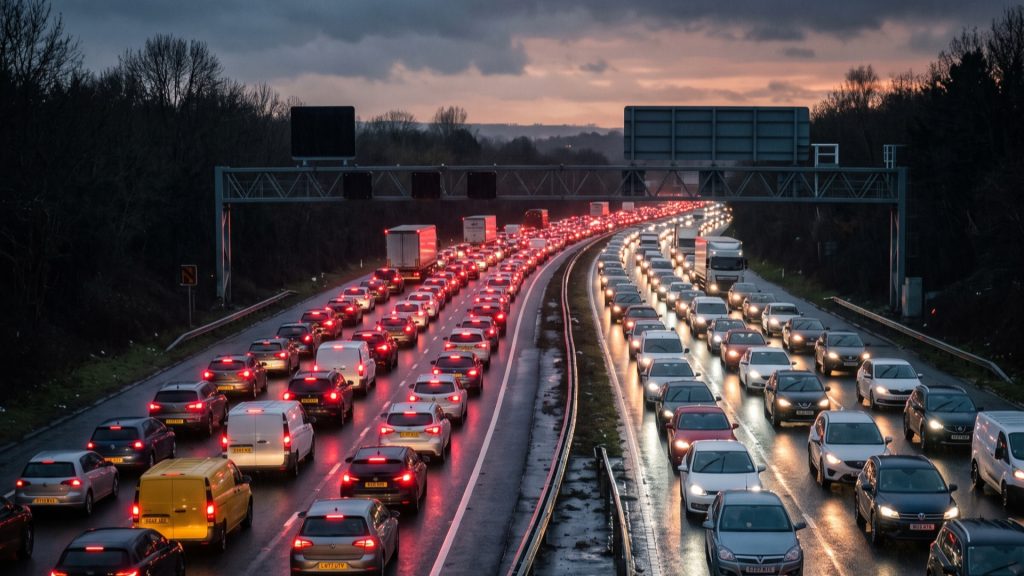
London drivers lose more time stuck in traffic than anyone else in the UK, 141 hours a year according to the TomTom Traffic Index. That works out at almost six full days sat behind the wheel going nowhere.
But the table below has a couple of proper surprises in it. London wins on raw hours lost, yet it isn’t the most congested city by percentage, and the city that actually holds that title doesn’t even make the top five for hours.
Here’s the full breakdown, where the shocks are hiding, and what all this sitting in traffic is quietly costing you.
Why does London top the table?
It probably isn’t a shock that London comes out worst for hours lost to congestion. It’s the UK’s biggest city by a distance, with the highest population density, the most commuters and a road network that was largely laid out long before cars existed.
What’s more interesting is who’s keeping London company near the top, because it isn’t the usual suspects.

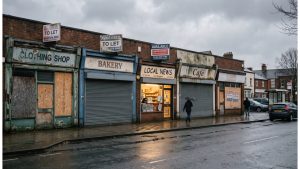
The real surprises: Edinburgh, Cambridge and Hull
According to TomTom’s Traffic Index, based on 2025 driving data, Edinburgh is the second worst city in the UK for time lost to traffic, with drivers losing 127 hours a year. Cambridge isn’t far behind in third place on 122 hours.
Neither city is anywhere near the size of London, Manchester or Birmingham, which makes their positions genuinely surprising. Edinburgh’s compact, historic street layout and Cambridge’s narrow, cyclist-heavy centre both squeeze traffic into pinch points that simply don’t exist in cities built on a grid.
Then there’s Hull in fifth place, with 104 hours a year lost to congestion, ahead of far bigger cities. It’s a reminder that population size alone doesn’t predict how bad the traffic actually feels on the ground.
The UK's 10 worst cities for time lost in traffic
These figures come from the TomTom Traffic Index 2026, which covers driving data from across 2025, and measure the average hours each driver loses to congestion over a year.
| Rank | City | Hours lost per year |
|---|---|---|
| 1 | London | 141 |
| 2 | Edinburgh | 127 |
| 3 | Cambridge | 122 |
| 4 | Bristol | 118 |
| 5 | Hull | 104 |
| 6 | Belfast | 102 |
| 7 | Norwich | 100 |
| 8 | Brighton and Hove | 99 |
| 9 | Exeter | 95 |
| 10 | Southampton | 88 |
So why does Belfast get called the most congested city?
This is where it gets confusing if you’ve seen conflicting headlines. Belfast sits sixth for hours lost, but it actually has the highest congestion percentage of any UK city, at 58.4%.
That figure measures how much longer a journey takes compared with free-flowing traffic, rather than the total hours drivers lose over a year.
In other words, Belfast’s roads get proportionally more clogged when they do clog. London’s problem is different: its traffic is bad for so many hours across the day that the total time lost still comes out highest, even though any single journey isn’t necessarily delayed by as much, percentage-wise, as one in Belfast.
Both things can be true at once. Belfast is the most congested city relative to a clear run, London is the city where congestion eats the most actual hours of your life.
It’s worth knowing the difference, because they’re often quoted as if they’re the same statistic.
What is all this traffic actually costing you?
Beyond the hours themselves, congestion has a real price tag.
According to the INRIX 2025 Global Traffic Scorecard, a separate piece of research using its own methodology, London drivers lost 91 hours to congestion in 2025, and the average UK driver lost 59 hours, costing them roughly £822 over the year in wasted fuel and lost time.
Scaled up across the country, INRIX puts the total cost of congestion to the UK economy at around £11 billion.
None of that is money you can easily claw back once it’s spent sitting in a queue, but there are ways to soften the hit.
If you’re driving into a congested city centre daily, it’s worth working out whether a park-and-ride, a slightly earlier start to dodge the worst hour, or switching even two commutes a week to rail or bike actually pays for itself once you add up fuel, parking and your own time.
In cities like Cambridge and Bristol, cycling or the bus can genuinely beat the car door to door once congestion is factored in, and the saving goes straight back into whatever you’re saving for.
If commuting costs are eating into your budget, it’s worth tracking exactly what you’re spending on fuel, parking and public transport each month so you can see where a small change would make the biggest difference.
If you found this interesting, please share!
Disclaimer: Content on this page is for informational purposes and does not constitute financial advice. Always do your own research before making a financially related decision.