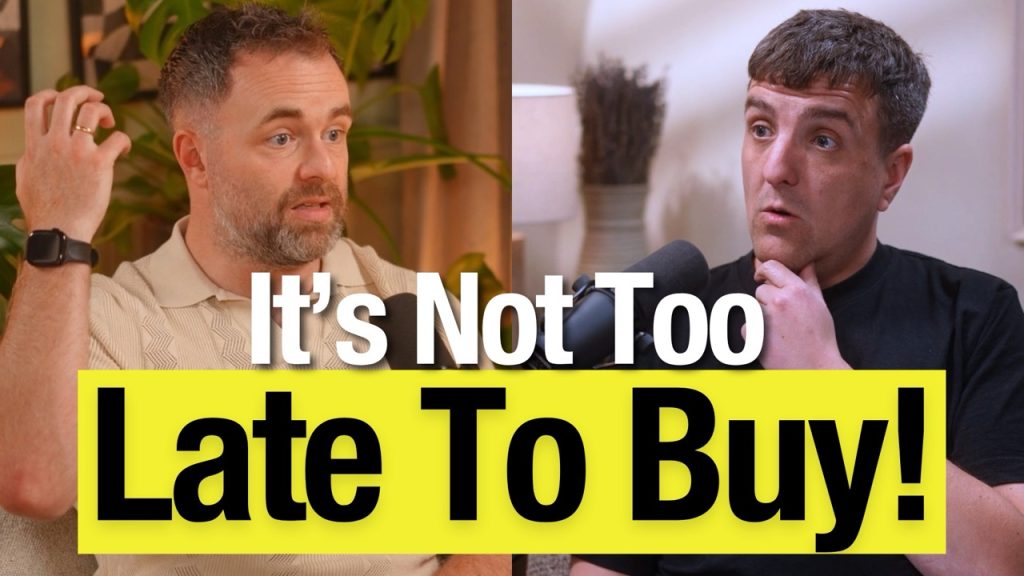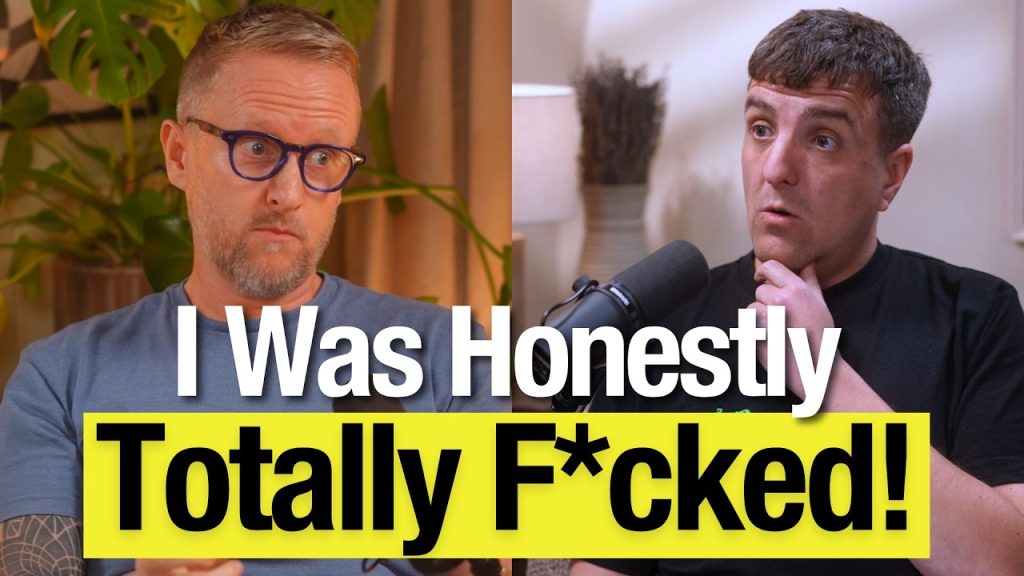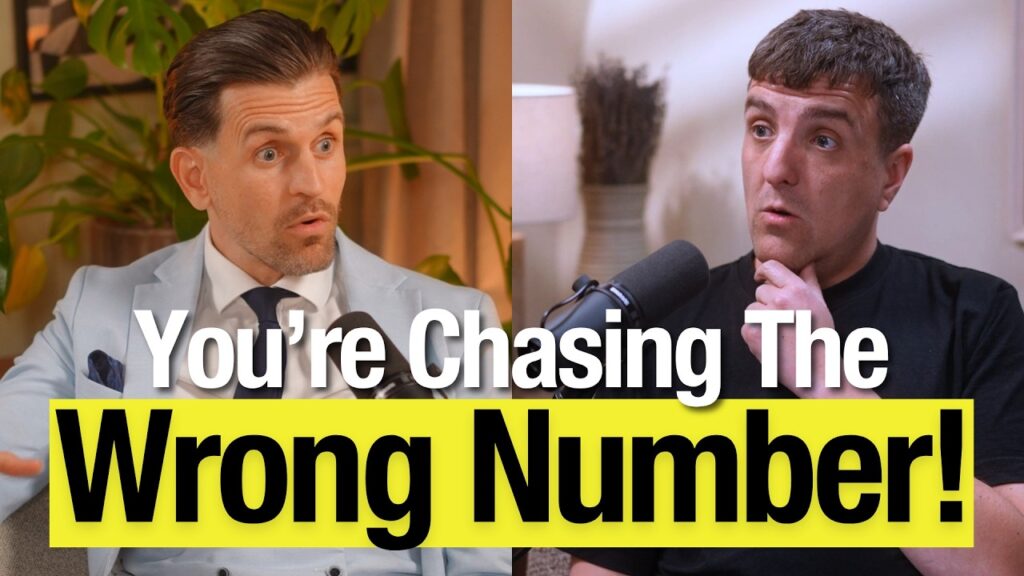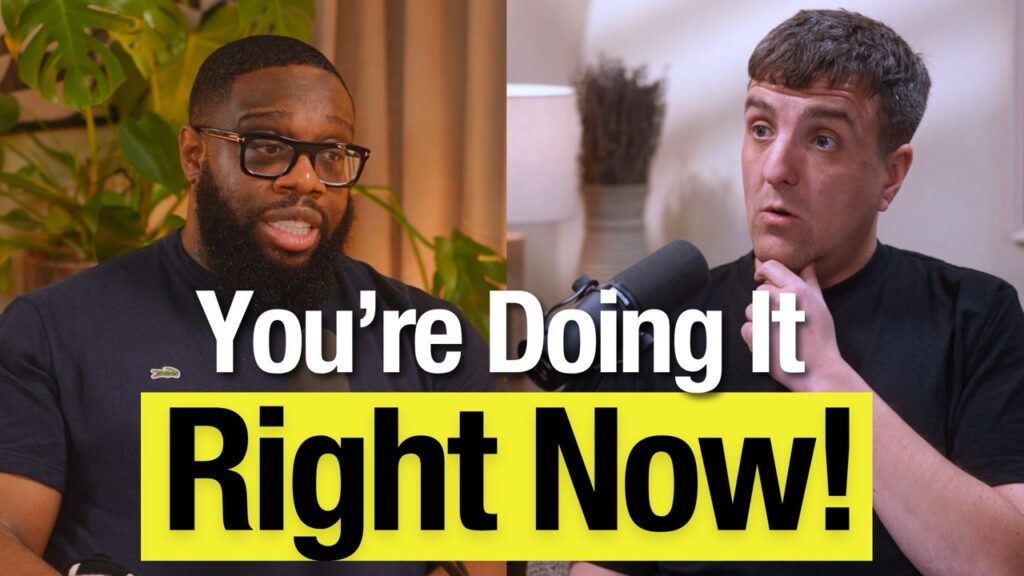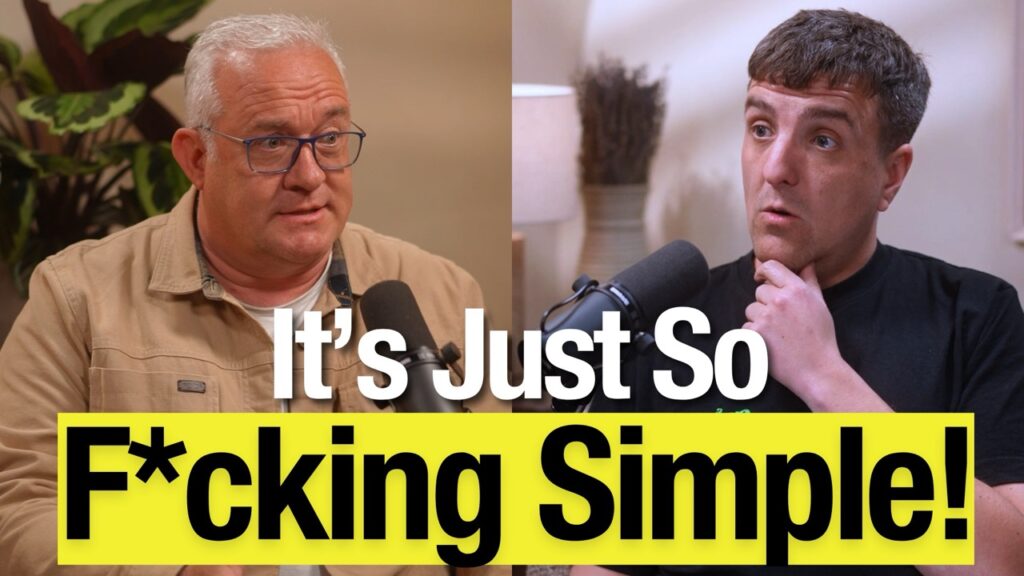

One of you saves, one of you spends, and it’s starting to cause arguments.
In this Money Moments short, Rotimi Merriman-Johnson (Mr MoneyJar) and Laura Ann-Moore tell host Sammie Ellard-King why the “saver” and “spender” labels are the wrong place to start, and what actually gets couples on the same page with money.
Two listener questions kick this one off. The first: how do you get your partner aligned with you when one of you is a saver and the other is a spender?
The second: how do you get a “live for today” partner interested in investing at all?
Rotimi and Laura don’t reach for the usual advice about turning your spender into a saver. Instead they push back on the labels themselves, and on the idea that you need matching money personalities to build a life together.
If you’ve ever felt like the “responsible one” in your relationship, or been quietly resentful that your partner enjoys their money more freely than you do, this episode is for you.
———
Gains App is LIVE!
An AI-powered budgeting and cashback app designed to help you make more of your money.
Download here: https://gainsapp.onelink.me/8IhT/oiaimr1z
———
Get a FREE FRACTIONAL SHARE worth up £100 when you deposit £1 with Trading 212
https://www.trading212.com/join/MGP
If you don’t receive the free fractional share, head to the menu and put the word ‘MGP’ into the promo code section.
(Capital at risk when you invest)
———
DISCLAIMER:
This video is meant for educational purposes and should not be considered financial advice. When you invest your capital is at risk. Past performance is not a guarantee of future success.
This video description contains affiliate links, if you click on one and make a purchase we may receive a small commission. This does not alter our suggestions and there is no charge for you.
Key takeaways
- Labelling yourself a “saver” or “spender” can be useful shorthand, but it becomes a problem when it replaces an actual conversation about money.
- Shared goals, not shared habits, are what get a spending partner emotionally bought into saving.
- Automating savings straight after payday removes the friction, so a “spender” can still spend guilt-free with what’s left.
- The traits that annoy you in a partner (spontaneity, generosity) are often the flip side of the ones you fell for.
- If your partner won’t take money advice from you, that’s normal. Point them towards a book, podcast or quiz instead.
Timestamps
- [00:18] Saver vs Spender: Aligning With Your Partner
- [00:30] Tool: Shared Goals Beat Shared Labels
- [03:34] Tool: Automate Savings Straight After Payday
- [05:16] Spender Identity vs Actual Spending Habits
- [05:57] Tool: Appreciate the Whole Person, Not Just the Money Trait
- [07:23] Getting a “Live For Today” Partner Into Investing
- [10:01] Tool: Let Outside Voices Do the Educating
Why the saver vs spender label misses the point
A listener wrote in asking how to get a spender partner “aligned” with a saver. Laura’s first instinct was to knock down the framing entirely.
“I think there’s nothing wrong with being in a relationship with someone who has different habits and behaviors and attitudes towards money than you,” she said.
The problem isn’t that one of you saves and one of you spends, it’s not knowing what you’re both working towards.
Her advice: stop trying to convert your partner into your money personality and start auditing your spending together so you can see where the money is actually going before you decide what needs to change.
If you’re saving for a holiday, a house or a family, a shared goal gives the spending partner “emotional buy-in” to shift behaviour, Laura explained, rather than feeling nagged into it.
Running your own budgeting calculator together is a low-drama way to have that conversation without it turning into a row about who’s “bad” with money.
Rotimi built on this with the practical side. Once you’ve agreed the goal, save on or just after payday rather than whatever’s left at the end of the month, into a separate account so you’re not tempted to dip in.
“Saving is really just not spending 100% of your money,” he said. Automate it, and the spender in the relationship can spend the rest without guilt, because the saving already happened.
Spender is a label, not a personality flaw
Sammie admitted he calls himself a spender, prompting Laura to point out he still saves and invests. “There are still those things attached to your identity that you are still doing,” she said.
The extreme version of “spender” is someone who overspends into debt. The much more common version is someone whose natural instinct is to spend, but who still has savings and investments running in the background.
Rotimi added a reframe worth keeping: the traits that frustrate you about a spending partner are often bundled with the ones you love. Someone disorganised and late might also be creative and spontaneous.
A partner who spends freely might also be the generous, fun one in the relationship. Judging the money habit in isolation misses the rest of the person attached to it.
How to get a reluctant partner into investing
The second question came from Martin Walker, who’s been trying to get his partner interested in investing while she prefers to live for today.
Laura’s read: women have historically been left out of investing conversations altogether, so confidence and understanding, not just willingness, are often the real blockers.
Coming at it with “I’m investing, you’re not, it’s all gonna be on me later in life” triggers defensiveness rather than curiosity.
Her suggestion is to lead with education, not pressure. If you’re not naturally good at explaining compound interest or index funds without switching someone off, that’s a skill, not a personal failing, so let someone else do the teaching.
A book, a podcast, or working through something like investing for beginners at their own pace often lands better than advice from a partner. As Rotimi put it, “he can ignite the fire, but he doesn’t need to keep it alight.”
Once the interest is there, working out how much of a safety net you need first, via a guide like how much should be in your emergency fund, is a natural next step before either partner starts investing seriously.
This transcript is auto-generated and lightly edited for readability, it may contain errors.
[0:13] Sammie Ellard-King:
24%.
[0:18] Sammie Ellard-King:
How do you get your partner aligned with you when one is a saver and he is a spender?
[0:25] Laura Ann-Moore:
Can I jump straight in? I have so many things to say on this.
[0:29] Sammie Ellard-King:
Okay.
[0:30] Laura Ann-Moore:
I think that, first of all, as humans, we love to label ourselves as like saver, spender, whatever it is. Sometimes it can be helpful and sometimes it can be really hindering. And I think there’s nothing wrong with being in a relationship with someone who has different habits and behaviours and attitudes towards money than you. Especially if you’re already in like an established relationship. And, you know, this is why it’s so important to talk about money right at the start, because you can have these questions and understand like how each other views money. But I think it’s less about both being a saver or both being a spender and more about having the same values and goals when it comes to your money. Totally. And it’s like she, if if Hannah is a saver and her partner is a spender, um, first of all, there’s like I’m a big believer that spending is just as important as saving in its own way. It’s not that one is better than the other. We don’t want the extremes. But it’s better to have a conversation around what are your shared financial goals. So if you are saving to go on holiday, you’re saving for a house, you’re saving to have a family, whatever it is, and you have a shared goal, then there’s a bit more buy-in, emotional buy-in from the partner to shift behaviours to start saving more. Um, but if you don’t know what you’re both working towards, the partner spending his money is still his money and you can do what you want. But it depends how your finances are like uh joint, because everybody does it differently. But I think it’s really important as a starting point to more talk about shared values, shared goals, and understand it’s okay to have different attitudes towards money as long as you’re at least going in the same direction. Um so yeah, less about getting him to be a saver and more about how can we work towards a common goal where he’s saving, but he can still spend how he wants, without my judgment on it.
[2:17] Sammie Ellard-King:
So do you think it’s like, you know, spend on the things that you want to spend on and let’s work towards together goals that are connected and we both save towards those?
[2:27] Laura Ann-Moore:
Yeah, I think so. If if Hannah and her partner have completely separate finances, like it really depends. Do they live together? Are they married? Are they like because everyone is so different. If you’re three months into a relationship or you’re 10 years in and you share a house and a family, very different. Um, but let’s just say they’re separate and you know, Hannah’s got her money, her partner’s got his money, and you set a common goal. We’re both working toward this. You’re gonna put away X, or we’re both gonna put away, I don’t know, £100 each towards this girl for however long. Really, it’s down to a partner to then the partner to do what he wants with the rest of his money. Like I’m a big believer that you can’t control someone’s choices. He might be looking at her going, I wish you’d spend more. How do I get my partner to spend more? So that’s where the open conversation part is. But I think it’s easier if you have a shared goal that you’re working towards so that you can both get excited about it. And then, you know, maybe you could set up an automated saving plan. Maybe you could um sit down and do your budget together. Like it allows you to kind of come together and connect over money instead of it being something that’s like, oh, he does this, she does this. Yeah. It’s more open and valuable. Yeah, yeah, yeah, absolutely. That’s what I would say.
[3:34] Rotimi Merriman-Johnson:
To me. Yeah, that’s a great, great um explanation. I think the only build I’d make on that is once you’ve aligned on what your goals are, then you just do the classic saving stuff. So on or or just after payday, you you save. So rather than waiting until the end of the month and then and then saving what’s left, save as early as you can, prioritize it, save into a separate savings account. It’s up to them if they want to do a joint account together, but you can have a a pot or just a separate bank account so that money’s um gone um out of the way and you’re less likely to dip into it. And then I would say finally to to automate it, as as Laura has said, because if you’re a spender, um I I think there’s nothing wrong with that. I think as long as you’re spending money in a way that you you definitely uh need or want, so like you’re using the stuff, you’re enjoying the stuff, I actually think that that’s great, and that’s why we work so hard for our money. Um but you wanna you want to automate your savings so that you’re you’re reducing the friction um to to saving and and then you can spend the rest. Saving is is really just not spending one hundred percent of your money. Because if you spend one hundred percent of your money a hundred percent of the time, um you are beholden to the person who who’s paying you and you’re gonna have to go back to them each time. Whereas if you can spend 90% of your money, 80% of your money, then you put yourself in a much better position financially.
[5:01] Sammie Ellard-King:
Such a great point, man. Like I know I’m a spender and I just know that about me. So like having those things pre-prepped at the start of the month allows me to be completely a spender and then like tap into my spending habits.
[5:16] Laura Ann-Moore:
Yeah, but that’s interesting, right? Because you call yourself a spender and yet you still save and invest. Yeah. 100%. There are still those things attached to your identity that you are still doing. Yeah. So the way that we label ourselves around being a spender, you’ve got the extreme of I’m a spender, I spend everything, I even overspend and go into debt. And then you have, I see myself as a spender because that’s my natural go-to, but I still do all of these other things. I still save and I still invest. And I think when you are in a relationship, it’s really important to like have no judgment because then Hannah can share a lot of the tips that she has around saving that are really helping her with her partner without it being something that makes him go, all right, bring it in.
[5:57] Rotimi Merriman-Johnson:
Yeah. And uh another thing that I’ve learned about relationships is that um and unlike the changing people point, I think I read an article on the art of manliness of all of all websites about appreciating your partner. And and it says that we often try to treat our partners like um they’re a buffet. Like we want to pick and choose the um characteristics that we like about them and and not like the other ones. And and the example that it gave is that if you’re with someone who is like disorganised and late all the time, it’s probably because they’re quite creative and quite spontaneous. Which is the same thing. And it’s all of those things. So you might be there like, oh, my partner’s like a a spender. But they could also attach to that could be the fact that they’re really generous or have a really fun attitude towards life. So it’s not the financial point, but it’s just like appreciate the fact that this aspect of their personality is part of who they are as a person.
[6:54] Sammie Ellard-King:
Yeah, and it may be the reason like you fell in love with them in the first place because of those characteristics. Yeah. But it just so happens that when you combine your finances or there’s things in the different season of the relationships, that those spender traits have become more apparent to you, perhaps.
[7:08] Rotimi Merriman-Johnson:
But just set up the standing order as well. So make it easy for yourself. Basically, same result.
[7:12] Laura Ann-Moore:
Make it easy. Roll me on that.
[7:18] Rotimi Merriman-Johnson:
I love how we started off Yorkshire and ended Cockney.
[7:20] Sammie Ellard-King:
Yeah, yeah. Well, yeah.
[7:22] Laura Ann-Moore:
She’s international.
[7:23] Sammie Ellard-King:
Jack podcast producer Jack will be testament to my uh garage MCs when no one’s around. Um just I just literally pull it out of nowhere. Okay. Uh oh, the days of the past. Um to follow on from this really nice sort of added question, really, as well. Kind of another couple here. Martin Walker wrote in uh talking about I’ve been trying to get my partner into investing. She has a very live for today and not for the future mindset. How do I get her to change this mentality? Again, a change in mentality, as I feel like later in life it’s all going to be on me. Laura?
[7:59] Laura Ann-Moore:
Yeah, I think it’s interesting because what he’s saying, you know, later in life it’s all gonna be on me. That’s kind of it’s an emotional thing, right? He’s probably thinking, oh, this is quite a lot that I’m gonna have to deal with. And the light the load could be lightened if me and my partner are doing it together. So both emotionally and financially it makes sense for her to start considering it. But what I will say as a female is when what’s his name? Martin.
[8:26] Sammie Ellard-King:
Martin Walker, yeah.
[8:27] Laura Ann-Moore:
Martin. Martin obviously has an understanding, a knowledge, and a confidence around investing that allows him to understand why he’s doing it, what he’s doing it for, how much he can put away, etc. And women in general have been left out of that conversation of investing. So I think there’s like, first of all, just the education piece around why, why? Because right now, his partner’s very like, live for the moment, enjoy your money, which there’ll be a reason why she’s like that, like we just kind of said a minute ago about you know all your own experiences and and whatnot. But when you show someone or give someone the awareness and the understanding around why we invest and why we plan for the future, sometimes the habits and behaviours will start to shift naturally. But then there also needs to be the confidence piece around her feeling confident enough to invest, understanding her own risk profiles. There’s so many things involved. But if he comes at it from an attitude of like, I’m investing, you’re not, it’s all gonna be on me later in life, you’re just spending your money now, it’s gonna be like, oh, buddy. Defense mechanisms come up.
[9:27] Sammie Ellard-King:
Yeah, it’s gonna be like the opposite.
[9:29] Laura Ann-Moore:
Yeah, and I think sometimes, unless you’re a financial educator like us, where we know that we are we repeat the basics a lot, we share things that we know really a lot of detail about, and we have to learn how to get it across in a point where it’s really easy to understand. Yeah. If that’s not your job.
[9:44] Sammie Ellard-King:
Over and over. Yeah.
[9:45] Laura Ann-Moore:
Yeah, and if it’s not your job, it’s it can be it’s a skill. Yeah. So I think, you know, very good point, actually. And and and if he’s coming at it from a point where he’s using all the language around investing, throwing out compound interests and index funds. I know when I first learned about it, I was like, Yeah, what are you talking about, man?
[9:59] Sammie Ellard-King:
I just want to enjoy my life. Yeah, yeah, yeah.
[10:01] Laura Ann-Moore:
And you’ll switch off. So um if if he’s if Martin’s not up for the job and he’s like, you know, you can pass it over to somebody who is an expert in that area around social media, books, podcasts, where she can start to learn for herself. Because it’s all what you know, he can ignite the fire, but he doesn’t need to keep it alight.
[10:18] Sammie Ellard-King:
Totally. Um and people like to learn from different types of people as well that may actually like they want perhaps just to keep the relationship intimate, right? And rather than I don’t want you preaching to me, but I’m happy to go and learn from Laura or Timmy or myself or whoever, right?
[10:33] Laura Ann-Moore:
And it’s it is that classic thing of when you learn, how many times have we all heard something from someone that we love, like a piece of advice? Yeah. Then you hear it on a podcast in a book from your favourite creator, and you’re like, that’s a banging bit of info. And then your friend or your partner is like, Oh, I have been saying this to you for years. And you’re like, You’re like, have you? Well, they said it differently. But it’s because sometimes with the people that we’re closest to and the people that we love, we don’t always want to take advice from them, or we hear it differently, or whatever it is. Totally. So it’s uh the education piece doesn’t necessarily need to come from him. It can he can lead her in the right direction, but just maybe show you know, showing love by showing sharing resources, and then she can start there on her own.
Frequently asked questions
Not inherently. Laura and Rotimi both use the labels themselves. The issue is when the label replaces an actual conversation about goals and values, or becomes an excuse not to save at all.
Yes. Rotimi and Laura’s advice works whether you’re fully joint, fully separate, or somewhere in between. Agree a shared goal and a set contribution each, then each partner does what they want with the rest of their own money.
Anchor it to a shared goal you’re both excited about, then automate the saving so it happens on payday before either of you can spend it. That removes the ongoing conversation about willpower entirely.
Lead with why investing matters rather than jargon like compound interest or index funds, and don’t assume it has to come from you. A book, podcast or an outside source they trust often gets through faster than a partner’s advice.
That’s normal and, according to Laura, not actually the problem. What matters is going in the same broad direction on your goals, not matching each other’s day-to-day habits. This article is for educational purposes only and should not be considered financial advice. When you invest, your capital is at risk and past performance is not a guarantee of future results. This page contains affiliate links; if you click through and make a purchase we may earn a small commission at no extra cost to you.
———