
Sammie Ellard-King
I’m Sammie, a money expert and business owner passionate about helping you take control of your wallet. My mission with Up the Gains is to create a safe space to help improve your finances, cut your costs and make you feel good while doing it.
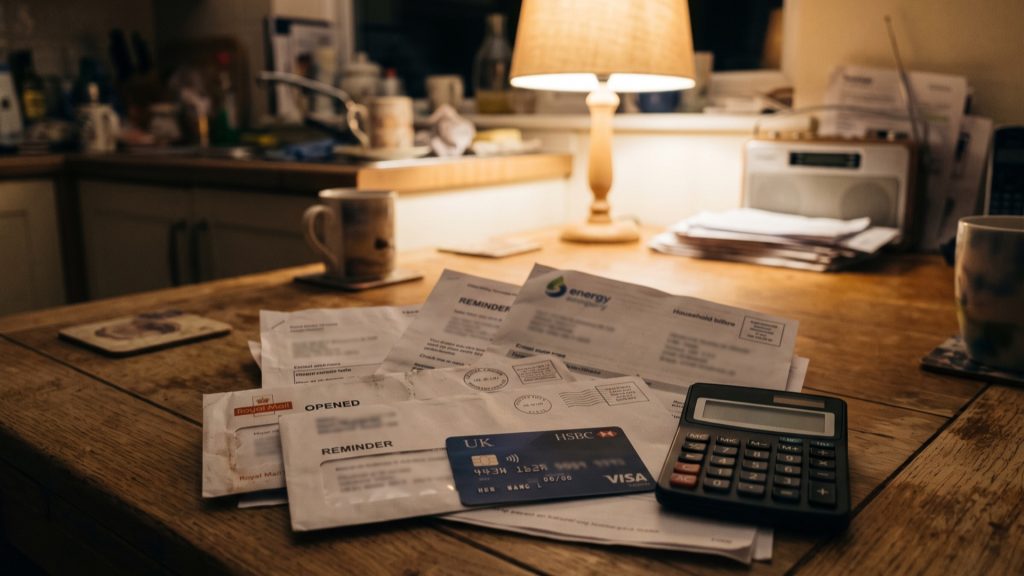
The average annual energy bill will fall by 7% in April, Ofgem has announced. Between April and June, the typical dual fuel bill will drop to £1,641 – down from the current £1,758 cap.
That’s a £117 reduction.
Compared to the level between April and June 2025, it’s 11% or £208 lower.
Why Is It Falling?
The “main driver” of the energy price cap reduction is a change made by Chancellor Rachel Reeves at the autumn budget, Ofgem said.
She announced in November that £150 would be cut from the average household bill from April by scrapping the Energy Company Obligation scheme and changing how the Warm Home Discount is funded.
Global wholesale energy prices have also fallen by £38 a year over the last three months.
But network costs have risen by £66 a year due to investment in upgrading energy infrastructure.
More news:



What Did the Government Say?
Prime Minister Keir Starmer said: “I promised to bring bills down and I meant it. Today – because of the actions this government took at the last budget – the price cap on energy bills has come down by £117.”
Energy Secretary Ed Miliband told Sky News the government wanted to “drive them down further”, pointing to the election promise for average costs to fall by £300 from the 2024 figure of £1,750.
Will Bills Keep Falling?
Probably not. Cornwall Insight expects the next price cap, which takes effect from July, to rise to £1,645 a year.
The forecaster cited “more turbulent market conditions” and “volatile” wholesale energy prices that could push the cap upwards.
Dr Craig Lowrey, principal consultant at Cornwall Insight, said: “Today’s reduction will bring real relief to households, but our early view for July suggests that this is where the big falls stop.”
Should You Switch to a Fixed Tariff?
Experts are warning households not to fall for the “price cap trap”, with several fixed tariffs already offering cheaper deals.
The E.ON Next Fixed 15 m v7 tariff costs just £1,533 a year – £225 less than the current price cap, and £108 cheaper than the new cap coming in April.
There are currently 30 fixed energy deals on the market that undercut the current price cap, and they’ll get “even cheaper” from April.
Richard Neudegg, director of regulation at Uswitch, said: “Customers switching to a cheap fixed tariff could see their bills up to 19% cheaper than today’s standard rates once the reduction kicks in, compared with the 7% reduction from simply sticking with the price cap.”
How Does the Price Cap Work?
The energy price cap limits what utility companies can charge customers for a daily standing charge and each kilowatt-hour of gas and electricity they use.
The £1,641 figure reflects the average dual fuel household’s annual bill. Your actual bill will be different depending on how much energy you use.
Here’s what’s changing from April:
- Electricity unit rate: 22.65p per kWh (down from 24.23p)
- Gas unit rate: 5.64p per kWh (down from 5.98p)
- Electricity standing charge: 61.04p per day (down from 61.46p)
- Gas standing charge: 31.82p per day (down from 32.10p)
What About Standing Charges?
The government is removing funding for the Warm Home Discount scheme from standing charges from April 1st and instead funding it through unit rates.
This will benefit those who use less energy the most, as you won’t pay the standing charge contribution towards the scheme if you don’t use any energy.
Should You Act Now?
If you’re on the price cap, your bill will automatically drop in April. You don’t need to do anything.
But if you want to save even more, it’s worth checking fixed tariffs.
Comparison sites like MoneySuperMarket and Uswitch show deals that are currently cheaper than the new price cap.
Just remember that if you fix now and the price cap falls further in future, you’ll be stuck on your fixed rate.
But with analysts predicting the cap will rise again in July, a fixed deal might be your best bet for now.
If you found this interesting, please share!
Disclaimer: Content on this page is for informational purposes and does not constitute financial advice. Always do your own research before making a financially related decision.