The average monthly savings for a single person in the UK is around £180-200, and the current average household savings stand at £450 per month.
This puts saving £100 a month below the average for both individual and household savings. However, it’s important to note that what may seem like a modest amount can still make a meaningful impact over time, particularly when invested wisely.
At this level, £100 may not be an above-average saving rate, but it’s still a viable and realistic starting point for many people.
Whether you’re just beginning your savings journey or recalibrating due to life circumstances, £100 a month is a step in the right direction.
If you’re among the top 1% of earners, saving £100 a month would be a modest sum relative to your overall income.
For most people, however, £100 a month is a reasonable and attainable amount to set aside but is saving £100 a month good?
The answer is always yes. Something is better than nothing!
While it might not be as hefty as saving larger amounts, it’s an excellent starting point and far better than saving nothing at all. Always consider how this amount aligns with your living expenses, your current financial circumstances, and your long-term goals.
Every bit adds up, so let’s make that £100 meaningful on your journey toward financial stability.
Table of Contents
Is Saving £100 A Month Good Enough?
Setting aside £100 each month totals £1,200 per year, a respectable sum that can make a real difference in your financial security.
If you maintain this level of monthly saving, you’ll steadily build up a significant financial cushion.
Considering interest rates at this saving level is important, and it may be beneficial to consult a financial advisor or money coach to optimise your strategy.
Once you’ve solidified a stable emergency fund, the next logical step is to consider investing a portion of these savings. A solid understanding of personal finance can really elevate your efforts here.
Let the latest technology help get you there with the best money savings apps.
??Listen To This ??
Join us with Ken & Mary from The Humble Penny and award winning financial blog and Youtube channel.
We discuss how to use your savings and investments to craft a successful and joyful financial life for yourself!
Get the full episode or check out all the episodes on The Money Gains Podcast here.
How Quickly Does £100 Grow with Different Interest Rates?
Let’s delve into different interest rate scenarios to evaluate their long-term impact on your savings.
| Years | 1% Annual Rate | 2% Annual Rate | 3% Annual Rate | 4% Annual Rate | 5% Annual Rate |
|---|---|---|---|---|---|
| 1 | £1,212 | £1,224 | £1,237 | £1,249 | £1,262 |
| 2 | £2,449 | £2,498 | £2,546 | £2,596 | £2,646 |
| 5 | £6,206 | £6,329 | £6,454 | £6,582 | £6,712 |
| 10 | £12,810 | £13,249 | £13,702 | £14,171 | £14,656 |
| 20 | £27,403 | £29,407 | £31,560 | £33,867 | £36,351 |
| 30 | £45,361 | £50,178 | £55,363 | £61,015 | £67,168 |
As demonstrated in the table, even a modest increase of 1% in interest rates can substantially affect your long-term gains.
Why does this happen? It’s all thanks to the magic of compound interest. The interest you earn begins to earn its own interest, and this compounding effect gathers pace over time.
Let the latest technology help get you there with the best money savings apps.
Why £100 a Month?
Is saving £100 a month a worthwhile endeavour in the UK?
While £100 might not seem like a large amount, its cumulative effect can be surprisingly impactful, especially when you consider the benefit of compound interest.
Let’s delve into the ways this monthly sum can make a difference in your financial life.
Financial Cushion
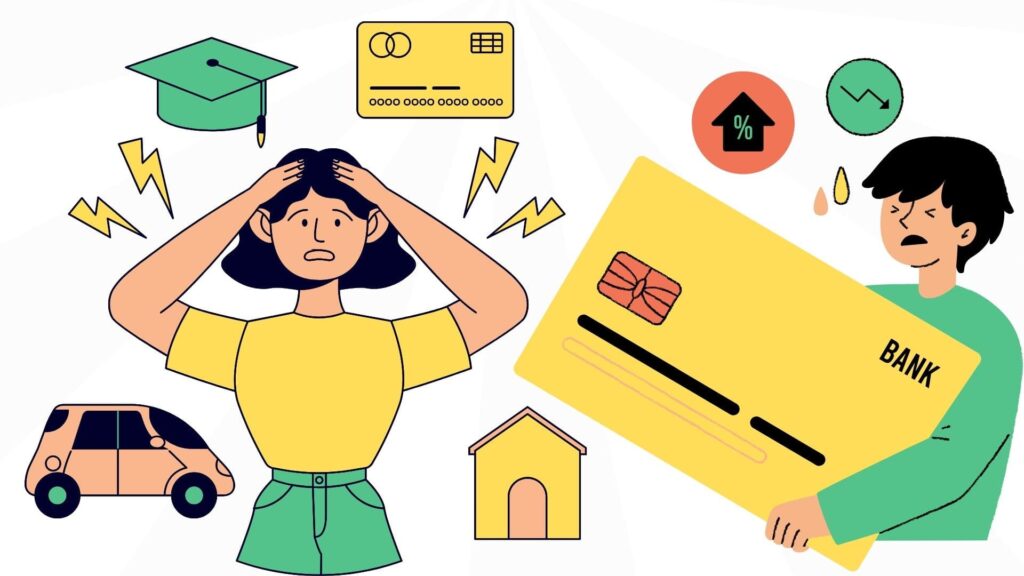
Regularly setting aside £100 a month can help build a financial cushion for unexpected events.
Within a year, you’ll have £1,200 set aside, which could cover emergency costs such as a sudden appliance repair or unexpected medical bills.
For some, having even this modest financial buffer can offer a sense of security against life’s unpredictable turns.
Attainable Financial Milestones
Committing to save £100 a month makes achieving smaller financial goals more realistic.
Whether you’re saving up for a short holiday, a special gift, or initial business expenses, having a dedicated savings plan adds structure to your financial landscape.
It may be a modest amount, but consistency turns it into a financial asset.
A Practical Path to Financial Independence
If financial independence is your goal, saving £100 a month is a small but significant step in the right direction.
While it might not fast-track you to early retirement, every little helps, and our FIRE calculators can demonstrate how even modest regular savings contribute to long-term financial freedom.
A Stepping Stone onto the Property Ladder
In the context of the UK property market, £100 a month may seem modest, but it’s a step in the right direction.
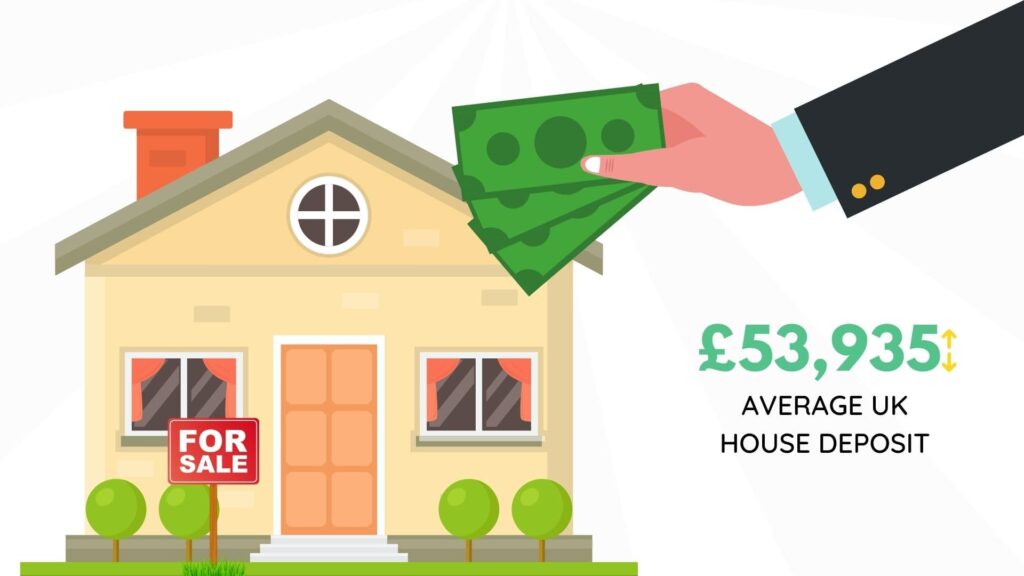
While reaching an average deposit of around £53,935 would undoubtedly take longer with this saving rate, it’s still progress. Not to forget, interest accrual and investment gains could also contribute over the long term.
Planning for a Comfortable Retirement
Though £100 a month may seem a small amount, it can make a meaningful difference to your retirement savings over the long term, especially when you consider the impact of compound interest.
Your £100 monthly commitment will slowly but surely grow, giving you something to lean on in your later years.
Let the latest technology help get you there with the best money savings apps.
How Much Should I Save Each Month?
Determining the ideal amount for your monthly savings can be a tricky exercise. If you save too little, you risk falling short of your financial aspirations; save too much, and you may strain your day-to-day budget.
The question of how much to save each month is individual to your circumstances, but some key factors can guide you. These include budgeting, emergency fund planning, exploring investment avenues, and considering retirement.
Budgeting to Maximise Savings
To figure out how much you should save, you first need to understand your income and outgoings.
A well-crafted budget provides a financial roadmap, indicating areas where you can afford to trim expenses.
It’s not just about skipping the odd coffee from Costa; it also entails smart handling of significant commitments like rent or loan payments.
Once you have a clear picture of your spending, you can set a realistic savings goal. If £100 fits well within your budget, it’s a practical place to start. Your cash savings will gradually grow if you stick to it.
OR if you still need help budgeting then you can use our free monthly budget calculator here.
Do You Have an Emergency Fund?
An emergency fund is a crucial financial cushion for unexpected life events such as sudden illness or job loss.
Typically, it’s wise to have at least three to six months’ worth of living expenses saved up. If you don’t have an emergency fund yet, focusing on building one can be a good initial savings goal.
- Sammie's Hot Tip ??
Begin by saving enough to cover one month’s expenses, then aim for the 3-6 month target. Emergency funds might not be everyone’s priority, but reconsider that mindset and move it to the top of your list.
Investment Prospects
While saving is essential for short-term needs, investing is your ticket for long-term financial growth and securing your or your family’s financial future.
Even small, consistent investments like £100 a month can add up over the years, thanks to compound interest.
Stock market investments come with inherent risks, but understanding and managing those risks is vital for long-term financial growth. Adopt a long-term perspective for best results.
If you’re a beginner, start with lower-risk options like bonds or index funds, and consider using a stocks and shares ISA for tax-efficient growth.
Read our Beginners Guide To ISAs here.
Preparing for Retirement
Planning for retirement may seem far off, but the sooner you start, the better. If your workplace offers a pension scheme that matches contributions, take full advantage. This is essentially free money.
Aim to contribute enough to secure the maximum employer match. Remember that pension funds are long-term commitments; you generally can’t access these funds before age 57 unless in specific circumstances like severe illness.
If you’re self-employed, don’t have access to an employer’s pension scheme, or wish to augment your existing pension, consider setting up a personal pension plan.
The State Of Savings In The UK
The average amount saved by age differs vastly based on age group. According to savings statistics from the ONS, this is how each age group is stacking up:
- 18 to 24-year-olds – £2,481
- 25 to 34-year-olds – £3,544
- 35 to 44-year-olds – £5,995
- 45 to 54-year-olds – £11, 013
- 55 to 64-year-olds – £20,028
- 65 to 74-year-olds – £113, 600
So in just one year, saving £100 a month you’d almost have more savings than most 18-34 year olds in just 3 years.
Feeling like you’re playing catch-up? Find out what you should have saved by your age, and why the averages aren’t the full story.
Let’s explore some scenarios where £100 a month could make a difference, depending on your income level or job role.
Contextualising £100 in Various Scenarios
Let’s delve into different scenarios where a monthly saving of £100 could be impactful, based on your income bracket or occupation.
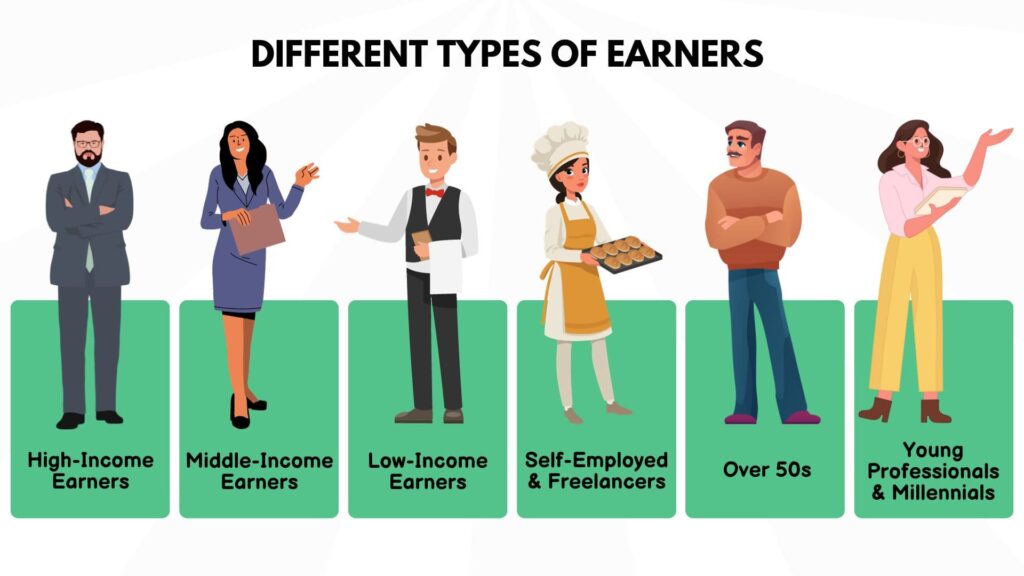
High-Income Earners
For individuals with significant salaries, £100 is very small amount. Yet, even small amounts can grow over time due to compound interest.
People in this bracket often have large expenses like mortgages or tuition fees. A £100 monthly saving could act as a small financial cushion and could be channelled into a diversified investment portfolio.
Financial advisors often recommend that high earners save much more, generally around £1,000 to £1,500 a month.
Middle-Income Earners
For those with average incomes, £100 monthly is often an attainable amount that can yield long-term benefits.
Major life events like marriage, childbirth, or career shifts can affect your financial situation. Regularly review your savings plan to ensure that £100 is still the right amount, taking into account factors like inflation and increased living costs.
Low-Income Earners
If you’re at the lower end of the income spectrum, saving £100 a month may seem daunting. However, even small, consistent savings are better than none at all.
Opting for a percentage-based saving approach rather than a fixed amount may be more achievable. Government schemes designed to assist low-income households can also be of aid.
The Self-Employed and Freelancers
For freelancers and the self-employed, income can be highly variable. £100 may be easy to save during a good month but a stretch when work is sparse.
Adopting a flexible saving approach, where you save more during prosperous months, can act as a safety net for leaner periods.
The Over 50s
If you’re in your 50s or beyond and haven’t been consistent with savings, committing to £100 a month can be a step in the right direction. With retirement looming, now is a critical time to bolster your financial standing.
Take advantage of financial tools like catch-up contributions to pension schemes to boost your savings.
Young Professionals and Millennials
For younger individuals, the magic of compound interest is particularly potent. A £100 monthly saving might feel challenging early in your career but often becomes more manageable as you advance and your salary grows.
MORE LIKE THIS
Conclusion
Navigating the intricate landscape of personal finance can indeed be challenging, but one constant remains: the value of a robust savings account.
By putting aside £100 a month, or an amount that aligns with your unique financial situation, you’re doing more than just accumulating money; you’re laying the foundation for a more secure and stable financial future.
From mastering the art of saving to establishing a reliable emergency fund to tapping into various investment avenues, even a modest, consistent monthly saving can offer a substantial contribution to your long-term financial health.
So whether you’re just embarking on your savings journey or looking to fine-tune your existing plan, don’t underestimate the power of regularly saving a portion of your monthly income.
Achieving financial stability may seem like a distant dream, but with a thoughtful approach and disciplined savings habits, it becomes an achievable goal.
In essence, it’s never too early or too late to start saving, and even a relatively small amount like £100 can go a long way in making a meaningful difference.
Share on social media
Disclaimer: Content on this page is for informational purposes and does not constitute financial advice. Always do your own research before making a financially related decision.