You can turn £100 into £1,000 through routes like reselling, side hustles, digital products, or investing in the stock market. There is no guaranteed shortcut: the jump takes knowledge, calculated risk and time. The fastest active routes are flipping or reselling items and freelancing a skill. Investing is slower but compounds reliably. Treat any double-your-money-overnight promise as a scam. We started exactly here: after clearing £24,000 of debt we had £100 spare on the first payday, and used many of the methods in this post to get going.
Table of Contents
How To Turn £100 into £1000
The key is to pick one method and nail it before moving on to the next. Personal finance is about making the most of your money, and you should do the same with your effort. Be methodical. The fastest routes below are the active ones, flipping, reselling and selling a skill, because they turn effort into cash quickly. The slower routes near the end are the investing ones, which are safer but measured in years. Making £1,000 is more than doable, so pick a couple that resonate and get started.
How long will £100 really take to become £1,000?
Here is the honest version nobody else prints. Most guides list ideas and never tell you how long they take. These are realistic ranges if you actually do the work, not best-case screenshots.
| Method | Realistic time to £1,000 | Effort | Risk | What you need |
|---|---|---|---|---|
| Flip and resell (car boots, Vinted, eBay) | 1 to 3 months | High | Low | An eye for a bargain |
| Freelance a skill (Fiverr, Upwork) | 3 to 8 weeks | High | Low | One sellable skill |
| Local services (cleaning, dog walking) | 1 to 2 months | High | Low | Reliability |
| Sell digital products | 2 to 6 months | Medium | Low | Something made once |
| Dropshipping | 2 to 6 months | High | Medium | Marketing and ads |
| Affiliate marketing | 3 to 12 months | Medium | Low | An audience |
| Start a blog | 9 to 18 months | Medium | Low | SEO and patience |
| YouTube channel | 6 to 18 months | High | Low | Camera confidence |
| Invest in stocks | 5 to 15 years | Medium | High | Research |
| Index funds | ~30 years at 8% | Low | Medium | Patience |
| High-yield savings | Decades | None | None | Nothing |
| “Double it overnight” schemes | Usually never | Low | Extreme | Please don’t |
The maths at the bottom is the point. Left alone in an index fund returning a typical 8% a year, £100 roughly doubles every nine years, so it takes around 30 years to become £1,000 on its own (at 10% it is about 24 years). That is exactly why every fast route on this list is built on effort, not investing. If you want speed, you work for it. If you want it hands-off, you wait.
Flip and Resell (the fastest £100 flip)
- Expected earnings: £100 to £1,000+ per month
- Difficulty: Easy to moderate
- Realistic time to £1,000: 1 to 3 months
This is the number one way people actually turn £100 into £1,000, and it is what we started with. Use your £100 to buy underpriced items from charity shops, car boot sales, Facebook Marketplace or clearance racks, then resell them on eBay, Vinted or Facebook Marketplace for a profit. Reinvest every profit into more stock and the pot snowballs. A £5 charity-shop jacket that sells for £25 is a 400% return in a week. It takes a good eye and a bit of research, but it is low risk because you are only ever risking the cost of one item.

Freelance a Skill
- Expected earnings: £200 to £2,000 per month
- Difficulty: Easy to moderate
- Realistic time to £1,000: 3 to 8 weeks
Your £100 buys the tools or a short course, then your time does the rest. Spend it on software, a domain, or a skills course in graphic design, copywriting, video editing or web development, then sell that skill on Fiverr or Upwork. This is the quickest realistic route because you are paid for output, not for waiting. Land three or four projects at £250 to £300 and you are there. The only barrier is having one thing people will pay for, and most of us already do.
Offer a Local Service
- Expected earnings: £150 to £1,500 per month
- Difficulty: Easy
- Realistic time to £1,000: 1 to 2 months
Treat the £100 as seed money for a hands-on local service. Buy basic kit and flyers, then offer window cleaning, dog walking, gardening, car valeting or house clearances in your area. Margins are high because your main cost is your time, and word of mouth builds fast. At £30 to £50 a job, a couple of jobs a week gets you to £1,000 inside two months. It is not glamorous, but it is one of the most reliable ways to hit the goal.
Start a Business
- Expected earnings: £200 to £2,000 in the first year
- Difficulty: Moderate to hard
- Realistic time to £1,000: 2 to 6 months
The thrill of entrepreneurship is unmatched. Starting a small business can be a golden ticket. With £100 you can buy products in bulk from a wholesaler and sell them online at a markup, or offer a service you have mastered. Identify a niche you are passionate about and build something people will pay for. If you are looking for business ideas, check out that post, and further reading, our best books for small business owners.

Dropshipping
- Expected earnings: £200 to £2,000 per month
- Difficulty: Moderate
- Realistic time to £1,000: 2 to 6 months
Dropshipping is an e-commerce model where you sell products without holding any inventory. When a customer buys, the product ships directly from the supplier to them. Use your £100 to set up a store on Shopify and cover a small ad test. The winners and losers are decided by two things: finding a product people actually want, and marketing it well. It is more work than it looks, but the upfront cost is genuinely low.
Sell Digital Products
- Expected earnings: £100 to £3,000 per month
- Difficulty: Moderate
- Realistic time to £1,000: 2 to 6 months
The digital world is a gold mine because there is almost no overhead. Create and sell eBooks, printables, templates or courses. Use your £100 to set up a simple site or a Shopify or Gumroad subscription to sell your digital wares. The trick is making something in demand once and then selling it again and again. Build it right and it keeps earning while you sleep.

Sell Online Courses
- Expected earnings: £100 to £2,000 per month
- Difficulty: Moderate
- Realistic time to £1,000: 3 to 6 months
If you have expertise in a field, package it. Platforms like Udemy or Teachable let you create and sell courses on everything from coding to cooking. Invest your £100 in good-quality content and you have a revenue stream that keeps earning with little extra effort. Courses take upfront work, but once they are live you only need to keep them current, which makes them fantastic long-term passive income.
Affiliate Marketing
- Expected earnings: £100 to £10,000 per month
- Difficulty: Moderate
- Realistic time to £1,000: 3 to 12 months
Affiliate marketing means promoting products you rate and earning a commission on every sale through your link. Sign up to affiliate programmes for products you already love and promote them through social media, a blog or word of mouth. It is our favourite on this list because the ceiling is endless. Some niches like travel and finance pay £250 to £500 per sale. The catch is simple: you still have to actually sell it, and that means building trust with an audience first.
Start a Blog
- Expected earnings: £50 to £500 per month to start
- Difficulty: Moderate to hard
- Realistic time to £1,000: 9 to 18 months
Blogging is a labour of love with lucrative potential. With £100 you can buy a domain, get hosting and launch a blog, then monetise through ads, sponsored posts and affiliate marketing. It takes time, sometimes up to a year before it pays, and you will need copywriting, basic web design, SEO and marketing. But it compounds: we have launched five profitable blogs, one now doing £5,000 a month from ads alone.

Start A YouTube Channel
- Expected earnings: £100 to £1,500 per month after growth
- Difficulty: Moderate to hard
- Realistic time to £1,000: 6 to 18 months
Got a passion to share? Use your £100 for basic recording kit and create content that entertains, educates or inspires, then monetise your channel through ads, sponsorships and merchandise. It took us three months to grow a channel to monetisation, and £26.74 in the first month of ads. Six months later it was £350 to £400 a month from ads, plus far more from affiliate links layered on top. Building an audience is slow, but the earnings stack once you have one.
Start a Podcast
- Expected earnings: £50 to £500 per episode through sponsorships
- Difficulty: Moderate
- Realistic time to £1,000: 6 to 18 months
Got something to say? With £100 you can get decent recording equipment and launch on Anchor, Buzzsprout or PodBean. Monetise through sponsorships, listener donations or related products once you have traction. Expect to record at least 30 episodes before you see any, and promote it everywhere. Podcasts have real income potential but they are a long game. While you are there, check out The Money Gains Podcast, our own one that makes £100+ per episode.
Invest in Stocks
- Expected earnings: Highly variable
- Difficulty: Moderate to hard
- Realistic time to £1,000: 5 to 15 years
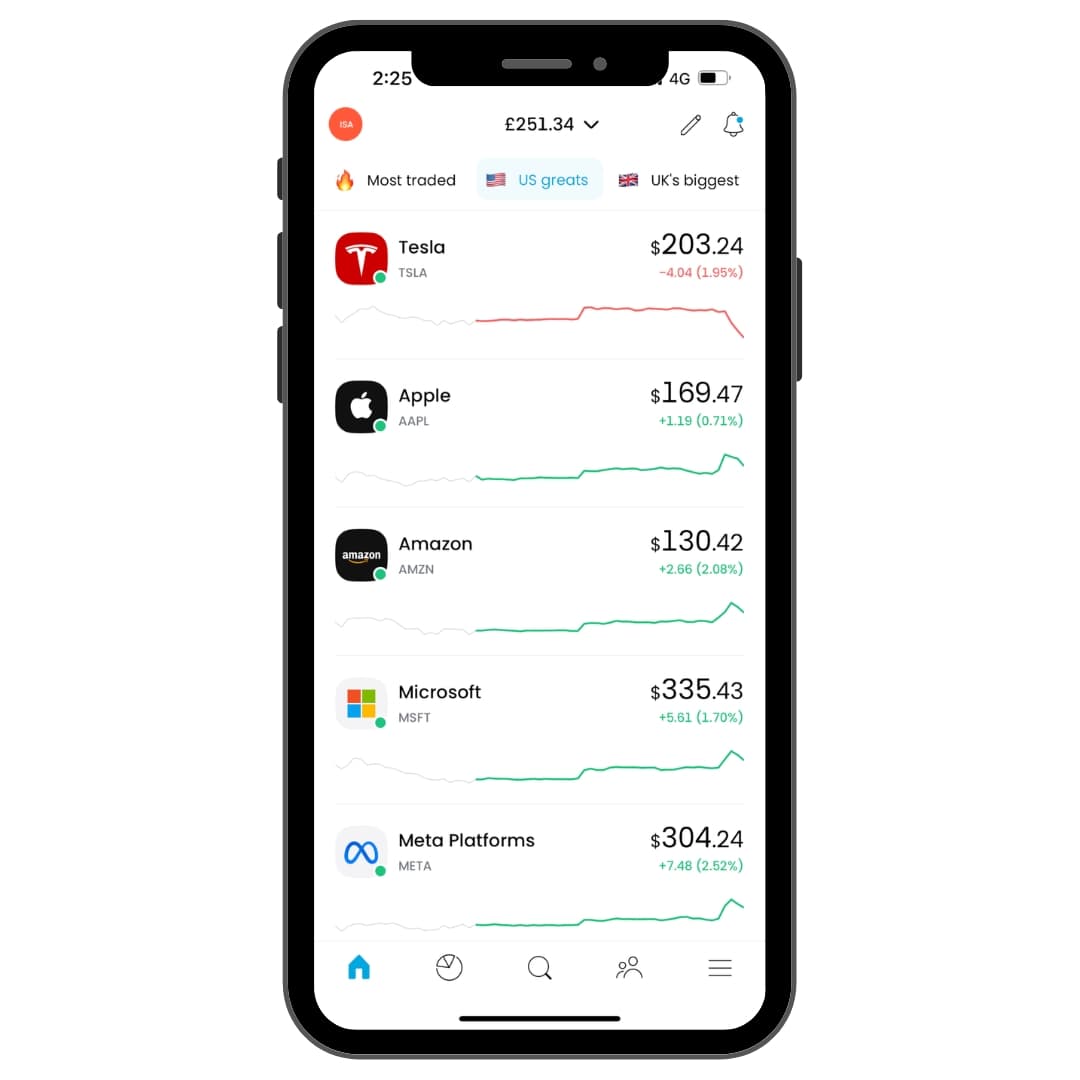
From here down we move from earning to investing, which is safer but slower. Your £100 can buy shares in companies through UK stockbrokers or investing apps. Focus on well-established companies or industries you understand, and never invest money you cannot afford to lose. Some accounts let you start from just £1 and others give you free shares when you sign up. Stocks can grow your money, but turning £100 into £1,000 this way is measured in years, not weeks.
Stop waiting and start investing with the best UK investing apps on the market right now.
We've covered all levels with expert managed and DIY options available.
Invest in Index Funds
- Expected earnings: 4 to 9% annual returns
- Difficulty: Easy
- Realistic time to £1,000: ~30 years on £100 alone
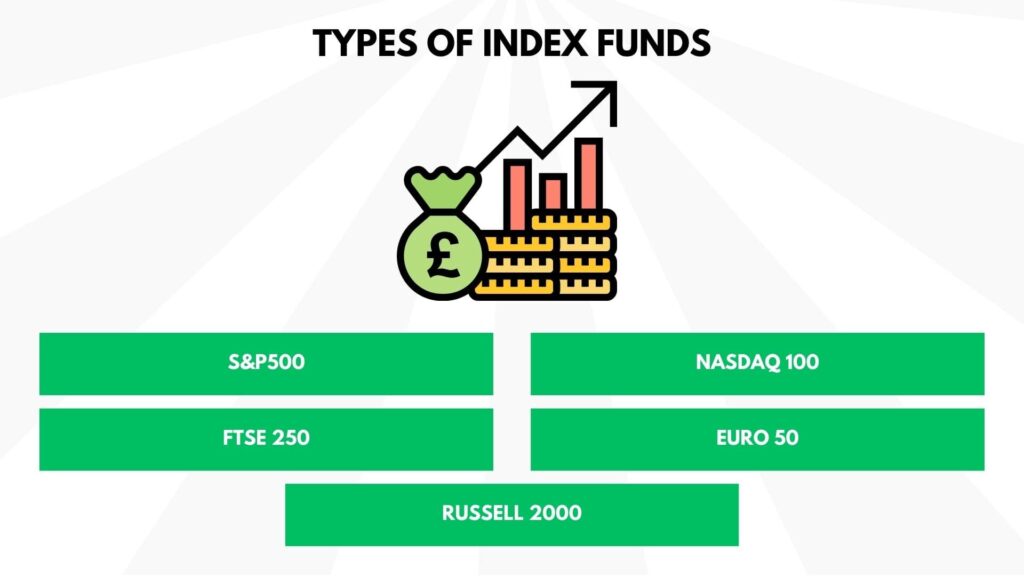
If you want hands-off, index funds are the answer. An index fund tracks a whole market, so it is diversified by design, which shields you from any single company tanking. With £100 you can invest in index funds through most brokerages, ideally inside a Stocks and Shares ISA so your gains are tax-free. At the global market’s long-run 8 to 9% a year, £100 on its own takes about three decades to reach £1,000. Add to it every month and compounding does the heavy lifting far faster.
Invest in Small Businesses
- Expected earnings: Variable, potential for high returns
- Difficulty: Moderate
- Realistic time to £1,000: Years (and it may fail)
Backing a promising small business can be rewarding both financially and personally. Platforms like Crowdcube or Seedrs let you back early-stage companies from as little as £100. The trick is picking businesses you believe can genuinely execute their plan. This carries real risk, your money can be tied up for years or lost entirely, but if the business takes off, a small stake can multiply. Only use money you are happy to lock away.
Use Peer to Peer Lending
- Expected earnings: 3 to 7% annual returns
- Difficulty: Easy
- Realistic time to £1,000: Many years
Peer-to-peer platforms let you lend your money to individuals or small businesses online for interest. It is similar to investing in bonds but can offer higher returns, and higher risk, since borrowers can default. Spread your money across many borrowers to reduce that risk. Note that P2P is not FSCS protected, so treat it as an investment, not a savings account.
Use a High Yield Savings Account
- Expected earnings: 2 to 5% interest
- Difficulty: Easy
- Realistic time to £1,000: Decades on £100 alone
If you want somewhere safe to park money while earning more than a standard current account, a high-yield savings account or cash ISA works. Returns are modest and it will never turn £100 into £1,000 quickly on its own, but your money grows steadily with virtually no risk, and up to £120,000 per bank is protected by the FSCS (the limit rose from £85,000 in December 2025). It is the calm, boring option, and there is nothing wrong with that.
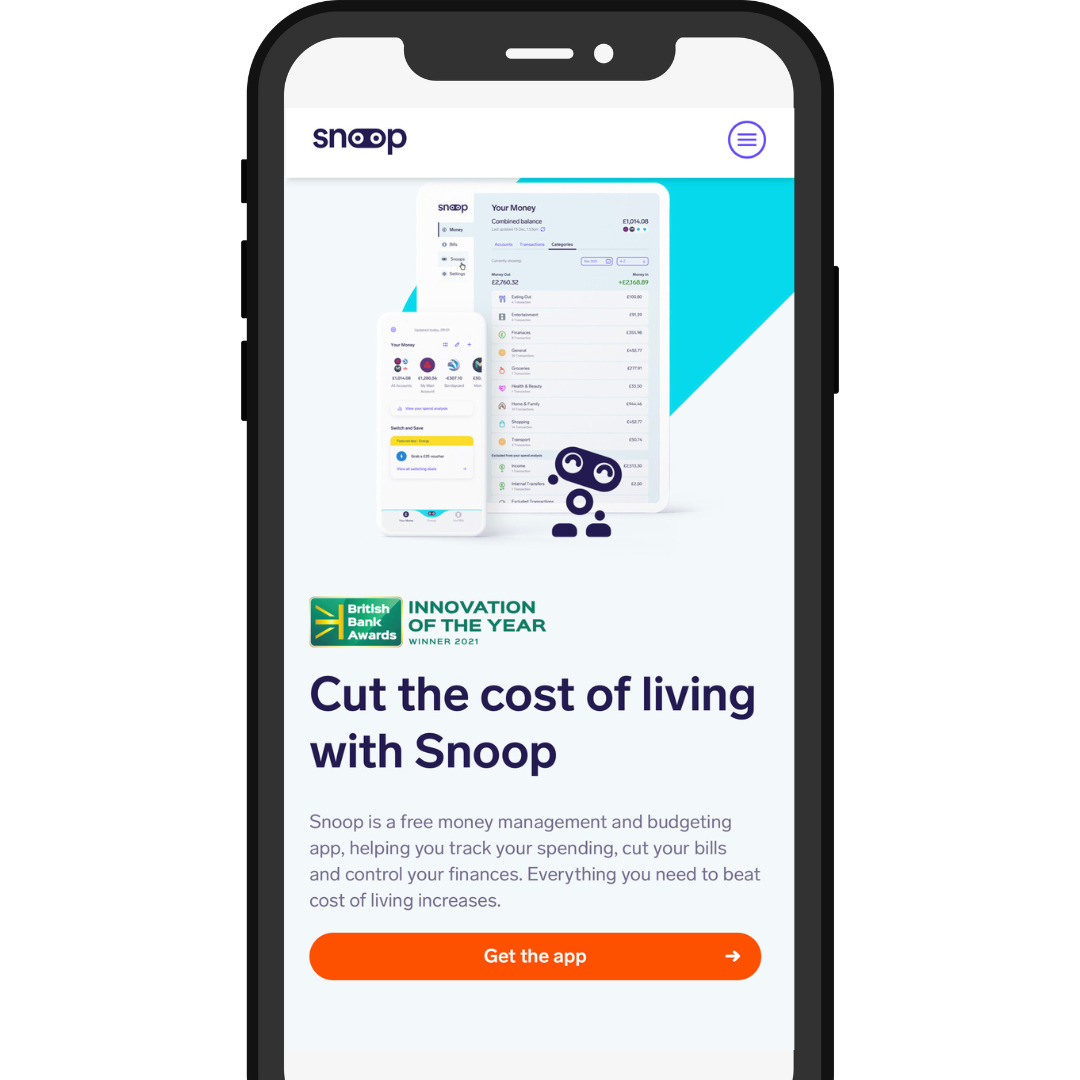
Let the latest technology help get you there with the best money savings apps.
Rent Out What You Already Own
- Expected earnings: £50 to £500 per month
- Difficulty: Easy
- Realistic time to £1,000: 2 to 6 months
You may be sitting on assets already. Rent out a driveway or parking space, a spare room, storage space, tools, camera gear or even your car through the growing sharing economy. Your £100 covers any small setup, a lock, a listing photo, a clean. It is close to passive once it is running, and it stacks neatly on top of any other method on this list.
Tutor or Teach a Skill
- Expected earnings: £15 to £40 per hour
- Difficulty: Easy to moderate
- Realistic time to £1,000: 1 to 3 months
If you are good at something, someone will pay to learn it. Use your £100 for a webcam, a whiteboard app or a simple listing on a tutoring platform, then teach maths, English, music, coding or a language online or in person. At £25 an hour, that is 40 hours of work to hit £1,000, spread across evenings and weekends. Demand is steady all year and spikes around exam season.
Turn £100 into £1,000 by timeframe
The honest answer to “how fast” depends entirely on how hard you push and how much risk you take. Here is what is realistic.
In a day or 24 hours. Almost nobody does this legitimately. The only same-day routes are selling something you already own for a profit, or getting paid for urgent work. Every “£100 into £1,000 in 24 hours” video relies on gambling or get-rich-quick schemes, and that is how you turn £100 into £0. Treat them as entertainment.
In a week. Very hard, but not impossible with a service sprint. Line up paid work before you start, charge a premium, and deliver flat out. Reselling can spike too if you already have stock ready to list.
In a month. This is where it gets realistic. Reselling flips, a run of freelance projects, or a local service at £30 to £50 a job can clear £1,000 of profit inside 30 days if you go hard. Most people who genuinely do this do it here.
In 6 to 12 months. The steady lane. A side hustle you enjoy, digital products, affiliate content or a channel, compounds as you build an audience and repeat customers.
In years. The safe lane. Invested and left alone, £100 grows quietly through compounding. Slow, boring, and the surest of the lot.
Same method, bigger starting pot
The maths scales. If you are starting with more than £100, the target and the fastest route shift, but the playbook is the same.
| Starting amount | Realistic first target | Fastest sensible route |
|---|---|---|
| £100 | £1,000 (10x) | Flip and resell, plus freelance a skill |
| £200 | £1,000 to £2,000 | Reselling with more stock to list |
| £500 | £1,000 to £2,000 | Reselling plus a small paid ad test |
| £1,000 | £2,000 to £10,000 | Invest it and run a side income |
Whatever your starting figure, the rule holds: pick one method, nail it, then reinvest the profit into the next.
What actually works vs what loses your money
Search “turn £100 into £1,000” and half the results are get-rich-quick screenshots and casino tips. Here is the honest split.
What actually works: reselling and flipping, selling a skill, building a small business or audience, and investing for the long term. Every one of these rewards effort or time.
What usually loses it: sports betting, online casinos, and anything promising to double your money this week. The forums are full of people who turned £100 into £1,000 once on a lucky punt and then gave it all back. If a method needs luck rather than work, it is not a plan, it is a bet. Keep your £100 on the left-hand side of that list.
Is It Possible to Make £1,000 with £100?
Absolutely! As we’ve seen, there are numerous strategies to grow your £100 into £1,000. It’s all about choosing the paths that align with your skills, interests, and risk tolerance.
For me, it’s all about your money mindset and so I’ve listed some things for you to be aware of:
Growth Mindset: Believing that through effort and smart strategies, it is possible to grow your capital. This mindset will propel you to explore different avenues and push through setbacks.
Calculated Risk-taking: Accept that risks are part of the process. Evaluate the risks versus rewards and make decisions that have a reasonable chance of paying off without devastating consequences in case of loss.
Continuous Learning and Adaptability: Stay informed and be ready to adapt. Markets change, and opportunities can arise from areas you didn’t expect. Being adaptable and having the ability to learn quickly will give you an edge.
Once you start earning consistently, it’s worth checking whether you owe any tax on it: our guide to side hustle tax and the £1,000 trading allowance explains the rules.

Resourcefulness and Creativity: Think outside the box. Sometimes the conventional methods might not work for you. Being creative can help you discover unconventional approaches that might be less competitive and more lucrative.
Tenacity and Persistence: Be prepared for setbacks. Things rarely go smoothly, especially when aiming for high returns on a small investment. The ability to keep going when things get tough is vital.
Financial Discipline: Keep an eye on your expenses. When trying to grow your capital, it’s easy to get caught in excessive reinvestments or unnecessary expenditures. Keeping a strict sense of financial discipline can help you stay on track.
Networking and Relationship Building: Sometimes the difference between success and failure is knowing the right people. Building a network can give you access to opportunities and knowledge that you would not have otherwise.
Ethical Considerations: Lastly, while making money is the goal, it’s important to consider the ethics of your money-making endeavors. Ensure that your methods are legal and ethically sound.
Set SMART Goals for Making an Extra £1000 a Month
SMART goals are a set of criteria used for setting objectives that are Specific, Measurable, Achievable, Relevant, and Time-bound.
This framework helps in ensuring that the goals are clear, realistic, and can be effectively tracked. It is commonly used in project management, personal development, and organisational planning.
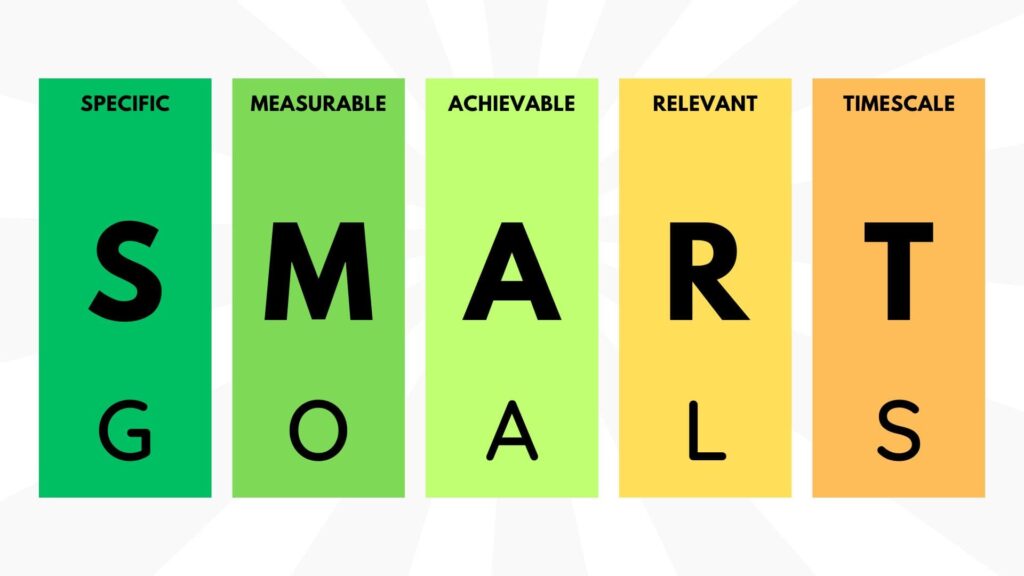
- Specific: Know exactly what you want to achieve. Define the precise outcome you are aiming for. Instead of a vague goal like “I want to make more money,” specify it by stating, “I want to make an extra £1,000 a month by freelancing.”
- Measurable: Have a clear indicator of progress. Set concrete metrics to track your progress. For example, if your goal is to make an extra £1,000 a month, break it down into weekly targets and monitor your earnings to ensure you are on track.
- Achievable: Set goals that are within your capabilities. Be realistic about what you can accomplish. For instance, if you’re working full-time, it might not be feasible to take on five freelance clients at once. Instead, start with one or two, and build from there as you gauge your capacity.
- Relevant: Ensure your goals align with your broader financial plans. Your goal should be in sync with your long-term objectives. If your ultimate aim is financial independence, ensure that the methods you use to make an extra £1,000 a month contribute to that overarching goal, and not detract from it.
- Time-bound: Set a deadline for achieving your goals. Create a sense of urgency by setting a specific deadline. If you aim to make an extra £1,000 a month, establish by what date you want to achieve this. Having a time frame helps to maintain focus and prioritize actions that contribute to your goal.
Tips on How to Get a Big Return on Your £100
Educate Yourself: Knowledge is power. Before diving into any investment or business venture, take the time to educate yourself about the industry, market trends, and best practices.
Being well-informed will enable you to make more intelligent decisions and avoid common pitfalls.
Take Calculated Risks: Don’t be afraid to take risks, but ensure they’re calculated. Taking risks is often necessary for achieving significant financial gains, but it’s important that these risks are not taken blindly.
Weigh the potential benefits against the possible downsides, and make sure that you have a plan for managing the risks involved. For example, having an emergency fund for those rainy days!
Diversify: Don’t put all your eggs in one basket. Putting all your resources into a single investment or business venture can be risky.
By diversifying across different assets or income streams, you reduce the impact if one of them performs poorly. Diversification can be a safety net that can save you from catastrophic losses.
Once you have made some money the next step is how are you going to invest that £1000 to make even more money!
Key takeaways
- £100 is enough to start. The barrier is effort and consistency, not the amount.
- The fastest realistic routes are reselling, freelancing and local services, not investing.
- Left invested at around 8%, £100 alone takes roughly 30 years to reach £1,000, so speed comes from work.
- Pick one method, nail it, then reinvest the profit into the next.
- Avoid anything that needs luck. Get-rich-quick schemes, betting and casinos usually return your money to zero.
FAQs
The realistic UK routes are reselling (buy underpriced items and flip them on Vinted, eBay or Facebook Marketplace), freelancing a skill, or offering a local service like cleaning or dog walking. Each turns effort into cash within weeks to a few months. Investing £100 also works but takes years, so pick an active method if you want speed.
Honestly, almost nobody does this legitimately. The only same-day options are selling something you already own for a profit or getting paid for urgent work. Any video promising £100 into £1,000 in a day relies on gambling or a get-rich-quick scheme, which usually loses the lot. Give yourself weeks, not hours.
It is very hard but possible with a focused service sprint. Line up paid work in advance, charge a premium rate, and deliver flat out over the week. Reselling can also spike if you already have stock ready to list. Without existing skills or stock, a month is far more realistic.
This is the sweet spot. Reselling flips, a run of freelance projects, or a local service at £30 to £50 a job can each clear £1,000 of profit in 30 days if you commit to it. Reinvest early profits into more stock or better tools to speed things up.
Freelancing a skill you already have is usually fastest, because you are paid directly for output. Three or four projects at £250 to £300 gets you there in under two months. Reselling is a close second and needs no prior skill, just an eye for a bargain.
With £500 you only need to double your money, so it is easier than starting at £100. Buy more reselling stock at once, test a small paid ad campaign for a product, or invest it for the long term. The same methods apply, you just reach the target faster because you are starting with more.
Yes, £100 is a great starting point. Many UK apps and robo-advisers let you build a diversified mix of stocks, funds or ETFs, and some accounts open from as little as £1. Investing is a marathon, so start small, contribute regularly, and let compounding do the work over time.
Very much so. Investing £100 a month is often more powerful than a one-off lump sum because you buy in at different prices and compound steadily. At a typical 8% return, £100 a month can grow to tens of thousands over a couple of decades. Consistency beats timing.
Leverage your skills and assets. Take on freelance work, flip high-demand items, sell things you no longer need, or pick up gig-economy jobs like delivery driving. Swift action and a sharp eye for opportunities are what accelerate your earnings.
You genuinely can, through reselling, freelancing, a small business or long-term investing. What is a scam is anything promising to do it overnight with no effort. If a method needs luck rather than work, treat it as a bet, not a plan.
Conclusion
Your £100 holds endless possibilities. From reselling and side hustles to the stock market, a blog or a YouTube channel, the choice is yours. Take this information and get out there. Every big financial win begins with the decision to take the first step. We hope this guide shows you how to finally turn £100 into £1,000.
Share on social media
Disclaimer: Content on this page is for informational purposes and does not constitute financial advice. Always do your own research before making a financially related decision.