You’re not broke because you don’t earn enough.
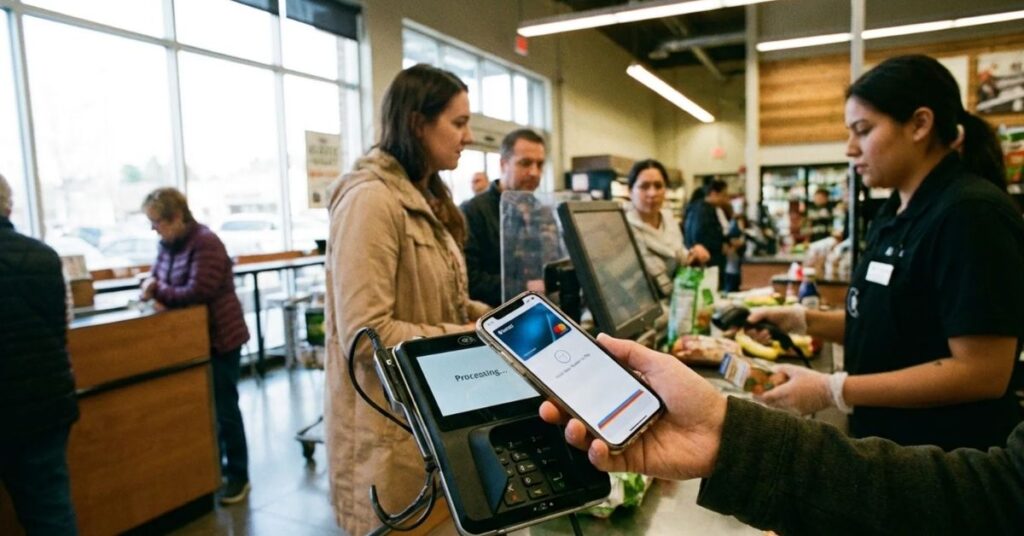
You’re broke because of the daily taps. The contactless payments you don’t even think about.
Coffee. Lunch. Coffee again. Pint. Snacks.
Let me show you exactly what these “small” purchases actually cost over a lifetime.
The Daily Routine
Let’s track a typical workday. Nothing crazy. Just normal spending.
Morning: Coffee – £4
Starbucks. Costa. Pret. Doesn’t matter which.
Medium latte. Maybe a flat white. £3.50-4.50.
You need caffeine to function. It’s just £4. No big deal.
Lunchtime: Food Market – £10
Can’t be bothered with packed lunch. Food market near office.
Meal deal if you’re being “sensible.” Proper hot food if you’re hungry.
£8-12 average. Let’s say £10.
Afternoon: Coffee Again – £4
3pm slump hits. Need another coffee to survive until 5pm.
Another £4. Same place. Same drink.
Barely register the payment. Contactless tap. Done.
After Work: Pint – £7
Friday feeling on a Tuesday. Or actually Friday. Or Monday because Monday was rough.
One pint with colleagues. Maybe two but let’s say one.
£6-8 depending on pub and city. Call it £7.
Way Home: Sweets – £2
Petrol station. Newsagent. Corner shop.
Chocolate bar. Crisps. Something sweet.
£1.50-2.50. Round it to £2.
Daily Total: £27
That’s it. Normal day. Nothing excessive. No fancy dinner. No shopping spree.
Just five contactless payments. £27 gone.

The Yearly Reality
£27 per day doesn’t sound mental. It’s just normal spending.
But work out the yearly number.
The Maths
5 working days per week. 48 weeks per year (accounting for holidays).
That’s 240 working days.
£27 × 240 days = £6,480 per year.
Let’s round to £10,000 because you probably do similar on weekends. Coffee on Saturday. Lunch out on Sunday. Drinks Friday and Saturday nights.
£10,000 per year. Gone. On daily habits.
That’s 25% of a £40,000 salary. After tax, that’s probably 40% of your disposable income.
What £10,000 Actually Buys
Let’s put this in perspective. What could you do with £10,000?
One Year’s Worth
Holiday: Two weeks in Greece. Flights, hotel, spending money. £3,000-4,000.
Emergency fund: Build £10,000 buffer. Complete financial security.
Debt payoff: Clear £10,000 credit card at 19% APR. Save £1,900/year in interest.
Investment: Put £10,000 in Stocks & Shares ISA. Start building wealth.
House deposit: Add £10,000 to deposit fund. Get mortgage £50,000 bigger.
Any of these would be better use of money than unconscious daily spending.
Trading 212 provides access to over 10,000 stocks, funds, ETFs and investment trusts.
They offer commission-free trading* and their auto investing feature is excellent.
OUR OFFER - To get free fractional shares worth up to 100 EUR/GBP, you can open an account with Trading 212 using promo code 'GAINS'. Terms apply
*Other fees may apply. See terms and fees
**When investing, your capital is at risk. If you enable interest, Trading 212 will hold your cash in qualifying money market funds and banks. Otherwise, your cash will be held only in banks. Interest applies on cash in an investment account. Terms apply.
- Commission free trading*
- Earn interest on uninvested cash**
- Fantastic mobile app
- Award winning ISA
- Personal pension
- No Junior ISA
- Fewer research tools than other platforms
The 30-Year Cost
This is where it gets really painful. The opportunity cost over decades.
If You Invested Instead
Take that £10,000 per year. Don’t spend it on daily habits. Invest it.
Global index fund. Historical 8-10% average returns. Let’s use 9% as an example.
£10,000 per year at 9% returns for 30 years.
Total value: £1,522,000.
Wait, the title says £761,000.
That’s because we’re only talking about cutting the spending in half. Not getting rid of weverything that makes you happy.
Meaning contributing £416 a month.
You contributed £150,000 over 30 years (£5,000 × 30).
Growth gave you £611,000.
After Inflation
£761,000 in 30 years won’t buy what £761,000 buys today.
At 2.5% inflation, real purchasing power is about £450,000 in today’s money.
That’s still 4.5x the average UK retirement pot of £100,000.
That’s early retirement money. That’s financial freedom. That’s never worrying about money again.
All from cutting daily habits by half.
The Reality Check
I’m not saying never have coffee. Never buy lunch. Never have a pint.
Life’s for living. Enjoyment matters.
But here’s the thing: if you cut just 50% of this spending, you still enjoy life AND build wealth.
That’s the sweet spot. Balance.
How To Cut It In Half Without Sacrificing Everything
You don’t need monk-level discipline. Just small adjustments.
? Morning Coffee: Cut to 2-3 Days Per Week
Currently: £4 daily. £20/week. £1,040/year.
New habit: Monday, Wednesday, Friday get coffee shop coffee. Tuesday, Thursday make it at home.
Home coffee costs 30p per cup. Three shop coffees at £4 plus two home coffees at 30p equals £12.60/week.
Saved: £7.40/week. £385/year.
You still get coffee shop experience 3 times per week. Still feels like treat. Just not every single day.
? Lunch At Food Market: Meal Prep 2-3 Days Per Week
Currently: £10 daily. £50/week. £2,600/year.
New habit: Meal prep Monday, Tuesday, Thursday. Buy lunch Wednesday, Friday.
Meal prep costs £3-4 per meal. Three prep days at £3.50 plus two bought lunches at £10 equals £30.50/week.
Saved: £19.50/week. £1,014/year.
You still enjoy food market twice weekly. Just not every day. Makes it feel more special.
? Afternoon Coffee: Every Other Day
Currently: £4 daily. £20/week. £1,040/year.
New habit: Ask yourself “do I actually want this or is it just habit?”
Most days, it’s habit. You don’t even enjoy it. You just buy it.
Cut to Monday, Wednesday, Friday only. That’s £12/week instead of £20.
Saved: £8/week. £416/year.
Honestly, you probably don’t even notice the difference. Just break the autopilot.
? Pint After Work: Save For Fridays Or Special Occasions
Currently: Let’s say 3 times per week. £21/week. £1,092/year.
New habit: Friday pints only. Or special occasions. Not random Tuesdays.
One pint Friday: £7/week instead of £21.
Saved: £14/week. £728/year.
Makes Friday pints feel special again. Not just another autopilot habit.
? Sweets On The Way Home: Buy Multipack
Currently: £2 daily. £10/week. £520/year.
New habit: Buy multipack for £3. Get 6 bars. Lasts the week. Keep at home.
£3/week on multipack versus £10/week on daily purchases.
Saved: £7/week. £364/year.
Same sweets. Same satisfaction. 70% cheaper. Just requires thinking ahead.
If £27/day × 240 working days = £6,480, plus weekends probably another £3,520 = £10,000 total.
Cut 50% = £5,000 saved.
Total saved: £5,000/year by cutting 50% of daily habit spending.
What That £5,000 Actually Builds
Let’s look at real timelines. Not just 30-year dream scenarios.
After 5 Years
£5,000/year at 9% returns: £30,800.
You contributed £25,000. Growth gave you £5,800.
That’s house deposit money. Holiday fund. Car replacement fund.
After 10 Years
£5,000/year at 9% returns: £76,000.
You contributed £50,000. Growth gave you £26,000.
That’s serious money. That’s “I can take a year off to retrain” money.
After 20 Years
£5,000/year at 9% returns: £256,000.
You contributed £100,000. Growth gave you £156,000.
That’s “I could retire early if I wanted” money.
After 30 Years
£5,000/year at 9% returns: £761,000.
You contributed £150,000. Growth gave you £611,000.
That’s financial freedom. That’s early retirement. That’s never worrying about money again.
All from cutting daily habits by half. Not eliminating. Just halving.
The Psychology Of Small Purchases
Why do we spend £27/day without thinking but agonize over £300 purchase?
The Pain Threshold
£4 coffee doesn’t hurt. It’s below pain threshold. You don’t even feel it.
£300 TV hurts. You think about it. Consider alternatives. Maybe wait.
But 75 coffees at £4 equals £300. Same money. Zero thinking.
The Contactless Effect
Contactless payment removed friction. No PIN. No signature. No thinking.
Just tap. Gone. Barely registered.
Studies show contactless increases spending by 20-30% versus cash.
Because you don’t feel the payment. It’s invisible.
The Autopilot Trap
You don’t decide to buy coffee each morning. You just buy it.
Same route to work. Same stop. Same drink. Same tap. Autopilot.
Breaking autopilot requires conscious effort. That’s why most people never do it.
The Defence Mechanisms
People get defensive about daily spending. Let me address the common arguments.
“But I Deserve It”
You work hard. You deserve treat. Absolutely true.
But does treating yourself every single day make it special? Or does it make it meaningless?
Three coffee shop coffees per week feels like treat. Five feels like autopilot.
“It’s Only £4”
Right. It’s only £4. But it’s £4 five times per day. That’s £20 daily.
“It’s only £20” per day. But that’s £140 per week. £7,280 per year.
“It’s only” compounds into massive number really fast.
“Life’s For Living”
100% agree. Life is for living.
But is buying the same coffee from the same place every day “living”? Or is it just existing?
Real living is the holiday you couldn’t afford. The career change you couldn’t risk. The early retirement you couldn’t achieve.
Because you spent £761,000 on autopilot habits over 30 years.
“I’ll Just Earn More”
Maybe. But lifestyle inflation is real.
Earn £40,000, spend £27/day on habits. Earn £60,000, somehow spend £40/day on habits.
Income goes up. Spending goes up. Wealth stays flat.
Earning more is great. But if spending increases proportionally, you never build wealth.
The Bottom Line
Your daily routine costs £27. That’s £10,000 per year.
You probably don’t even enjoy most of it. It’s just autopilot.
Cut it by 50%. Save £5,000 per year. Still enjoy life. Just be intentional.
Invest that £5,000 annually at 9% returns for 30 years: £761,000.
After inflation, that’s £450,000 in today’s money. That’s 4.5x average UK retirement pot.
The choice:
Keep spending £27 daily on autopilot. Retire at 68 on state pension. Work until you physically can’t.
Or cut spending to £13.50 daily. Build £761,000. Retire at 55. Financial freedom.
Same enjoyment of life. Just more intentional. That’s the difference.
Start today. Not tomorrow. Today.
Make coffee at home tomorrow. Meal prep for Tuesday. Skip the afternoon coffee.
Small changes. Sustained over decades. Life-changing results.
Your future self will thank you. From their £761,000 portfolio. Built from daily coffee money.
That’s how daily habits either build wealth or destroy it. Your choice.
If you found this interesting, please share!
Disclaimer: Content on this page is for informational purposes and does not constitute financial advice. Always do your own research before making a financially related decision.