
Sammie Ellard-King
I’m Sammie, a money expert and business owner passionate about helping you take control of your wallet. My mission with Up the Gains is to create a safe space to help improve your finances, cut your costs and make you feel good while doing it.
The consultation on tourist taxes for England has now closed, with the government set to decide which cities and regions will be allowed to charge visitors for overnight stays.
The 12-week consultation ended on February 18th, and English mayors are set to get new powers that will allow them to impose a “modest” levy on overnight stays in hotels, Airbnbs, B&Bs and guesthouses.
There are more than 130 million overnight stays in England each year, which would be liable for the charge if it were to be introduced.

How Will the Tourist Tax Work?
Under the plans, English mayors will be given powers to charge a levy on overnight stays.
It will apply to tourists staying in hotels, holiday lets from platforms like Airbnb, and B&Bs and guesthouses.
It’s likely it will be included in final bills as a separate charge.
All visitors, regardless of nationality, will have to pay it.

More news:


How Much Will It Cost?
We don’t know yet.
The consultation considered how expensive it might be, but it’s likely to be no more than a few pounds a night.
For comparison, Edinburgh’s tourist tax is set to be 5% of the net cost of accommodation, capped at five nights.
Wales plans to charge up to £1.30 per night per person.
Which UK Cities Already Have a Tourist Tax?
Some city councils had already introduced a form of tourist tax via a legal workaround using an Accommodation Business Improvement District (ABID).
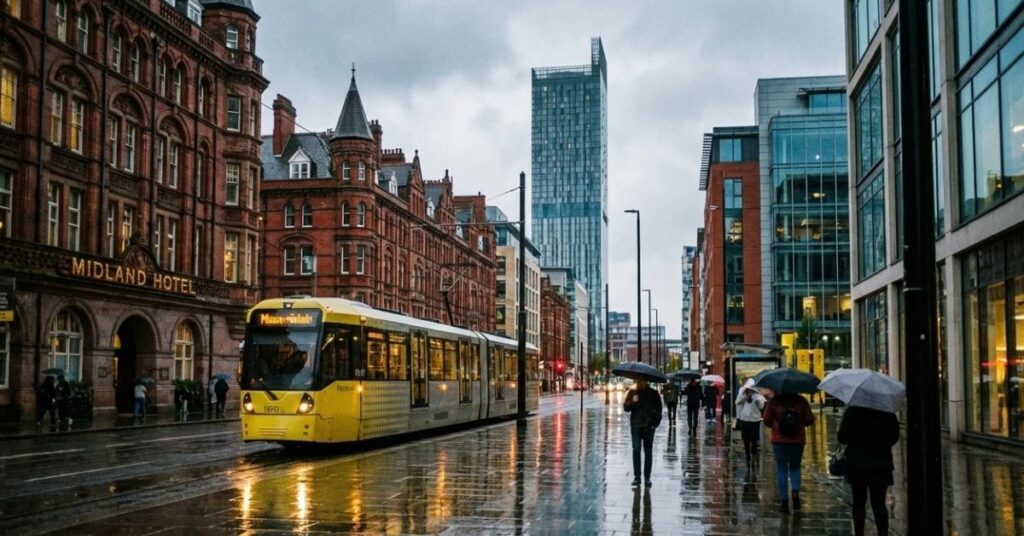
Manchester: Guests staying in paid accommodation within the Manchester ABID zone pay an additional £1 per room, per night. The levy applies to hotels and serviced apartments with a rateable value of £75,000 or more.
Manchester ABID says the levy has been “warmly welcomed” by guests and accommodation providers, with funds used to support bids for awards ceremonies and sports events. The levy has raised £2.8 million so far.
Liverpool: As of June 2025, guests staying in around 100 Liverpool ABID hotels pay a £2 per night fee. The group says this will bring in £9.2 million over two years, of which £6.7 million will go towards supporting the city’s visitor economy.
Bill Addy, CEO of Liverpool BID Company, said that after the levy was introduced, Liverpool had the best July on record in terms of room bookings.
Other tourism BIDs exist in Blackpool, Great Yarmouth, Tweed Valley, Moray & Speyside, and Loch Ness.

What About Scotland and Wales?
Scotland: Edinburgh became the first UK city to vote for an official tourist tax. From July 2026, visitors will pay a 5% surcharge on overnight stays, capped at seven consecutive days.
Glasgow will also have a 5% overnight accommodation levy from January 2027, while Aberdeen will have a 7% levy from April 2027.
Wales: Wales will implement a visitor levy from April 2027 at the earliest. Visitors staying in campsites and hostels will be charged 75p per person per night, while all other accommodation will have a £1.30 charge per person per night.
Each of Wales’ 22 councils will decide whether to introduce the levy at all.
Who Supports the Tourist Tax?
Mayor of London Sadiq Khan said giving mayors the power to raise a tourist levy is “great news for London.”
“The extra funding will directly support London’s economy, and help cement our reputation as a global tourism and business destination,” he said.
Liverpool mayor Steve Rotheram said: “Our visitor economy is worth more than £6 billion a year and supports over 55,000 local jobs. I’m pleased that the government has listened and acted.”
Mayor of Greater Manchester Andy Burnham added: “The levy will allow us to invest in the infrastructure these visitors need, like keeping our streets clean and enhancing our public transport system through later running buses and trams.”
When Will It Come Into Effect?
Not for a while. The consultation has just closed, and the English Devolution and Community Empowerment Bill is still going through parliament.
For now, only Manchester and Liverpool have tourist taxes in place through their ABID schemes. Edinburgh will be the first UK city to implement an official tourist tax in July 2026.
The government will now review the consultation responses before deciding which English cities and regions will be given the power to charge visitors.
If you found this interesting, please share!
Disclaimer: Content on this page is for informational purposes and does not constitute financial advice. Always do your own research before making a financially related decision.