
Sammie Ellard-King
I’m Sammie, a money expert and business owner passionate about helping you take control of your wallet. My mission with Up the Gains is to create a safe space to help improve your finances, cut your costs and make you feel good while doing it.
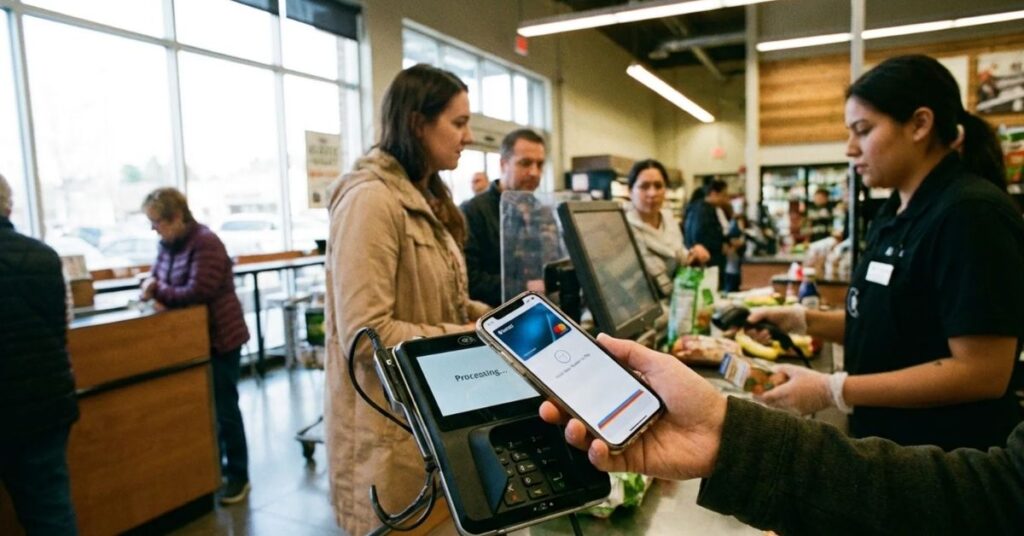
Major contactless card changes come into force on March 19th, but fewer than half of UK banks currently let customers set their own contactless limit.
Defaqto conducted research ahead of rule changes that will allow banks to set higher contactless card limits beyond the existing ceiling of £100 per transaction, should they wish to.
The research found that only 13 of the 31 (42%) banks and building societies assessed allow customers to set their own contactless card limit.
Meanwhile, 21 (68%) permit users to freeze contactless payments.

What's Changing From March 19th?
The contactless payment rule changes are being implemented by the Financial Conduct Authority (FCA). They will allow banks to set higher contactless card limits beyond the existing £100 cap if they want to.
Financial institutions are also being urged to let customers set their own limit, or switch off contactless entirely, as many high street banks already do.
More news:



Will the £100 Limit Actually Increase?
Probably not immediately. Banking and finance industry body UK Finance stated in December that whilst it doesn’t anticipate any immediate change to the £100 contactless limit, “any changes made in the future will be done carefully and ensure strong security and fraud controls remain in place.”
The FCA has also indicated that, based on industry feedback, it expects most banks will continue to maintain the £100 limit for the foreseeable future.
So What's the Point of the Changes?
The purpose is to enable banks to respond more effectively to evolving consumer demands, inflation and emerging technology.
As inflation continues, £100 buys less than it did when the limit was set. The rule change gives banks flexibility to adjust in future without needing new regulations.
What About Fraud Protection?
Existing safeguards remain firmly in place. Consumers must be reimbursed in cases of unauthorised fraud, such as when a card is lost or stolen.
This protection doesn’t change with the new rules.
Which Banks Let You Set Your Own Limit?
Defaqto’s analysis found considerable variation in the money management tools that banks currently make available.
Only 13 out of 31 banks and building societies assessed allow customers to set their own contactless card limit. The research doesn’t name which banks offer this feature and which don’t.
Katie Brain, banking expert at Defaqto, said: “With the contactless cap being removed, choosing a bank or building society with the right in-app controls could make a real difference to how easily people manage their money.”

How to Keep Control of Your Contactless Spending
Defaqto suggests several ways to maintain control:
Check upcoming payments: Some apps let you see upcoming direct debits and standing orders, helping you understand how much money you’ll have left.
Categorise spending: Many apps sort spending into categories. Some let you create your own. This makes it easier to spot where money is going and where you could cut back.
Set a personal contactless threshold: If your bank offers this feature, it can serve as a spending checkpoint, requiring a PIN for larger transactions.
Activate notifications: Balance and transaction notifications can help keep you informed of money entering and leaving your account, potentially helping avoid overspending.
Restrict certain categories: Some banks let you block particular transactions, such as gambling payments, through the app, by telephone or at a branch.
If you found this interesting, please share!
Disclaimer: Content on this page is for informational purposes and does not constitute financial advice. Always do your own research before making a financially related decision.