Published 20 February 2026. This is a news story from that day, so some details may have changed since.
The DVLA has issued a fresh car tax warning to every motorist in the UK ahead of petrol, diesel and electric Vehicle Excise Duty (VED) updates this April.
Officials have reminded drivers to renew their road tax immediately, telling road users to “do it now.”
The message comes just weeks before major road tax updates will come into effect for almost all petrol, diesel and electric vehicles, which will add up to £200 extra to bills.
You can tax your vehicle online 24 hours a day, 7 days a week on Open the link
— Driver and Vehicle Licensing Agency (@DVLAgovuk) February 17, 2026
Do it now. #TaxItDontRiskIt #DVLADigital pic.twitter.com/rZ3lMniZZj
What Did the DVLA Say?
Posting on X, the DVLA said: “You can tax your vehicle online 24 hours a day, 7 days a week on gov.uk/dvla/tax. Do it now. #TaxItDontRiskIt #DVLADigital.”
Road tax is a legal requirement to get behind the wheel and use Britain’s roads and must be renewed every year.
VED price rises will come into effect on April 1, 2026.
Exact price rises vary depending on the date your car was registered.
More news:
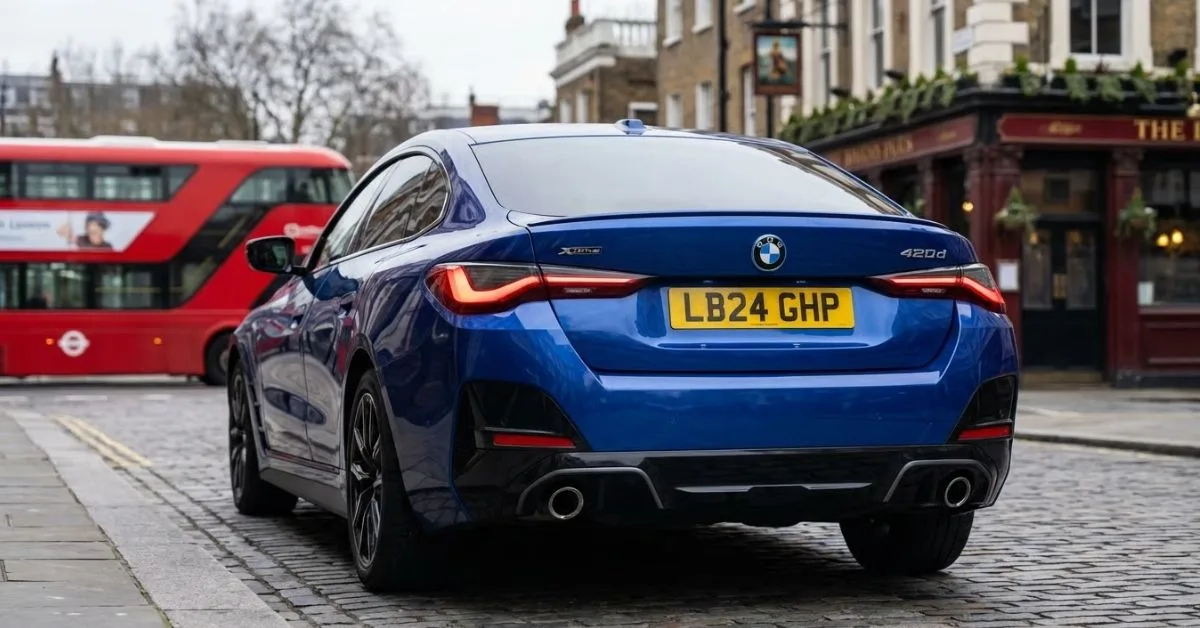
Cars Registered After April 2017
Vehicles built after April 2017 are charged the standard VED rate, rising from £195 to £200 per annum.
First-year rates for brand new vehicles are set to rise dramatically, with bills for the most polluting models up £200:
- Cars emitting over 255g/km of CO2 will rise from £5,490 to £5,690
- Vehicles producing between 226 and 255g/km of CO2 will jump from £4,680 to £4,850
Cars Registered Between 2001 and 2017
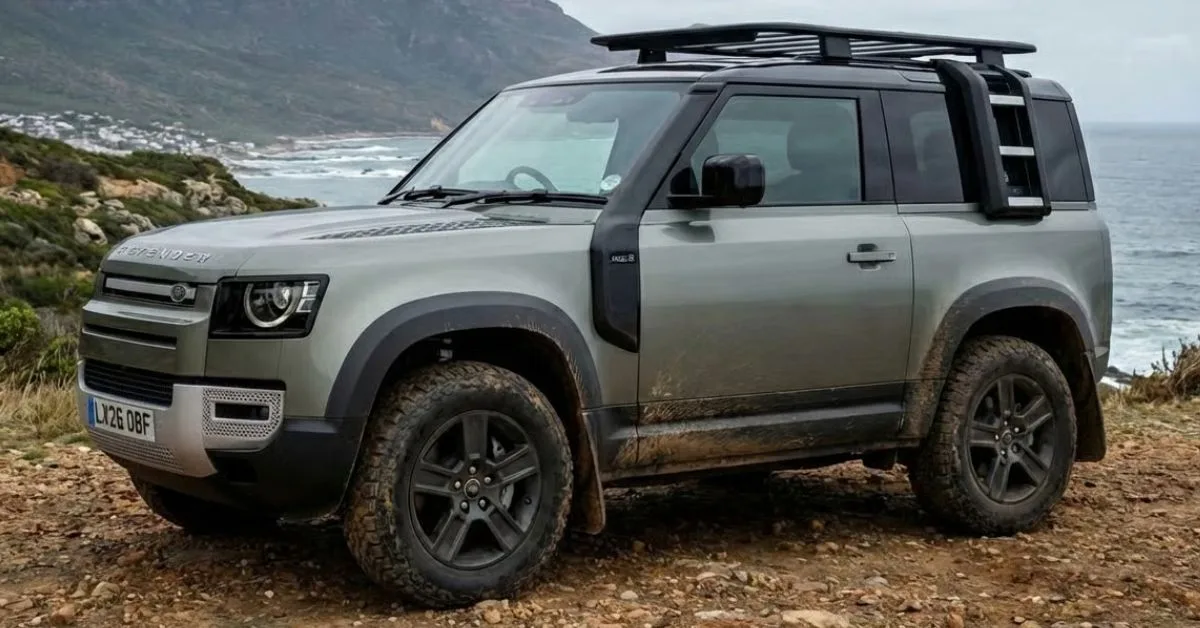
Cars registered from 2001 to 2017 also face price hikes, with rates dependent on total vehicle emissions produced.
Vehicles in Band M emitting over 355g/km of CO2 will pay £790 from 2026, up from the current £760 charge.
Prices increase across the board:
- £25 rises for cars in Band L
- £15 increases for those in Bands I, J and K
Cars Registered Before 2001
Cars registered before 2001 also face hikes, with bills rising up to £15 depending on the size of the vehicle engine.
- Engines producing 1,549cc and below are up from £220 to £230
- Larger vehicles will pay £375, up from £360
Classic cars first registered before 1986 are set to be exempt from tax fees due to rolling historic vehicle tax exemption rules.
If you found this interesting, please share!
Disclaimer: Content on this page is for informational purposes and does not constitute financial advice. Always do your own research before making a financially related decision.