How To Save Money And Not Spend It: 6 Proven Ways

how to save money and not spend it

You get paid. You save some. Then somehow, by the 20th of the month, it’s gone.

Sound familiar? You’re not alone, and it’s not really about willpower.

Here are 6 ways to actually keep the money you save.

The short answer: to save money and not spend it, separate your savings from your spending money so you can’t see or touch it day to day. Automate a transfer the moment you get paid, before you can spend it. Then make that money harder to reach: a savings account, not your debit card.

Table of Contents

How can I save money?

Right, the hard truth first: you need to spend less than you earn. I know, I know, easier said than done.

It’s not just about cutting your daily coffee. It’s about your money mindset and putting a system in place so you don’t have to rely on willpower every single day.

Below are 6 ways that have worked for me and thousands of our readers, plus the best apps for saving money to make it automatic.

None of this needs to be complicated. Small, boring, repeatable systems beat one big burst of motivation every time.

1. Three banks, not one

I used to be the guy stood at the till, frantically transferring money from savings to current account before my card got declined. Good intentions, wrong system.

Split your money across three accounts and you take the decision out of your hands:

  • An everyday spending account. The only one with a card or app attached. Bills, rent, food, fun, all from here.
  • A savings account you can’t easily touch, like a Cash ISA. Make it a faff to access. If you have to think twice, you’ll probably decide not to buy.
  • An investment account. Savings lose value to inflation if they just sit there.

You can’t withdraw straight from a Stocks and Shares ISA to your card, so use one. You get up to £20,000 a year tax-free, with no capital gains tax to worry about either. More on investing in tip 6.

The magic here isn’t the accounts themselves, it’s the friction. Every extra step between you and your savings is a chance to change your mind.

save money and not spend it

2. Pay yourself first

The moment you get paid, pay yourself first. Move roughly 30% straight into your savings and investment accounts before you touch anything else.

Whatever’s left is yours to spend, guilt-free. You’ve already done the hard bit.

If you’re in debt, this changes slightly: pay that first, then bills. More on managing debt next.

Saving for something important?


Let the latest technology help get you there with the best money savings apps.
3. Record your expenses

You can’t fix what you don’t measure. Track your spending for one month, everything, right down to the coffee run.

List it all against what you earn. You’ll spot the fat straight away.

If you’ve got a partner, budget jointly through one shared account (this is your “account 1” from tip one).

Use our free budgeting calculator to set up a basic budget in minutes.

Doing this by hand once a month is enough to keep you honest. A lot of banking apps will now do the categorising for you, which makes it even less of a chore.

Want an app that does this bit for you?

Gains App handles budgeting, goals and cashback in one place, and it’s free. Our users get back an average of £1,091 a year without changing much at all.

Get Gains App free

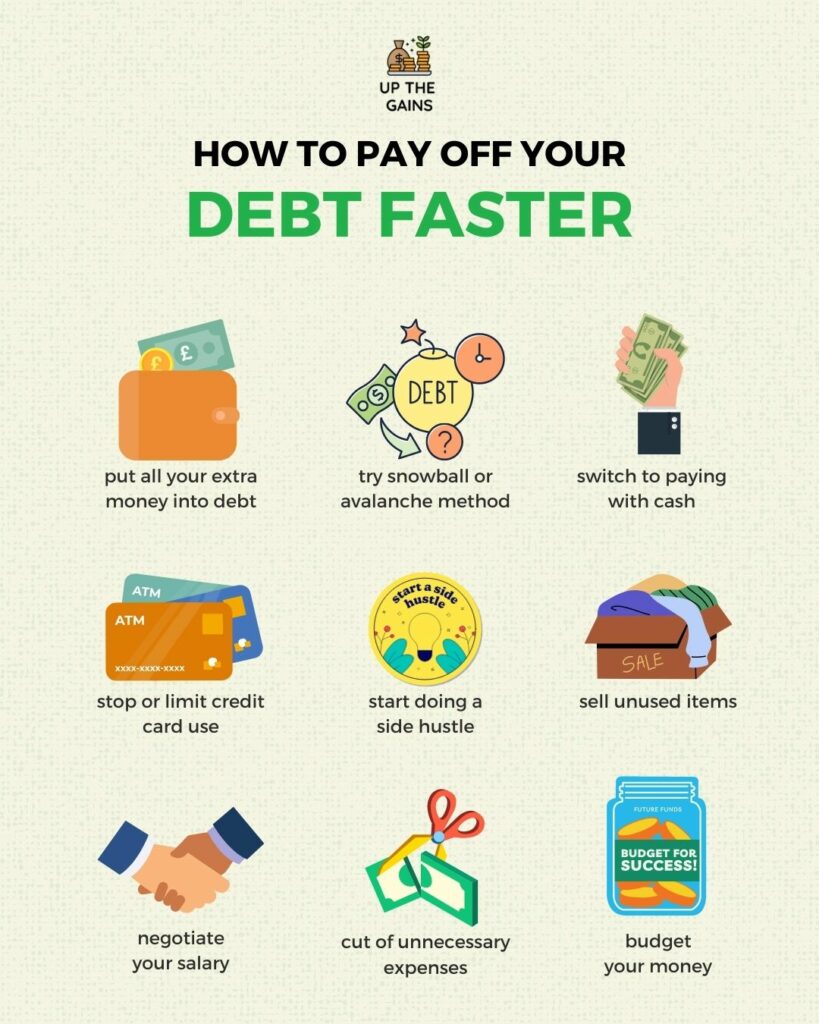
4. Managing debt

If you’re in debt, this is usually what’s blocking you from saving. Credit cards, buy now pay later, payday loans: easy to get into, brutal to get out of.

Unpaid debt can wreck your credit score, and in some cases even cost you a mortgage or a rental property.

My own story started with £24,000 of debt from university. I was living payslip to payslip, losing hundreds a month to interest.

What turned it around was targeting the highest-interest debt first. Pay the minimum on everything else, and throw everything you can at that one. Once it’s gone, the next one clears faster, and so does the one after that. It’s tough for a few months. It’s also genuinely liberating.

how to pay off your debt faster

5. Emergency funds

An emergency fund is there for when life throws a curveball. Aim for 3-6 months of essential outgoings, built up gradually.

I use Monzo pots with round-ups: every purchase gets rounded up to the nearest pound, and the spare change goes straight into my pot without me noticing.

In under six months, I’d built up £295 just from round-ups. Barely felt it.

Only dip into it for genuine emergencies: a boiler, not a bargain. Everything else stays untouched until you actually need it.

Saving for something important?


Let the latest technology help get you there with the best money savings apps.
6. Start investing

Saving is important, but investing is what makes your money work harder. Over the long term (think 10+ years), investing can return 7-8% a year versus cash sat doing nothing.

A robo-advisor or financial advisor will pick investments for you, for a fee. Or go it alone with an app like Freetrade or Plum, once you’ve done your homework.

The single biggest factor isn’t picking the perfect fund, it’s starting. Time in the market does most of the heavy lifting, so the earlier you begin, the less you need to put in later.

Quick wins for impulse spending

Half of overspending isn’t logic, it’s psychology. Stress spending is real: our brains use “treat yourself” purchases as a quick dopamine hit when we’re overwhelmed, tired, or avoiding something harder.

You don’t need more willpower. You need fewer opportunities to give in without thinking.

  • Delete saved card details from shopping apps and browsers. Friction works.
  • Unsubscribe from marketing emails. You can’t be tempted by a sale you never see.
  • Use the 24-hour rule. See something you want? Wait a day. Most urges fade.
  • Try a no-spend challenge. Pick a week or a month, spend only on essentials, and see how much you save without trying.

I put this exact system to work myself: here’s how I saved £10k after being £24k in debt.

Our top two savings apps

saving and spending tips

Plum

Plum connects to your banks and gives you a real-time view of your money. It automatically works out what you can afford to save or invest each month, and does it for you.

You can invest from just £1, and it comes with fun extras like round-ups, 52-week challenges and savings goals. Upgrade to Plum Plus or Pro for more.

Best For Combined Saving & Investing
Plum - Saving & Investing App
4.8

What an app! I utilise their smart AI to set money aside automatically every payday!

You can earn up to 3.63% AER with their Easy Access Interest Pocket, and begin investing in up to 3000 stocks and funds from as little as £1.

Pros:
  • Auto save and invest
  • Savings pots with interest
  • Low fees in comparison to Chip
  • ISAs, SIPPs and savings accounts available
  • Easy to use mobile app
Cons:
  • Best saving interest rates hidden behind paywalls
  • Tiered fee levels to access all investment options

If you invest your capital is at risk. T&C's Apply. Plum’s Interest Pockets are provided by Investec Bank Plc.

Chip

Chip is similar to Plum and just as good. It connects to your banks, analyses your spending, and its AI auto-saves and auto-invests for you, adjusting daily.

Its standout feature: it hunts down the best savings rates on the market and connects the account straight to your Chip dashboard. Read our full Chip review.

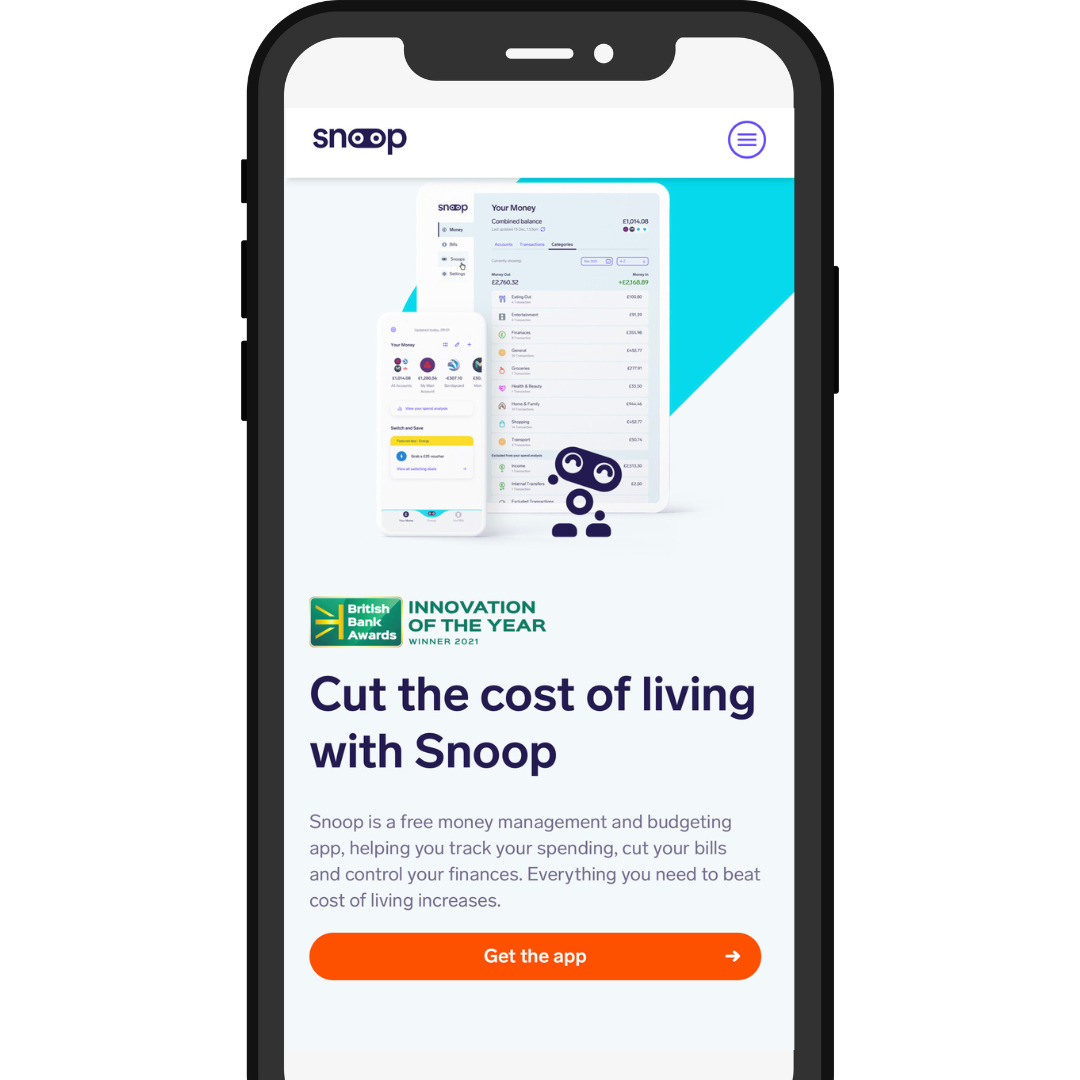
Other apps worth a look: Snoop, Money Dashboard, Revolut.

Best For High Interest Savings
Chip
4.5

Up to 3.81% Interest Rates On Easy Access Savings Accounts. Automatically build your wealth using smart AI.

Pros:
  • Award winning mobile app
  • Save automatically with AI
  • Save loose change with their roundup feature
  • Invest in funds and stocks
Cons:
  • Can only link one bank account
  • Withdrawals could be quicker
  • No personal pension
Download Chip Our Review
Your capital is at risk if you invest.

FAQs

How can I save money and not spend it?

Keep your savings physically separate from your spending money. Automate a transfer to a savings account on payday, before you see the cash, and make that account hard to access day to day. Out of sight, out of reach, means it stays saved.

What is the 50/30/20 rule?

It’s a simple budgeting split: 50% of your take-home pay covers essentials like rent and bills, 30% covers lifestyle spending, and 20% goes to savings, investments or debt repayment. It’s a starting point, not a strict rule.

Why can't I stop spending money?

Spending often triggers a small dopamine hit, the same reward chemical linked to other pleasurable habits. Constant adverts and one-click checkout make it worse. Recognising the trigger is the first step to breaking the pattern.

Why do I spend money when I'm stressed?

Stress spending is a coping mechanism. Buying something gives a short-term sense of control or comfort when everything else feels chaotic. It works in the moment, but it doesn’t fix the stress, it just adds a bill.

How do I stop impulse spending?

Add friction: delete saved card details from shopping apps, unsubscribe from marketing emails, and use a 24-hour rule before any non-essential buy. If you still want it tomorrow, it was probably worth it.

What is a no-spend challenge?

A no-spend challenge is a set period, a week or a month, where you only spend on true essentials: rent, bills, food. It resets your spending habits fast and shows you exactly how much “extra” you were spending without noticing.

How much money should I save each month?

Aim for at least 20% of your take-home pay if you can, in line with the 50/30/20 rule. £200 a month is a solid start for many UK earners, especially if you’re building an emergency fund. Consistency matters more than the amount.

How can I save money on a tight budget?

Track every expense for a month to find the fat. Switch to generic brands, cook at home, and use cashback or discount apps. Even £5 a week adds up, and small consistent habits beat one big cutback that doesn’t last.

What is the biggest money waster?

For most people it’s unused subscriptions and forgotten direct debits: streaming services, apps and memberships nobody remembers signing up for. Check your bank statement for anything you haven’t used in the last month and cancel it.

How do I save money if I have ADHD?

Automate everything you can so saving doesn’t rely on remembering or deciding in the moment. Standing orders on payday, savings accounts you can’t easily see, and apps with round-ups all remove the need for daily willpower. This isn’t medical advice, just what tends to help.

Conclusion

Saving money isn’t about willpower, it’s about building a system that does the hard work for you. Split your accounts, automate the transfer, track what you spend, and make impulse buying that little bit harder.

Start with one tip this week. Small changes compound fast.

Want it all handled automatically? Get Gains App free and let it sort your budgeting, goals and cashback while you get on with your life.

Share this article with friends

Facebook
Twitter
LinkedIn
Email
WhatsApp
X

Disclaimer: Content on this page is for informational purposes and does not constitute financial advice. Always do your own research before making a financially related decision.

Scroll to Top