
To turn £50,000 into £100,000, it requires a combination of strategic investing, diversification, and a long-term perspective.
Consider a mix of high-growth investments, such as stocks or funds with solid growth potential, while balancing the risk with more stable options like bonds or real estate.
Regularly contribute to your investment portfolio and reinvest any earnings to harness the power of compounding.
Stay informed about market trends, seek professional advice when needed, and remain disciplined in your investment approach.
Remember, achieving this financial milestone takes time, patience, and a proactive mindset, but with careful planning and smart investment choices, it’s possible to double your initial capital.
Are you wondering how to turn 50k into 100k? Perhaps you’ve just come into some money and are wondering how to grow it.
Well, my friends you’ve come to the right place.
I can show you how I’ve used a combination of these techniques to help grow my wealth from 50k into 100k.
Buckle up, it’s about to get real!
Table of Contents
How to turn 50k into 100k?
My personal finance game levelled up using a handful of these below. Personally, I used a combination of small businesses, stocks, ETFs and retail arbitrage to help me get from 50k to 100k.
Essentially I used the same steps I took to turn 1k into 10k and then to turn 10k into 100k.

Before You Invest: Important Preparations
Before diving into the world of investing, it’s crucial to lay a strong foundation for your financial well-being.
What are your financial priorities and how do they align with any potential investment strategies?
Here are some key steps to take before investing your hard-earned money:
1. Pay Off Debt
Before considering investments, it’s wise to prioritise paying off high-interest debts, such as credit card balances or personal loans.
Debt can erode your financial stability and make it challenging to generate meaningful returns on your investments.

2. Build an Emergency Fund
Creating an emergency fund is essential to protect your investments and provide a safety net in times of unexpected financial challenges.
Aim to save three to six months’ worth of living expenses in a separate, easily accessible account. This fund provides a buffer against emergencies, so you won’t have to liquidate your investments prematurely.
3. Understand Your Risk Tolerance
Investing involves inherent risks, and understanding your risk tolerance is crucial for making informed investment decisions. Assess your financial goals, time horizon, and comfort level with volatility.
Conservative investors may opt for less volatile investments with lower potential returns, while those comfortable with risk may pursue higher-growth investments. Aligning your risk tolerance with your investment strategy can help you navigate market fluctuations more effectively.
4. Create an Investment Strategy
Developing an investment strategy is vital for long-term success. Define your financial goals, whether it’s retirement, buying a home, or funding education.
Determine the time horizon for each goal and assess the amount of risk you’re willing to accept. Consider diversification by investing in different asset classes to reduce risk.
What you need to understand is that wealth building in your 20s and 30s looks very different to wealth building in your 40s. The time horizon is different and usually so is your risk tolerance.
Here are 14 ways you can do it. All are tried and tested by both myself and the experts to give you the best chance of doubling your money.
Start a Business

Expected Earnings: Varies widely based on the type of business and its success; potential for significant profits but also risks.
Difficulty: High, requires thorough market research, planning, and execution.
Length of Time: This can vary, and typically requires several years to establish and grow a successful business.
Reasoning: Starting your own business can be a rewarding way to multiply your initial investment. By identifying a profitable niche, developing a solid business plan, and executing effective marketing and sales strategies, you can generate substantial income.
A successful business idea can provide both passive and active income streams, depending on its nature and scalability.
There are many different types of businesses for example you could have a service-based business or your own online business. What arena you decide to play in and what you sell is totally up to you!
To Put It Into Practice:
Identify a viable business idea by analysing market trends, consumer needs, and competition.
Create a comprehensive business plan, including financial projections, marketing strategies, and operations.
Secure necessary funding, either through self-financing, loans, or investors.
Execute your business plan, continually adapt to market dynamics, and provide excellent products or services to customers.
Invest in Stocks
Expected Earnings: Varies widely based on market performance and individual stock selection; historically, stock market returns have averaged around 7% to 10% annually.
Difficulty: Medium to high, requires research, analysis, and understanding
Length of Time: 5-10 years or longer for substantial growth.
Reasoning: Investing in stocks offers the potential for long-term capital appreciation and the power of compounding.
By carefully selecting individual stocks you can participate in the growth of successful companies and benefit from their increasing stock prices over time.
There are different types of stocks to choose for example there are dividend-paying stocks which you could look to hold for the regular dividends they pay out. Alongside this, there are growth stocks, blue chip stocks and value stocks all to look out for.
Don’t let that overwhelm you. Mature investors will have a wider understanding of these but as you learn about alternative asset classes you can develop a more comprehensive investment strategy.
Once you start investing you also harness the power of compound interest and by regularly contributing to your investment pot your gains can compound over time.
The stock market, though subject to volatility, has historically provided attractive returns for patient investors.
To Put It Into Practice:
Research and educate yourself about the stock exchange, including fundamental and technical analysis techniques.
Consider diversifying your investment by investing in a mix of individual stocks from different industries or investing in low-cost index funds.
Regularly monitor your investments, stay informed about market trends, and consider consulting with a financial advisor to fine-tune your investment strategy.
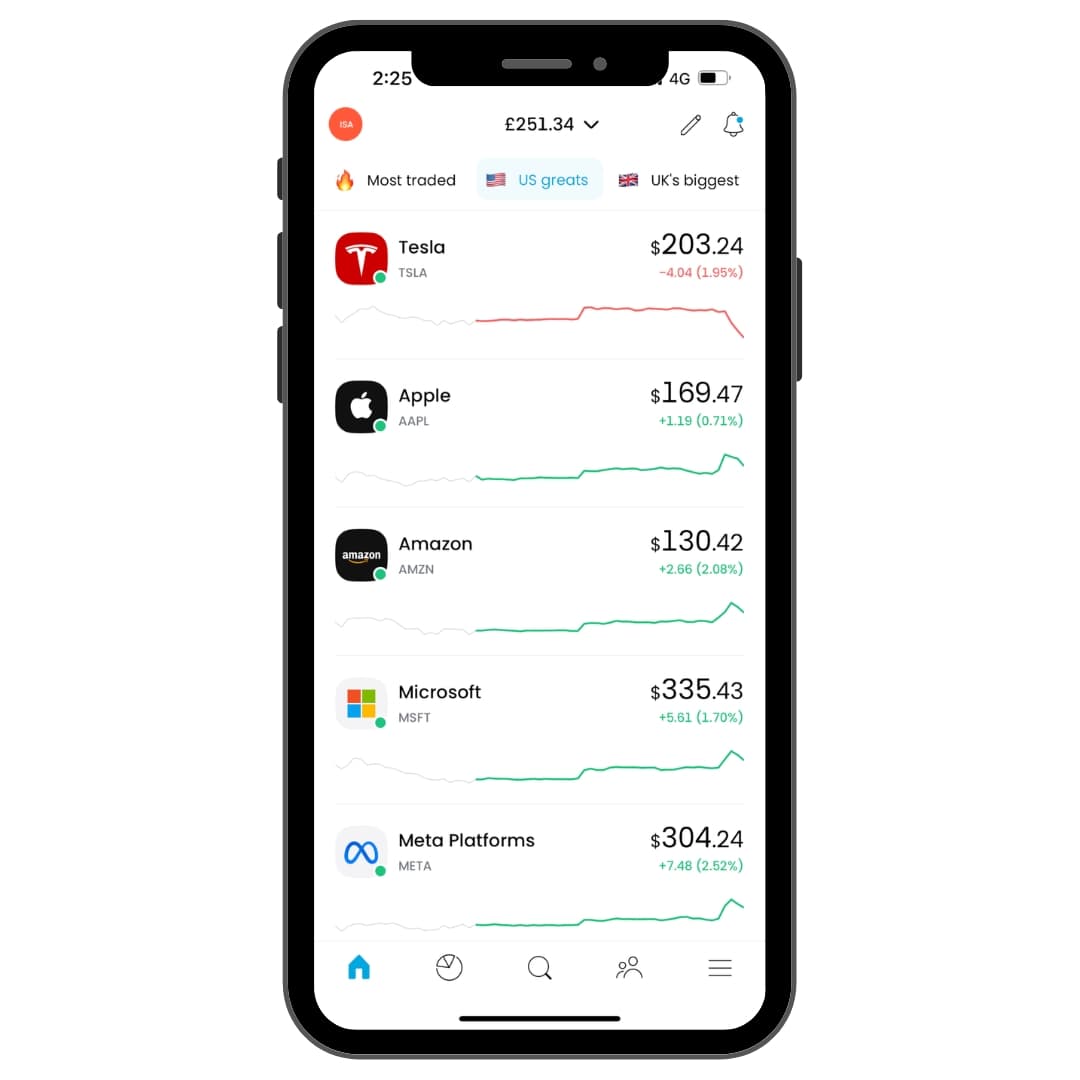
Stop waiting and start investing with the best UK investing apps on the market right now.
We've covered all levels with expert managed and DIY options available.
Invest in ETFs or Index Funds
Expected Earnings: Varies based on the performance of the underlying index or market sector; historically, ETFs and index funds have provided average returns of 7% to 10% annually.
Difficulty: Low, as ETFs and index funds offer diversified exposure to the market without the need for active management.
Length of Time: Long-term investment; best results achieved over several years or decades.
Reasoning: Investing in ETFs (Exchange-Traded Funds) or index funds can be a straightforward way to gain exposure to a broad range of stocks or assets.
These funds aim to replicate the performance of a specific index, market sector, or asset class. By investing in index funds or ETFs, you can diversify your portfolio, minimise risk, and potentially achieve market returns.
What differs between ETFs and an index fund is that ETFs are what’s called an actively managed fund whereas an Index fund tracks a market index like the S&P500 or FTSE250.
To Put It Into Practice:
Research and select ETFs or index funds that align with your investment goals and risk tolerance.
Open an investment account with a reputable brokerage or financial institution – Check out the Best ETF Brokers.
Determine the amount of your investment and set up automatic contributions for consistent investing.
Monitor and rebalance your portfolio periodically to maintain the desired asset allocation.
No buying and selling fees on their DIY portfolios for 700+ exchange-traded funds from iShares, Vanguard and Blackrock.
- One of the lowest fees on the market
- Brilliant for beginners and seasoned investors
- Fantastic customer service - 4.7/5 TrustPilot Score
- ISAs available
- Not for individual stock pickers

Invest in Mutual Funds
Expected Earnings: Varies based on the performance of the underlying assets; historical returns have ranged from 5% to 12% annually, depending on the fund type.
Difficulty: Low, as mutual funds are professionally managed and offer diversification across various securities.
Length of Time: Long-term investment; best results achieved over several years or decades.
Reasoning: Investing in mutual funds allows individuals to pool their money with other investors to gain access to a diversified portfolio managed by professional fund managers.
Mutual funds offer exposure to various asset classes, such as stocks, bonds, or a combination of both. This diversification helps to mitigate risk and provides an opportunity to earn competitive returns over the long term.
To Put It Into Practice:
Determine your investment goals, risk tolerance, and time horizon to choose the appropriate type of mutual fund.
Research reputable fund management companies and compare their track records, fees, and fund strategies.
Open an investment account with a chosen provider and select the mutual fund(s) that align with your investment objectives.
Regularly review the performance of your mutual funds and consider rebalancing if necessary, to ensure your investments remain in line with your goals.

Real Estate Investment
Expected Earnings: Varies based on property location, rental demand, and expenses; rental income can range from 4% to 10% annually, and property appreciation can further enhance returns.
Difficulty: Medium to high, requires knowledge of the real estate market, property management skills, and capital for down payments.
Length of Time: Long-term investment; rental income and property value appreciation can accumulate over several years.
Reasoning: Real estate investing can be a lucrative strategy to grow your wealth. By purchasing a rental property or investing in real estate investment trusts (REITs), you can generate passive income through rental payments and potentially benefit from property value appreciation.
Real estate has the advantage of being a tangible asset with the potential for consistent cash flow and long-term wealth accumulation.
Real estate investors are constantly on the hunt for opportunities and as you take on an investment property you can generate cash flow for further investments.
It’s important to do your own research and understand what you are buying!
To Put It Into Practice:
Research different real estate markets to identify locations with strong rental demand and potential for property value appreciation.
Determine your investment strategy – whether to invest directly in rental properties or through REITs.
Conduct thorough due diligence on properties, including analysing cash flow potential, property condition, and local regulations.
Consider property management options or be prepared to take on property management responsibilities yourself.
Start a Blog
Expected Earnings: £1000-£5000 or more per month
Difficulty: Medium, requires consistent content creation, marketing, and building an audience.
Length of Time: Can take several months to years to build a substantial readership and income.
Reasoning: Blogging offers a platform to share your expertise, passions, and interests while potentially generating income.
By consistently creating valuable content, attracting a loyal readership, and monetising through ads, sponsored content, and affiliate marketing, you can earn income from a blog.
Successful bloggers are making money in so many different niches. Essentially if there’s search volume on Google then there’s money to be made.
To Put It Into Practice:
Choose a niche that aligns with your interests and has a target audience.
Set up a blog using a user-friendly platform, and invest in a professional design and reliable hosting.
Create high-quality content on a regular basis, focusing on providing value to your audience.
Promote your blog through social media, guest posting, and effective SEO strategies.
Retail Arbitrage
Expected Earnings: Varies based on product selection, sourcing, and market demand; potential for significant profits.
Difficulty: Medium, requires research, negotiation skills, and finding profitable product opportunities.
Length of Time: Can generate income in the short term, but ongoing effort is needed for sourcing and selling.
Reasoning: Retail arbitrage involves buying products at a lower price from one source and reselling them at a higher price through a different channel.
By identifying undervalued items, clearance sales, or discounted inventory and leveraging online marketplaces, you can capitalise on price differences and generate profits.
To Put It Into Practice:
Research popular online marketplaces and identify profitable product categories or niches.
Source products from various channels, including clearance sales, thrift stores, or online platforms.
Price products competitively and list them strategically on online marketplaces.
Continuously monitor market trends and adjust your sourcing and selling strategies accordingly.

Invest in a High-Yield Savings Account
Expected Earnings: Typically offers higher interest rates than traditional savings accounts; varies based on the prevailing interest rates and account provider.
Difficulty: Low, as it involves opening an account with a reputable financial institution.
Length of Time: Short to medium-term; suitable for funds that need to be kept liquid or for short-term savings goals.
Reasoning: A high-yield savings account provides an opportunity to earn a competitive interest rate on your savings while maintaining liquidity and accessibility.
These accounts typically offer higher interest rates than traditional savings accounts, allowing your funds to grow over time.
To Put It Into Practice:
Research financial institutions that offer high-yield savings accounts and compare interest rates and account terms.
Consider factors such as minimum deposit requirements, fees, and ease of online access.
Open a high-yield savings account with a reputable financial institution.
Regularly contribute to the account, making it a habit to set aside a portion of your income for savings.
Investing in a high-yield savings account provides a low-risk option to earn some interest on your savings while maintaining liquidity for short-term financial needs.
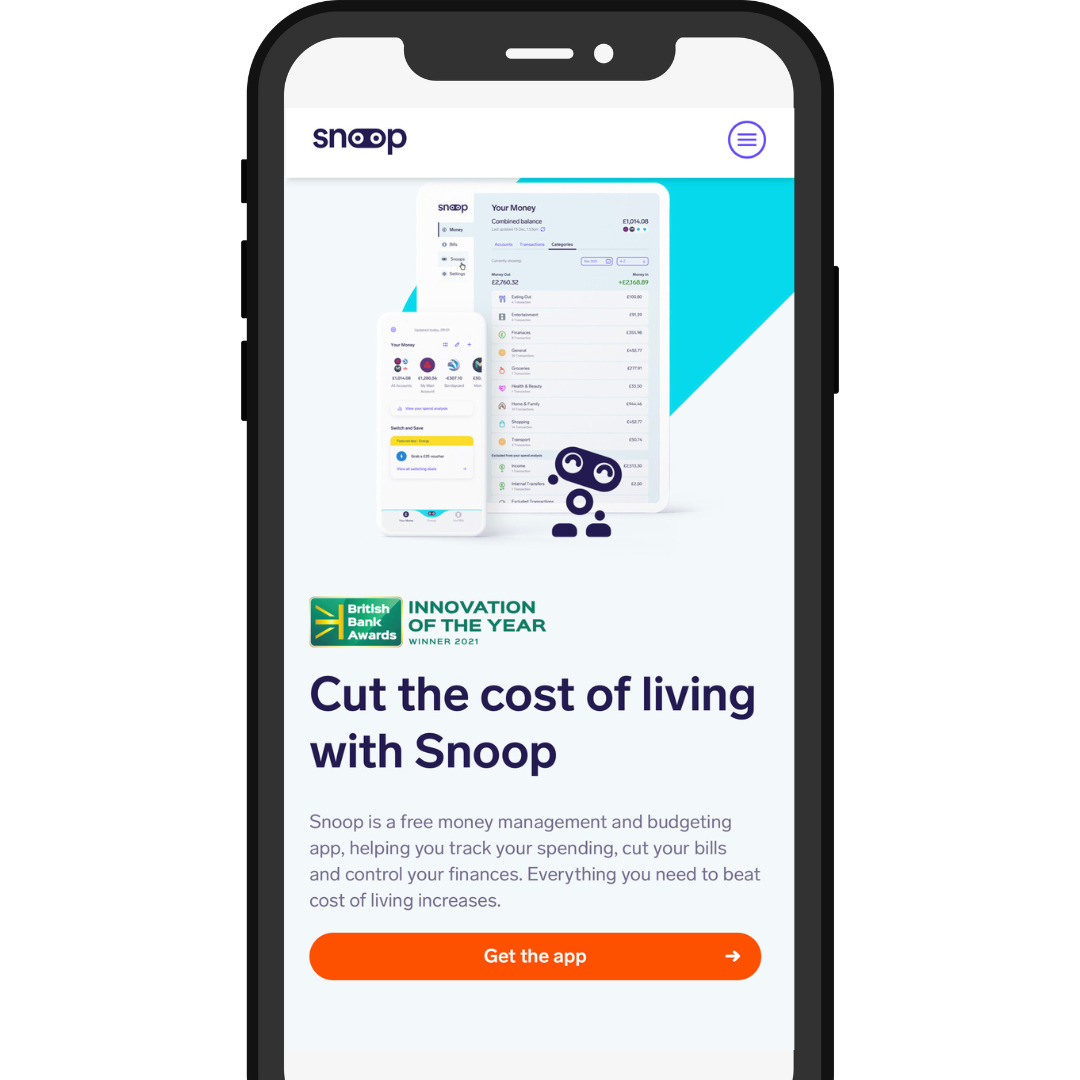
Let the latest technology help get you there with the best money savings apps.
Invest in Small Businesses
Expected Earnings: Varies significantly based on the success of the businesses; potential for substantial returns with successful ventures.
Difficulty: High, as it involves identifying promising businesses, conducting due diligence, and potentially becoming actively involved.
Length of Time: Medium to long-term; time required for business growth and potential exit strategies.
Reasoning: Investing in small businesses allows you to participate in their growth and potentially earn substantial returns on your investment.
By identifying promising ventures, conducting thorough research, and evaluating their growth potential, you can support the entrepreneurial ecosystem while potentially benefiting from successful businesses.
If the business is just a bit too large for you to invest on your own you could look at bringing on investing partners. This essentially creates a group of you and in some cases can help lower the risks (as well as returns)!
To Put It Into Practice:
Research and network within your local entrepreneurial community to identify promising small businesses seeking investment.
Conduct thorough due diligence, including reviewing business plans, financials, and growth projections.
Consider becoming actively involved as a mentor, advisor, or silent partner, depending on your expertise and level of commitment.
Collaborate with legal and financial professionals to draft legal agreements and ensure your investment is protected.

Start an Etsy Store
Expected Earnings: Varies based on the type of products, pricing strategy, marketing efforts, and customer demand.
Difficulty: Low to medium, depending on product creation, store management, and marketing skills.
Length of Time: Medium-term; time required to set up the store, create and list products, and build a customer base.
Reasoning: Starting an Etsy store allows you to leverage your creativity and entrepreneurial spirit to generate income.
Etsy is a popular online marketplace focused on handmade, vintage, and unique products. By showcasing your products to a global audience, you can reach potential customers and build a brand presence.
To Put It Into Practice:
Identify a niche or product category that aligns with your skills, interests, and market demand.
Create high-quality products that resonate with your target audience.
Set up an Etsy store, including creating a compelling store name, writing engaging product descriptions, and uploading appealing product photos.
Promote your store and products through effective marketing strategies, including social media, collaborations, and search engine optimisation (SEO).
Provide excellent customer service to encourage positive reviews and repeat business.
Sell Digital Products
Expected Earnings: Varies based on the demand, pricing, and marketing efforts; potential for passive income once products are created.
Difficulty: Low to medium, depending on the complexity of digital product creation and marketing skills.
Length of Time: Medium-term; time required to create and market digital products.
Reasoning: Selling digital products allows you to leverage your skills and expertise to create assets that can be sold repeatedly.
Examples of digital products include e-books, online courses, graphics, templates, music, or software. By packaging your knowledge into digital products, you can generate passive income and reach a global audience.
To Put It Into Practice:
Identify a marketable skill or knowledge area that you can package into digital products.
Create high-quality digital products using appropriate tools or software.
Set up a platform to sell your digital products, such as your website, online marketplaces, or dedicated platforms like Udemy or Teachable.
Market your digital products through various channels, including social media, email marketing, and collaborations with influencers.
Continuously update and improve your digital products based on customer feedback and market trends.
P2P Lending in the UK

Expected Earnings: Varies based on the borrower’s creditworthiness and the platform’s terms; potential for attractive interest rates compared to traditional savings accounts.
Difficulty: Low to medium, as it involves researching and selecting reputable P2P lending platforms.
Length of Time: Short to medium-term; loan durations typically range from a few months to several years.
Reasoning: Peer-to-peer (P2P) lending provides an alternative investment avenue where individuals can lend money to borrowers directly through online platforms.
By bypassing traditional financial institutions, P2P lending allows investors to earn interest on their funds and potentially achieve higher returns compared to savings accounts. P2P lending in the UK is regulated, providing a level of security for investors.
To Put It Into Practice:
Research reputable P2P lending platforms in the UK and understand their lending criteria, interest rates, and default rates.
Sign up and create an account on the selected P2P lending platform(s) and complete the necessary verification steps.
Select loans that align with your investment criteria, considering factors like borrower creditworthiness, loan purpose, and interest rates.
Invest in Yourself

Expected Earnings: Indirect but potentially significant impact on income potential and career growth.
Difficulty: Medium to high, requires dedication, time, and financial investment in personal development.
Length of Time: Ongoing commitment to personal growth and skill enhancement.
Reasoning: Investing in yourself is a critical component of achieving financial success and personal fulfilment.
By continuously enhancing your skills, expanding your knowledge, and developing your strengths, you can unlock new opportunities, increase your earning potential, and improve your overall well-being.
Personal investment in education, training, and personal development is an investment that can yield lifelong benefits.
To Put It Into Practice:
Assess your strengths, weaknesses, and areas for improvement in your personal and professional life.
Invest in educational courses, workshops, or coaching programs to acquire new knowledge or develop existing skills.
Allocate time and resources for self-reflection, personal growth, and well-being, such as practicing mindfulness, maintaining a healthy lifestyle, and seeking personal development resources.
Money Market Funds: A Low-Risk Investment Option
Expected Earnings: Relatively low returns compared to riskier investments, but typically higher than traditional savings accounts; influenced by prevailing interest rates and fund expenses.
Difficulty: Low, as money market funds are professionally managed and offer easy accessibility.
Length of Time: Short to medium-term; suitable for funds that need to be kept liquid or for short-term savings goals.
Reasoning: A money market fund is an investment option that provide stability, liquidity, and a modest return on investment. These funds invest in short-term, highly liquid securities with the goal of maintaining a stable net asset value (NAV) of £1 per share.
Money market funds are ideal for investors seeking low-risk investments and a higher yield than traditional savings accounts while preserving capital and ensuring easy access to funds.
To Put It Into Practice:
Research reputable financial institutions or fund providers offering money market funds and compare their expenses, minimum investment requirements, and historical performance.
Determine the portion of your investment portfolio to allocate to money market funds based on your risk tolerance and liquidity needs.
Open an investment account with the chosen provider, complete the necessary documentation, and regularly monitor the fund’s performance and expenses.
Stop waiting and start investing with the best UK investing apps on the market right now.
We've covered all levels with expert managed and DIY options available.
More like this
FAQs - How To turn 50k into 100k?
How to turn 50k into 100k quickly?
To turn £50,000 into £100,000 quickly, consider a combination of high-growth investments and strategic opportunities. Look for investment options with the potential for substantial returns, such as stocks, real estate, or high-growth industries.
Utilse leverage wisely, diversify your investments and stay informed about market trends. Take advantage of compounding by reinvesting earnings and consistently contribute to your investment portfolio.
While there are risks involved, with careful planning, smart decision-making, and a proactive approach, it is possible to accelerate the growth of your initial capital.
How can I make money with 50k?
With £50,000, you have various opportunities to make money. Consider investing in high-growth assets like stocks, real estate, or businesses.
Diversify your portfolio to mitigate risk, and stay informed about market trends. Explore passive income options such as rental properties, peer-to-peer lending, or dividend-paying stocks.
Alternatively, you can start a business, leverage your skills, or invest in your own education. By taking calculated risks, being proactive, and maintaining a long-term perspective, you can unlock the potential to grow your wealth with £50,000.
What is the best investment if I have 50k?
The best ways to invest £50,000 offer diverse opportunities based on individual preferences and circumstances:
Invest in Stocks: Ideal for individuals seeking growth and potentially high returns over the long term.
Start a Business: Suited for those with an entrepreneurial mindset and a passion for building their own venture.
Rental Property Investment: A good option for individuals interested in real estate and generating passive income. Rental properties can provide consistent cash flow, potential tax benefits, and long-term appreciation.
Invest in Yourself: Perfect for individuals focused on personal and professional growth.
Sell Digital Products: Suited for creative individuals with a talent for content creation.
How much interest will 50000 earn in a year?
The amount of interest £50,000 will earn in a year depending on the interest rate offered. Here are a few examples:
1% interest: £500 (£50,000 x 0.01) With a 1% interest rate, you can expect to earn £500 in a year. This rate is relatively low and commonly associated with savings accounts or low-risk investments.
2% interest: £1,000 (£50,000 x 0.02) At a 2% interest rate, your £50,000 would earn £1,000 over the course of a year. This rate is still considered conservative and can be found in some savings accounts or fixed-income investments.
3% interest: £1,500 (£50,000 x 0.03) With a 3% interest rate, your £50,000 would generate £1,500 in interest over a year. This rate falls within the range of moderate returns and can be found in certain fixed-income investments or higher-yield savings accounts.
4% interest: £2,000 (£50,000 x 0.04) At a 4% interest rate, your £50,000 investment would earn £2,000 in a year. This rate is relatively higher and may be associated with some higher-yield savings accounts or certain types of bonds.
5% interest: £2,500 (£50,000 x 0.05) With a 5% interest rate, your £50,000 investment would earn £2,500 over the course of a year. This rate represents a higher return and may be associated with certain investment products like dividend-paying stocks or higher-yield bonds.
10% interest: £5,000 (£50,000 x 0.10) At a 10% interest rate, your £50,000 investment would earn £5,000 in a year. This rate signifies a higher potential return and may be associated with riskier investments such as growth stocks or equity funds.
15% interest: £7,500 (£50,000 x 0.15) With a 15% interest rate, your £50,000 investment would generate £7,500 in interest over a year. This rate represents a significantly higher return and may be associated with more speculative investments or entrepreneurial ventures.
How to make 50k passive income?
To generate £50,000 in passive income, explore a combination of income-generating assets and investment strategies. Consider options such as rental properties, dividend-paying stocks, bonds, or peer-to-peer lending platforms.
Create a diversified portfolio to spread risk and maximise potential returns. Leverage automation, such as rental property management services or dividend reinvestment plans, to streamline income generation.
Final Words - How To Turn 50k into 100k
In conclusion, turning £50,000 into £100,000 requires strategic investing, diversification, and a long-term approach.
By exploring a combination of high-growth investments, such as stocks and real estate, alongside passive income opportunities like rental properties and digital products, you can work towards doubling your initial capital.
It’s crucial to conduct thorough research, understand your risk tolerance, and develop a solid investment strategy that aligns with your financial goals.
Remember to stay informed, seek professional advice when needed, and be patient as wealth accumulation takes time. With the right mindset and careful planning, you can strive to achieve the goal of turning £50,000 into £100,000.
Share on social media
Disclaimer: Content on this page is for informational purposes and does not constitute financial advice. Always do your own research before making a financially related decision.