If you want to save £5k a year, you need to put away exactly £416.67 each month. This can be achieved by budgeting, cutting down on luxuries, freelancing, selling items and reducing your bills.
Investing is also a good option, but only if you have the right know-how.
Do it and you have a real emergency cushion and the start of a proper savings habit.
Saving £5,000 in a year is a real challenge, especially with the cost of living where it is right now. It is doable, but it takes a tight budget, genuine discipline, and a few sacrifices along the way. Here is exactly how to get there.
Let the latest technology help get you there with the best money savings apps.
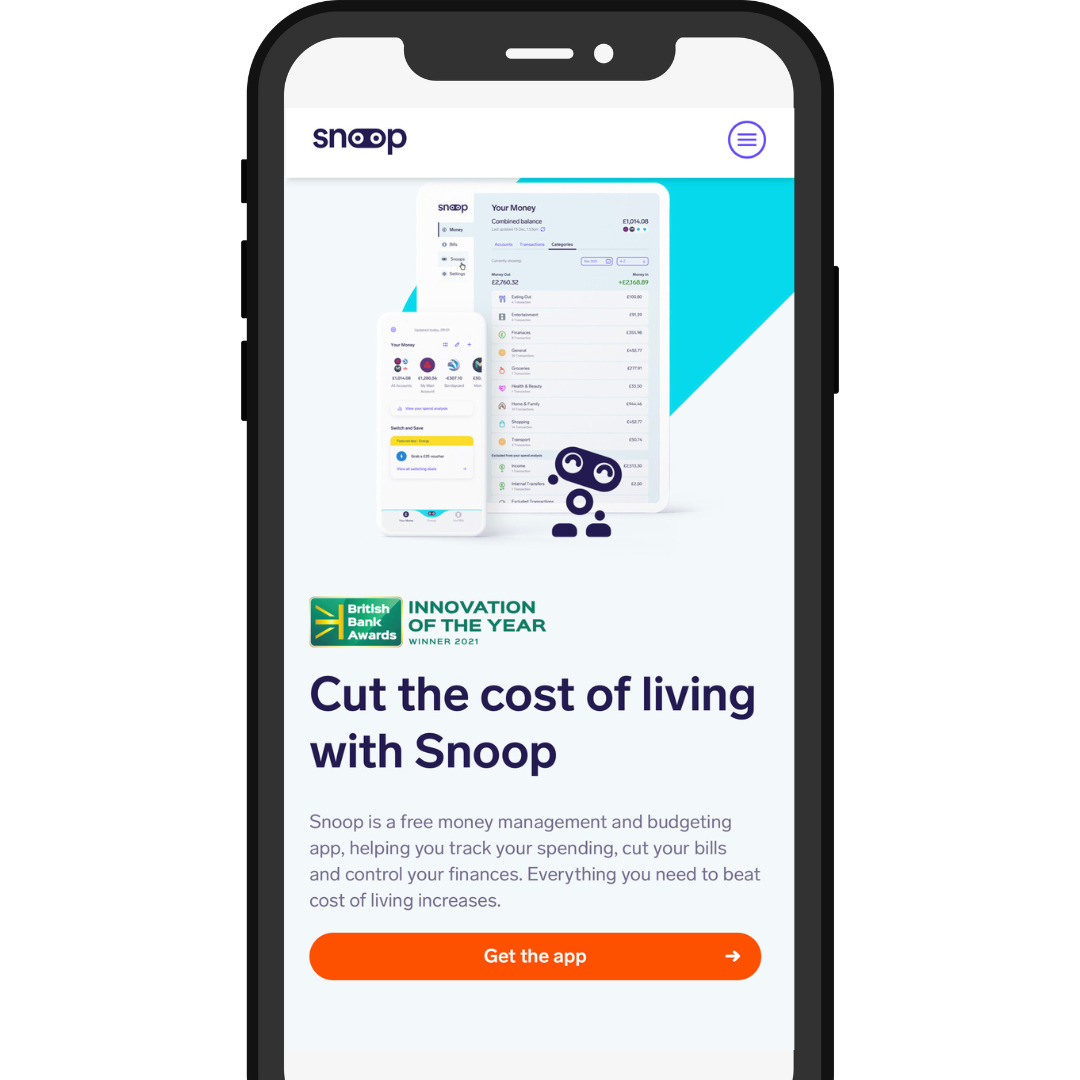
Table of Contents
How Much is Needed Per Month to Save 5k?
To save £5,000 in a year, you need to save £416.67 per month. This translates to £104.17 per week and £14.88 per day.
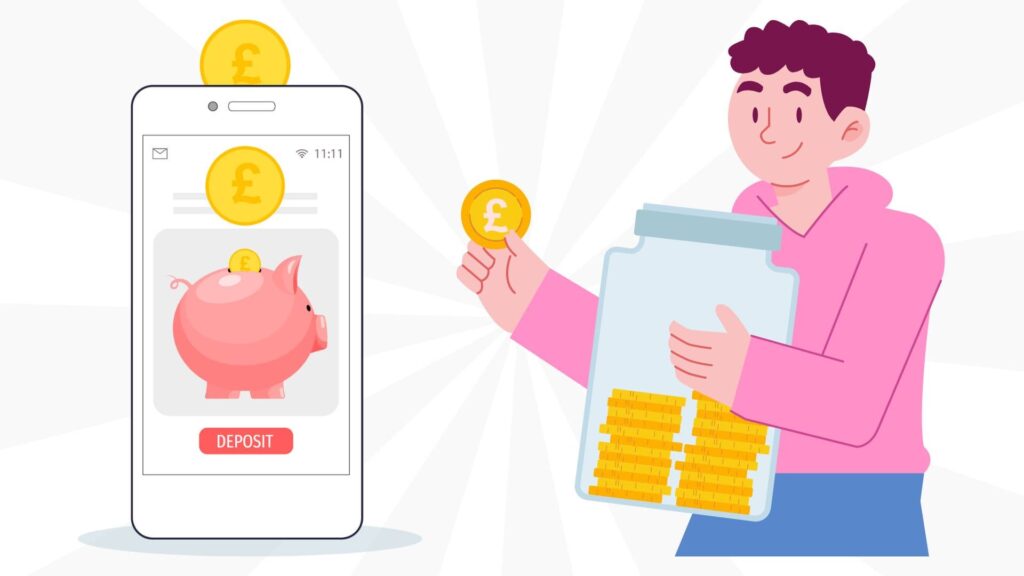
When you consider how much it would cost per day, £416.67 per month doesn’t appear too out of reach. As long as you cut down on non-essentials and spend within your means, putting aside £14.88 per day shouldn’t be too difficult depending on salary of course.
If £5k feels manageable and you fancy pushing further, here’s the full £10k savings plan I’d follow.
How to Save 5k in a Year: Top Tips
What I would do is set myself a number of goals leading up to £5k. So for example, this could be £100 / £500 / £1000 / £2500 & £5000. This way I can achieve small wins on the way to getting there keeping me on track and motivated.
Instead of spending money the same way as you always have, follow these tips to make your income stretch much further:
Budget
Budgeting is the only way to guarantee £416.67 is left at the end of each month.
Instead of spending recklessly, you should set daily limits and stick to them.
Being more aware of your daily allowance makes you warier about your spending. You’re definitely more likely to overlook items you don’t need in favour of the essentials.
You can also use my free monthly budget calculator to help you plan.
Cut down on luxuries
While a good job might make luxury items, holidays, and experiences more easily affordable, it doesn’t mean you have to buy them.
Making an effort to go out for dinner less, or booking fewer holidays, can make your disposable income stretch much further than you could imagine.
Although this might be difficult in the short term, it will definitely pay off in the long term. Once you’ve successfully saved up your 5k, you can more confidently spend on luxuries.
You could also look to remortgage to bring your average monthly mortgage payments down or look to relocate if you’re renting. These are usually your biggest costs so gains here can make a huge difference.
Sell items and/or take on a freelance role

Selling clothes, furniture, and technology that you no longer use can definitely help you save £5,000 in a year. Especially if you value each item accordingly and price them for what they’re worth.
The more you sell, the faster you hit the target.
Additionally, if you’ve got time, you could start a side hustle to earn cash. A spare few hours a week could be turned into dog walks, guitar lessons, or childminding.
Whatever skill you possess, you could easily turn it into extra money.
You could even see if any part-time or temporary roles are going online. Freelance writing and survey taking don’t take up a lot of time, but can deliver you a good amount of extra money.
Lower your bills
There are definitely streaming services, apps, and other services you could do without. There are also other ones that you could endeavour to get a lower subscription rate for.
For example, if your phone bills are excessive, you should contact your provider and see if there’s a better affordable option available.
Things like WiFi are sold at competitive rates. If you simply contact your provider and tell them that you’ve found a cheaper rate elsewhere, they may offer you a better price there and then.
So, if it’s not obvious that a service provider offers lower rates, it’s always worth phoning and asking.
Train travel is another easy saving. A railcard gets you a third off train tickets for £35 a year.
Invest
Investing can be a smart strategy to reach your £5k savings goal. Here’s a quick guide on how to do it:
Start small: begin with what you can spare and add to it regularly.
Diversify: spread money across stocks, bonds and ETFs rather than betting on one thing.
Automate: set up a monthly contribution so it happens without you thinking about it.
Investing rewards time in the market, not timing it, so the earlier and more consistently you start, the better.
Alternatively, you could deposit money into a stocks and shares ISA and gain a diverse portfolio of investments.
Let the latest technology help get you there with the best money savings apps.
Why Save 5k in a Year?
If you’ve found yourself with a job that pays around the UK average wage (around £39,000 a year), it would be prudent of you to save some of it.
Saving 5k over the year provides you with a considerable degree of financial protection in the future by making you more financially comfortable and achieving future expenses.
With the average savings by age in the UK vastly varying, £5,000 in a year is a meaningful chunk for most people in their 30s and 40s.
It makes you more financially comfortable

If you’ve been out of work before, you’ll know how hard it can be to get by. Even when you’re in full-time employment, hard financial times can befall you unexpectedly.
In these instances, having 5k in the bank makes things much easier.
Saving 5k could also help you clear any debt you may have accrued up to this point in your life.
It helps you afford future milestones
However, saving 5k doesn’t have to only be about saving up for worst-case scenarios. 5k can also go towards positive things, like holidays, your wedding, your new home, renovations, and so on.
Once you achieve the 5k in 1-year target, making 10k in 2 years won’t seem so difficult. Small milestones are important in saving money.
With 5k in the bank, you can more confidently plan your future. It makes your ambitions appear more feasible and your goals easier to attain.
It improves your spending habits
Plus, with a 5k target, you can better control your spending habits and pick up saving tips that’ll help you consistently save money in the future.
Overall, saving 5k puts you and your bank account in a much healthier position. It financially prepares you for whatever the future may bring.
How to Make Saving Money Easier: Top Savings Tools
Now that you know my top saving tips and why saving is important, let’s look at the saving tools you’ll require to reach your 5k target:
Let the latest technology help get you there with the best money savings apps.
Savings account
Open a separate savings account, even if you already have one.
That way you can see exactly what you are putting towards this goal.
Having a separate account also allows you to better manage your spending. With a savings account, you’re less likely to withdraw from your target 5k.
Best of all, you can get good interest rates with a savings account from a high street bank. For a regular savings account, it’s possible to get as much as 7% interest.
This makes it easier to save money beyond your one-year 5k target.
ISA
If you’d rather not pay taxes for your savings ever, then you should go for an Individual Savings Account instead. An ISA works similarly to a savings pot. The big difference is that you don’t pay tax on the first £20,000 that you deposit.
Plus, ISAs are better suited for long-term investment. Keep your savings journey going indefinitely with an ISA.
Still confused? Read our ISAs for Beginners post
Savings app

Don’t just settle for a savings account – go a step further and sign up for a savings app. These apps often come with their own accounts where you can deposit money, but also feature other money-saving benefits.
The best options include Plum, Starling, Chip, and Monzo.
Monzo is particularly good for collecting your loose change and putting it in a savings pot. By the end of the month, you will have collected a decent amount of change.
If you’re planning on making investments, it would be a good idea to download an investing app, too.
FAQs
Yes, but it is a real step up. You would need to put away about £193 a week, which means living lean and cutting most luxuries. See our guide to saving 10k in a year for the full plan.
Yes, it is a strong result. £5,000 is more than many people manage in a year, and it builds a solid emergency cushion of two to three months of expenses for the average household. Consistency matters more than the exact figure.
Front-load it: cut your biggest costs first (rent, energy, subscriptions), pause non-essential spending, and add any windfalls or side income straight to the pot. At a push you could hit £5,000 in six months on about £833 a month, but that takes real discipline.
Keep your emergency fund in an easy-access or regular savings account. Anything beyond that which you will not need soon could go into a stocks and shares ISA to grow over the longer term.
If you might need the money within a few years, keep it in cash. If it is genuinely long term (five years or more), investing usually beats cash savings, though the value can fall as well as rise. Many people do both: a cash buffer first, then invest the rest.
Final Thoughts
To hold the £416.67 a month, the job is simple but not easy: cut your spending and, ideally, add a little income.
As mentioned in this article, the best way to do this is to start an ISA and download a savings app. You should also cut down on luxuries and budget your spending, amongst other things.
MORE LIKE THIS
Share on social media
Disclaimer: Content on this page is for informational purposes and does not constitute financial advice. Always do your own research before making a financially related decision.