Do you ever wake up thinking, ‘I’m broke’, but don’t know what to do about it?
We have plenty of useful ideas to help you reach financial stability.
First, you’ll need to understand why you got into that situation in the first place, and then you’ll need to change your behaviour to make sure it never happens again.
Table of Contents
I’m broke what should I do?
If you’re feeling broke, that probably means you’ve simply got more money going out than you’ve got coming in. The balance is off.
You may be wondering how you got into this position in the first place and how you can get out of it.
Undoubtedly, your struggles can partly be attributed to the cost-of-living pressures of recent years, which have stretched almost everyone’s budget.
UK Finance has reported that some households have leaned on their savings to cover higher bills in recent years. We’ve all noticed the huge rise in energy prices, with my monthly bill roughly doubling at the worst of the energy crisis.
These increases are hard to adjust to; the economic environment is challenging for everyone at the moment. But on an individual level, you can’t do much about the current economic environment.
What you can do is change the way you think about your own personal finances.
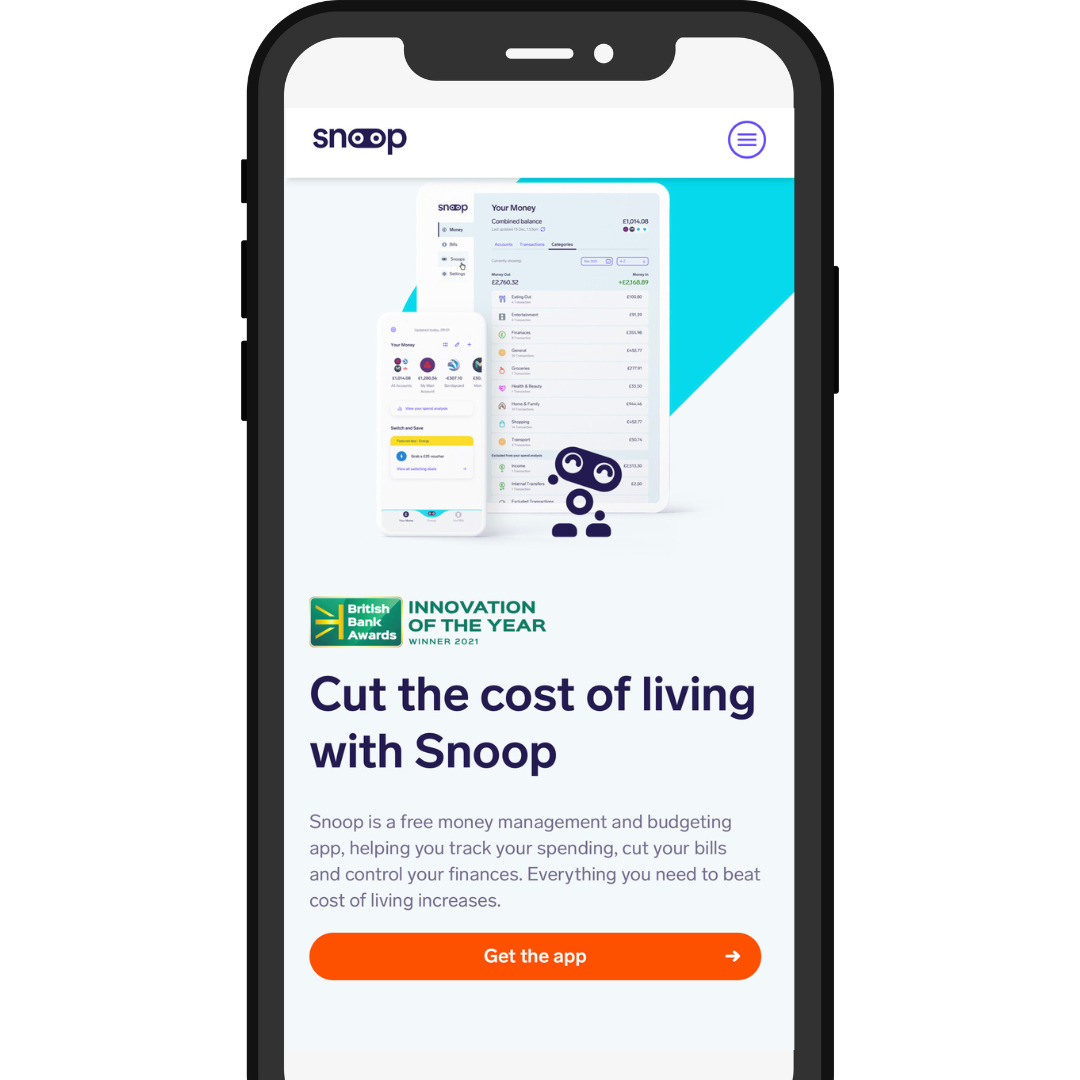
Let the latest technology help get you there with the best money savings apps.
The ostrich effect
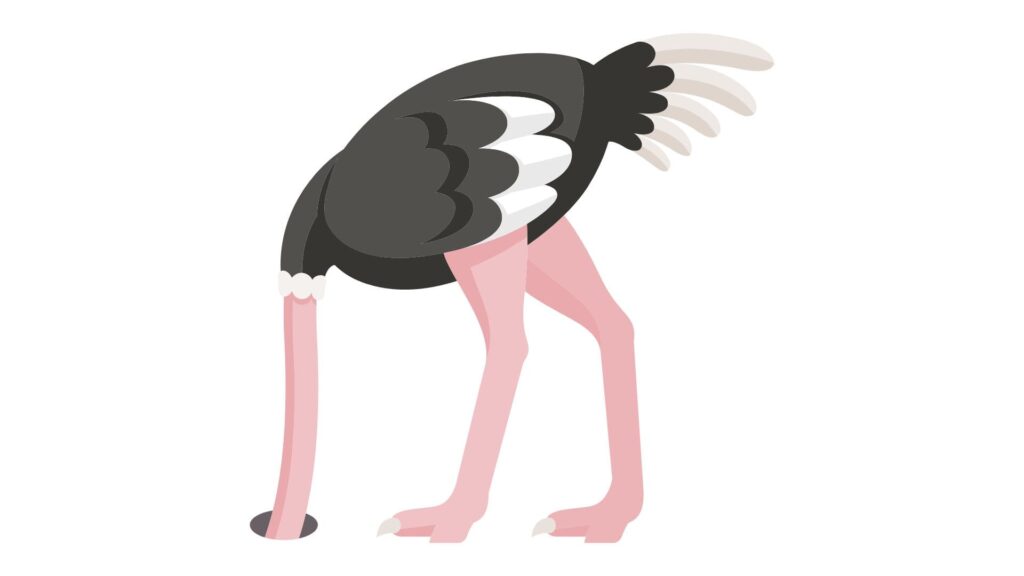
The ‘ostrich effect’ is actually a behavioural finance term used to describe the tendency to avoid negative financial information.
Instead of facing up to their financial struggles, ostriches bury their heads in the proverbial sand.
Ignoring money problems only makes them worse.
For anyone with their head in the sand, it’s time to pull it out and face up to your financial position. What you need is a deep and honest dive into your monthly incomings and outgoings.
Be honest with yourself
It starts by being honest with yourself about your financial situation.
Have you built up credit card debt through bad habits and overspending? Are you living paycheck to paycheck without an emergency fund?
These are all signs that you need to sit down and have a hard look at your actions that have got you to this point.
The best advice I can give is harsh – nobody is coming to save you other than you!
Start budgeting
According to a recent YouGov poll, few of us use an app to actually budget.
Although most of us do our banking via an app, we don’t seem to be using apps for budgeting in the same way.
So, if you’re new to budgeting, your incomings are fairly straightforward for most to calculate – it’s your salary plus any extra income you earn from side hustles.
Freelancers or the self-employed just need to tally their invoices.
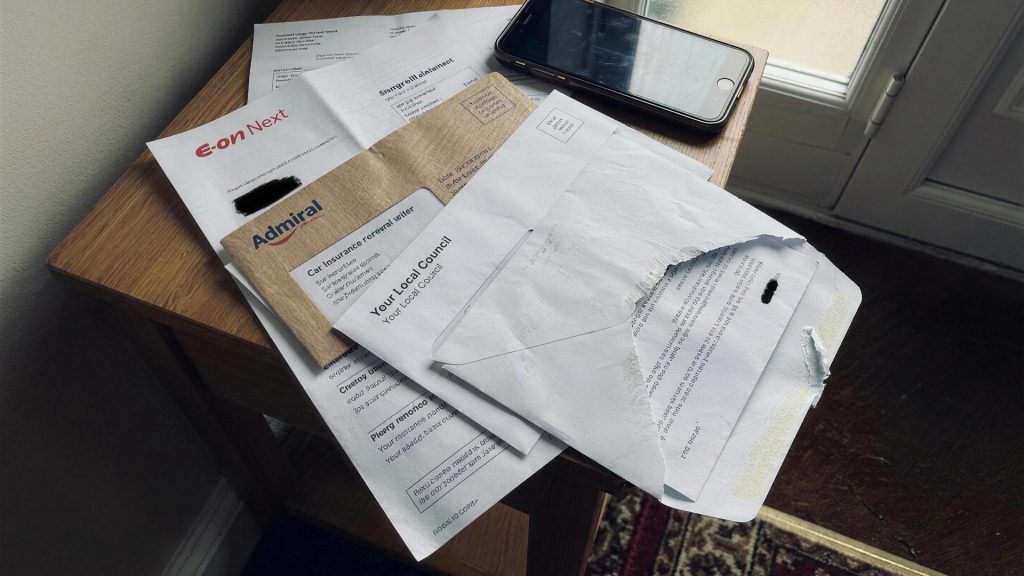
Outgoings are a little more complex. If you’ve never done this before, start by adding up your monthly bills before looking back over your spending from the past few months and dividing it into categories such as ‘socialising’, ‘travel’ or ‘clothes’. Some patterns may start to emerge…
…Any surprises? It truly is amazing to see how much the regular lunchtime sandwich adds up.
Look for the splurges you had forgotten about, the impulse buys still sitting in their boxes.
I am confident there will be something on your list that you didn’t have to buy; a luxury you could have lived without.
If you really need a helping hand pick up a copy of our Smart Money Budget Sheet which can help with household budgeting, debt calculations, net worth and a whole lot more.
Or if you prefer tech then check out our best budgeting apps.
How can I do better?
To get yourself in a strong financial position, something is going to have to change. The incoming/outgoing balance needs adjustment.
You’ve got three ways of doing this.
You can cut your spending, earn more on the side, or do a bit of both. We will take each in turn.
Financial check up
If you are sitting there thinking I’m broke, the first job is to give your finances some CPR.
You need to sit down and put a plan in place for your current income, improving it and where you’re going to cut back on.
Yes, it is hard and no, it is not fun, but it is the only way out of that broke-all-the-time mentality.
Trust me, there’s more to life than just staying in the rat race.
Spend less
Seriously curbing your spending is probably going to be hard but not impossible.
To do it, you’ll need to start by shifting your money mindset, which includes stopping and thinking before you spend and trying to stay positive when things feel tough.
There’s no doubt that cutting back on spending will make a positive difference to your month-end bank balance.
Earn more
If you need to earn more and your regular salary shows no signs of increasing, it’s time for you to think about side hustles or starting your own business to bring in a bit of extra cash.
When it comes to side hustles there are plenty of options, from flexing your writing skills to opening an investment account, or even honing your crafting talents as the demand for handmade goods continues to soar. We wrote an article about just this which you can read here.
If you’re feeling entrepreneurial and have an idea you’d like to pursue, perhaps getting a small business off the ground is the right option.
This will take ambition, vision, and lots of hard work but the rewards should eventually come in equal measure.
You’ll be well placed if you’re willing to learn and can take heed of your mistakes. We go through all the pros and cons of this and all the skills you need to be an entrepreneur.
A bit of both
Doing both at once works fastest: spend less while you build extra income. It takes discipline and it will not feel quick, but it is how the balance turns.
Quick ways to make a bit of money fast
Lastly, if you’re really stuck then there’s always some quick money earners like clearing out your loft and doing a car boot. It is also worth grabbing the latest free money offers going, like bank switch bonuses and cashback.
Or listing a bunch of clothes on Vinted. I also sold a bunch of things on Facebook market place recently and earned over £100.
You’ve got to stop feeling sorry for yourself, drop the victim mentality and do something about it.
FAQs
Stay calm and face it head on. Talk to someone you trust, or a low-cost or free therapist, and look hard at what you can cut and what you can earn. If money is urgent, borrowing can bridge the gap, but only at a rate you can manage.
Start by realising you are not alone, almost everyone has been there. Be honest about where you stand, then make a simple plan to spend less and earn more so it does not happen again.
Quick wins help: sell what you no longer use, do a car boot, or list clothes on Vinted. For something steadier, take on a side hustle like babysitting, dog walking or paid surveys.
Usually it comes down to more money going out than coming in, often through small, regular spends that quietly add up. A quick look back over your last few months of spending almost always shows the leaks. Fixing the balance, by cutting some costs and adding a bit of income, is what breaks the cycle.
For fast cash, sell things you no longer use, do a car boot, or list items on Vinted, and pick up quick gig work like babysitting or dog walking. It is also worth checking the latest free money offers like bank switch bonuses. If it is urgent, borrowing can bridge the gap, but only at a rate you can manage.
The bottom line
Work out why the money ran out, then change one side of the equation: spend less, earn more, or both. It is hard and some days will be tough, but it is how you stop feeling broke for good.
Share on social media
Disclaimer: Content on this page is for informational purposes and does not constitute financial advice. Always do your own research before making a financially related decision.