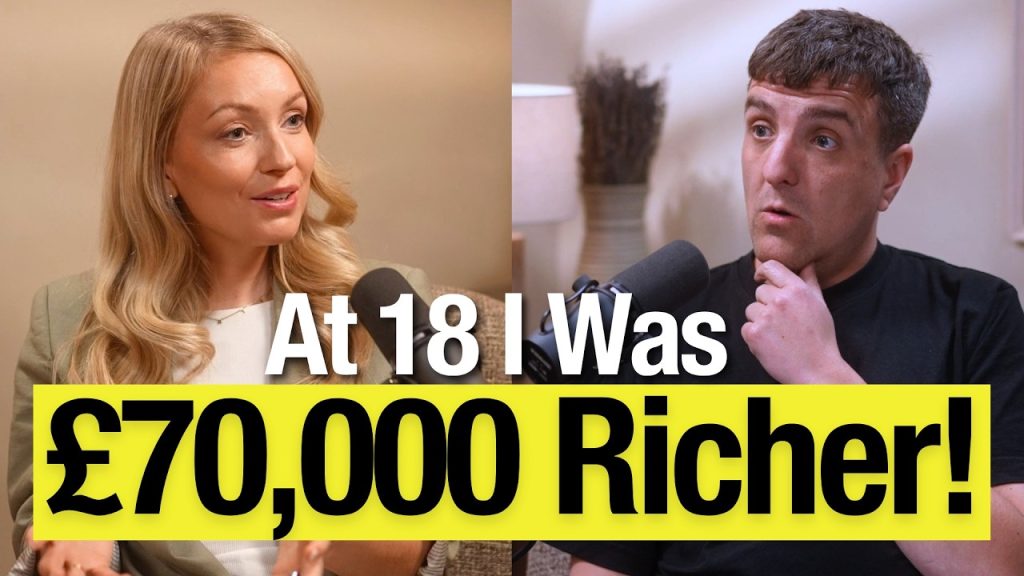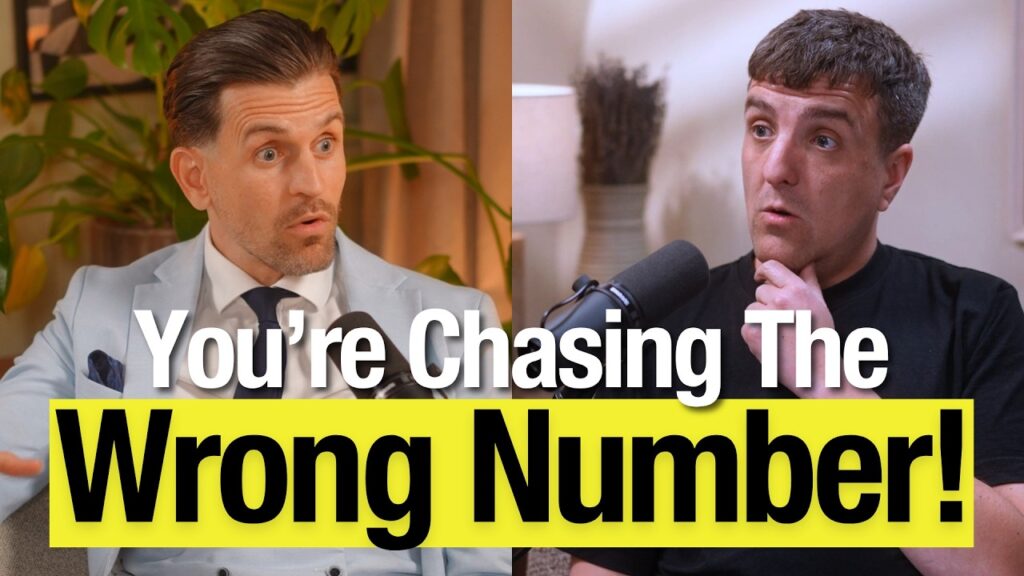

This week’s guest is Elizabeth Willetts, founder of Investing In Women, a job board and community connecting family-friendly employers with professionals seeking flexible, part-time and remote roles.
She and host Sammy dig into why flexible working sits at the heart of the gender pay gap, what job sharing actually looks like in practice, and the confidence hit that can come with returning to work after having kids.
Elizabeth spent 17 years in recruitment, including an in-house role at one of the Big Four and a stint at one of the UK’s largest recruitment agencies, before being made redundant during the pandemic while working part-time.
She couldn’t find another part-time role to replace it, and that gap is exactly what led her to launch Investing In Women in June 2021: a platform built to help people find flexible, part-time and remote work, and to help employers who are serious about hiring flexibly find them.
In this episode Elizabeth explains why she still believes flexible working is one of the biggest levers for closing the gender pay gap, why job adverts that vaguely gesture at “work-life balance” underperform those that spell out exactly what flexibility is on offer, and how job sharing works when it’s done properly.
She also talks candidly about building a business from redundancy, the mentors who shaped both her and Sammy’s careers, and why being motivated by money is nothing to be ashamed of.
———
Gains App is LIVE!
An AI-powered budgeting and cashback app designed to help you make more of your money.
Download here: https://gainsapp.onelink.me/8IhT/oiaimr1z
———
Get a FREE FRACTIONAL SHARE worth up £100 when you deposit £1 with Trading 212
https://www.trading212.com/join/MGP
If you don’t receive the free fractional share, head to the menu and put the word ‘MGP’ into the promo code section.
(Capital at risk when you invest)
Key takeaways
- Elizabeth Willetts founded Investing In Women in June 2021 after being made redundant from a part-time role during the pandemic and struggling to find another flexible position.
- She sees a lack of flexible working as one of the main drivers of the gender pay gap, since women still tend to carry significantly more childcare and caring responsibilities.
- Job sharing splits one role between two people, either by skill set or by days of the week with a crossover day, giving employers full weekly cover and staff genuine flexibility.
- Job adverts that state exactly what flexibility is on offer get far more applications than vague references to work-life balance or inclusion.
- Return-to-office mandates hit hardest for parents who’ve built their routines around remote or hybrid working, particularly around school pickups and after-school clubs.
Timestamps
- [1:04] Elizabeth Willetts on Founding Investing In Women
- [4:35] The Gender Pay Gap and Why Flexible Working Matters
- [12:51] Presenteeism and the Push to Return to the Office
- [14:56] The Real Challenge of Returning to Work After Having Kids
- [16:15] Why Job Adverts Rarely Spell Out Flexible Working
- [18:11] Confidence, Role Models and Coming Back to Work
- [19:59] What Job Sharing Actually Is and How It Works
- [22:02] The Business Case for Job Sharing
- [23:10] Which Industries Use Job Sharing Most
- [36:53] How to Find Flexible Roles Through Investing In Women
From redundancy to founding Investing In Women
Elizabeth had worked in recruitment since 2007, including in-house at one of the Big Four and at one of the UK’s largest agencies, without ever placing someone part-time.
When she had her own children and later asked for flexible working herself, the request struggled to get through, and she was the part-time person on her team when redundancies came around during the pandemic.
She couldn’t find another part-time role afterwards, and that experience became the reason Investing In Women exists: a job board, built in June 2021, connecting flexible and part-time candidates with employers who genuinely want to hire them.
She’s candid that the redundancy, though painful at the time, turned out to be the best thing that happened to her, forcing her out of the “play it small, play it safe” mindset she’d otherwise have stayed in.
Building the business took roughly two years to properly get going, and Elizabeth credits a coach, Lindsay, with pushing her towards ideas she’d never have landed on alone, from running regular LinkedIn Lives to specific traffic-driving tactics for the site.
Further down the line she took on an investor, Jamie, giving away a slice of equity in exchange for someone who’d built and sold more than ten businesses before and could act as a sounding board when things got tough.
Sammy shared a similar story about Neil, a mentor who took him under his wing early in his marketing career; both agreed that having someone a bit further along the road, whether a paid coach, an investor or simply a generous boss, made a measurable difference to how quickly they grew.
If a career change or a period out of full-time work has left your own finances feeling unclear, our budgeting calculator is a straightforward way to see where your money is actually going before you plan the next move.
The gender pay gap and why flexible working matters
Elizabeth’s central argument is that flexible working and the gender pay gap are directly connected.
Women still tend to take on more of the childcare and caring load at home, by her account at least 45 minutes to an hour more per day than male partners, plus a greater share of elder care.
When flexible working isn’t available, many women end up trading a well-paid, hard-trained-for role for something more accommodating but lower paid, which she says is one of the main reasons the pay gap persists.
Her view is that any employer serious about closing its own gender pay gap, or about diversity and inclusion more broadly, needs to treat flexible working as a genuine lever, not a box-ticking exercise, because it isn’t only women who need it: people with disabilities, long commutes and other caring responsibilities benefit too.
The pay gap also feeds a gap in long-term wealth: our episode with Laura Turner on the gender investment gap picks up that side of the story.
Confidence, role models and coming back to work
Beyond the practical barriers, Elizabeth talked about the confidence hit that comes with stepping back into work after time away, whether that’s a year on maternity leave or longer.
Throwing yourself back into a routine environment after a career break is daunting on its own, and it’s made harder when there aren’t visible female role models further up the organisation.
She’s had plenty of brilliant male bosses, but she’s clear that seeing other women progressing within a business matters too, both for confidence and as proof that flexible working and career progression aren’t mutually exclusive.
Presenteeism and the push to return to the office
Many employers have spent the past few years pushing staff back to the office, and Elizabeth puts a lot of that down to presenteeism: a belief, often from leaders who spent their whole careers working in an office themselves, that visible hours at a desk equal productivity.
Employees who’ve had a genuine taste of remote or flexible working are reluctant to give it up, which makes a full return-to-office mandate feel like pushing a boulder uphill.
Her point isn’t that offices are bad, it’s that profitability and success don’t require “bums on seats nine to five, five days a week”, and firms that assume otherwise are working against their own recruitment and retention.
If you’re weighing up a change in role or working pattern yourself, our take-home pay calculator is a quick way to see what a shift to part-time or flexible hours would actually mean for your monthly pay.
What job sharing actually is, and why more businesses should use it
Job sharing came up as one of Elizabeth’s favourite, and most underused, solutions.
There are two main approaches: splitting a role by skill set, where each person handles the parts they’re strongest at, or splitting by time, where one person covers Monday to Wednesday and the other Wednesday to Friday with a crossover day for handover.
Done well, it’s meant to be seamless from the client or stakeholder’s point of view.
Elizabeth has seen it work well in banking, real estate, insurance, teaching, and even hospitality shift patterns, and argues the business case is strong: full weekly cover, continuity if one half of the pair is off sick, and two different skill sets and perspectives for the price of one role.
As she put it plainly, “it’s basically two people doing the same job.”
How to find flexible roles through Investing In Women
For anyone listening who’s weighing up a return to work, a switch to remote or flexible hours, or simply wants to stop applying to roles that never mention flexibility at all, Elizabeth’s advice is to start at investinginwomen.co.uk, where new roles are added daily and a weekly newsletter rounds up the latest listings.
She’s also built a wider community around the mission, including a Work It Like A Mum podcast, an Instagram account, and a Facebook group of the same name, all aimed at making flexible working easier to find and easier to negotiate.
Building confidence around money played a part in her own journey too.
In the early days of Investing In Women she didn’t pay herself for months while the business found its feet, and she talked openly about the LinkedIn post she wrote admitting she’s “hugely motivated by money”, something she says still feels taboo for women to say out loud even though it shouldn’t be.
For her, being motivated by money isn’t about the number itself, it’s about what it lets her do: reinvest in the business, pay her team properly, and build security for her family.
If entrepreneurship or a side project is on your radar as a route to more flexibility, our guide to top ways to earn a side income is a good place to start.
Our piece on how to audit your spending is worth reading before you make any big change to your working pattern or income.
This transcript is auto-generated and lightly edited for readability, it may contain errors.
[0:00] Sammie Ellard-King: Hello and welcome to another episode of the Money Gains podcast. This is your host, Sammie Ellard-King, and today my guest is Elizabeth Willetts, founder of Investing in Women, which is an online job boards, community, and podcast helping women with both flexible and remote working opportunities. Now, we discuss all about how difficult it is for women to find these roles at the moment in the industry, some of the archaic kind of old school ways that businesses still have, and new and flexible companies which are really embracing this too. I really love this chat with Elizabeth. It was really, really cool. We talk all about in entrepreneurship, starting her own business, you know, and how difficult and hard it’s been for her on the first couple of years of that journey, you know, mentorship and what that means to her. Honestly, this chat was amazing. Um, so if you are listening on YouTube, please do whack that subscribe button. And if you’re listening on Spotify or Apple, you know what to do. Hit that follow button. It really does help the show. But for now, let’s get started on the Money Gains podcast.
[1:04] Elizabeth Willetts: The Money Gains Podcast, money podcast, hey Liz, welcome to the Money Gains Podcast. How are you doing? You well? I’m good, thank you. How are you? Yeah, very, very well. I’ve been a bit sick the last few days, but on the mend now and back into uh full swing of it today, um, with a big bag of energy to chat to you. I’m really looking forward to this. Um yeah, if you wouldn’t mind giving the audience a little uh introduction into yourself. Absolutely, yeah. My name’s um Elizabeth Willetts, but everyone calls me Liz. And I um founded a job board called Investing in Women um in June 2021, and it helps people find flexible part-time and remote jobs and um companies that want to hire people that are interested in working flexibly, and then we have quite a big community now around that. We do regular Facebook LinkedIn lives aimed at empowering, particularly women, but obviously anybody can watch in the workplace. Um, like you, I also have a podcast as well called Work It Like A Mum, where I interview amazing women that are doing fantastic things in the workplace or with their own businesses. Um, and we talk about the challenges they’ve faced and how they’ve overcome them.
[2:24] Sammie Ellard-King: Wow, cool. That’s a that’s an intro and a half there. I love that. Yeah, no, that’s awesome. Um was it a coronavirus business for you? Was it just because I was made redundant like a lot of people in COVID, and actually it was the best thing that ever happened to me. I wouldn’t have started my business if I hadn’t been made redundant. I would have gone back and played, played small, played safe. And I think it just really has pushed me out of my comfort zone starting a business. And like I don’t know if you feel like since you started your business, but like just experienced so much more growth, I’ve learned so much more, become more confident, feel really proud of myself, and I think it’s you know, it’s been one of the best things that happened to me, which stemmed from that redundancy.
[3:09] Sammie Ellard-King: It’s amazing how those like unexpected life moments end up shaping you, isn’t it? But the negatives always seem to end up being positives. It’s so weird how that happens, right? Yeah, yeah, yeah, absolutely. Yeah, so yeah. Best I know I wouldn’t because I always find it really brave when I talk to people that set up a business and they just left a job because they believed in that business so much. I think, gosh, that’s I I don’t think I would have done that. So I always, you know, I’m in awe of those people. Uh I well, yeah, that’s that’s kind of what I did. Oh, did you? Did you I was gonna say, did you push or did you just like leave and settle? No, I had a very, very good job. I was a director, uh run a hospitality business with uh three or two of my other friends. Um, you know, we were doing really well, opening loads of new sites. But um something in the reason I asked, like, I I’m Up The Gains is the same as a COVID baby, really. That was when I had my like moment in my head, like, actually, I don’t know if I made the right choice in doing what I really what I’m doing at the moment. And uh, you know, I think it happened to a lot of people. They realised well, whether they just changed jobs or started businesses, they changed their industries or worked on a particular skill during COVID, so then when they got out, they could actually do what it was they’re in. And it’s so interesting because the world changed so much, and so many people changed with it. I love it, it’s so much fun.
[4:35] Elizabeth Willetts: Yeah, I mean, my husband works from home now, and that obviously didn’t happen pre-COVID. You know, we shared the school. It is so much to be honest. I mean, I don’t look back on that time fondly because I had two really small children and it was difficult. But I do think generally our lives, I know not everyone’s lives, but you know, my life and our family life has definitely changed for the better. Yeah, 100%. So, did you think do you think you had this idea like bowling around in your head before this and it kind of got brought out because you had the time to think about it? Um I don’t know really. I mean, I’ve always been in recruitment. So I’ve worked in recruitment since 2007. Um, and I had never recruited somebody part-time before, and I’ve literally recruited hundreds of people in my career, you know, as you can imagine, and nobody had ever been part-time. And I worked, you know, at one of the big four, and we’d get people saying, ‘Will you do part-time?’ and you know, it would be a no. And and in agency, if someone rung up and I said they wanted to look part-time, we’d tell them we just couldn’t help them. And um, I think to be honest, until I had children, I didn’t really occur to me, you know, why people necessarily needed to work. I mean, obviously it did, and I I, you know, I you know, but I think at that point you’re just in a bit of a treadmill, aren’t you? And you just so I mean by playing small, you’re just doing what you’re sort of told to do, really, and you’re not really thinking outside the box, and then and then I struggled to get my flexible working request through, and then was one of the only people that were made redundant then. Um, you know, I was the part the part-time person on my team, not many people made redundant, I was made redundant, and you know, and I do believe that that was a bit of an element in that decision, and then couldn’t find another part-time job. So that was why I founded investing in women because I could just see what had happened to so many of my friends that they’d exchanged something that was well paid, that they trained really hard for, um, in exchange for that flex. So, you know, I still believe it then. I still I believed it then, I still believe it now that that is one of the main reasons for the gender pay gap because so many, you know, particularly women, because there is still a long way to go. Women tend to do, you know, at least 45 minutes, if not an hour more, childcare things around the home. Um later and they look after you know, do more elderly care, etc. And I know it’s changing and I know it’s getting better, um, but there’s still some way to go. So women tend to need flexible working or want flexible working more than their male partners. And that’s why I think the companies should be offering that if they’re serious about closing their gender pay gap and if they’re serious about diversity and inclusion, because you know, it’s not just women that want flexible working, it’s people with disabilities, um, it’s people, you know, like that, you know, further commute, it’s people that have other responsibilities that need flexible working. So I think that’s why I founded it. But um, but yeah, I mean to answer your question, I’ve I did set up a business when I was younger, um like 2013, left recruitment for about a year and a half. I think I really like entrepreneurship, actually. And then that business wasn’t successful actually, because there was stuff going on in my personal life, so I went back into a job. Um, but yeah, I think that’s the real driver for me actually being an entrepreneur. I enjoy working for myself.
[7:56] Sammie Ellard-King: Yeah, yeah, it’s the not having the boss thing for a lot of people. Yeah, it is. I just I think I would be honest, I’ve um I would struggle to, I mean, if God in my favour, I have to go back and ask and listen to this. But yeah, I would struggle, and it’s not necessarily the hours actually, because I end up working, I’ve worked, I’m as I’m sure you have, and a lot of business owners more hours than I ever worked in a job. But it’s that flexibility of being able to do what you want to do in your business, take it to where you want to go, make ideas come to life, and not have like layers and layers of hierarchy above you. And you’re responsible for you as well. Like you know, you if you don’t put the work in and the hours, then that’s on you. It’s not on your boss, and you’re not then dragging a whole organization down, you’re dragging yourself down, which is like a lot easier to manage on the well, I say that actually. But yeah, it’s it’s it’s more oh god, what’s the word for it, really? It’s more um fulfilling in a way, but also it’s it’s it, you know, you it’s if you’ve got a bunch of self-motivation and you and you become an entrepreneur, then you you know you you do well, because a lot of it is just brute force.
[9:07] Elizabeth Willetts: Yeah, it it’s just I think it’s just a lot of it is just resilience. Yeah. And not giving up. And there’s been god loads of times where I was like, this has been an awful week or whatever, and actually it’s just showing up the next week. And then I think that is the secret, really, is just keep showing up. And eventually, you know, hopefully things do turn around and you’ll have good weeks, bad weeks, but it’s that resilience getting through. Yeah, yeah, yeah. It’s uh, you know, I’ve had months where I’m looking at the the business bank balance and I’m like, oof, if we don’t like do a good couple of weeks here, we’re a little bit in trouble. And then what happens? Something lands, and you know, and you always find a way. And you know, I’m thinking, oh my god, I need to bring in a couple more clients this month. Um and uh and suddenly out of nowhere, five drop, and you’re like, Whoa, okay, cool, we’re okay now. But that’s what it’s like starting out. Yeah, you’ve got to you’ve got to fly by the seat of your pants a little bit. Absolutely.
[10:06] Elizabeth Willetts: It takes a lot of courage. I know. It does. You know, like looking back and thinking, gosh, I was crazy. I do enjoy entrepreneurship. I think if I knew, I don’t know if you feel like how tough it would was gonna be. I don’t know if I’d have done it. I do enjoy it, but I don’t know if that’s something you feel as well. It’s maybe like doing a race, you know, like the race you did at the weekend, you’re like, God, it’s been tough, but I have enjoyed it. Oh, yeah, yeah, yeah. Elizabeth’s talking about I put myself through absolute hell and ran a 15k, 30 obstacle tough mudder with basically zero training. Uh, and I’ve been at very busy because you go in and you have no idea what you’re doing. Yeah, and a hundred. But what I what I always refer it back to is the mission. Like if I’m having a really tough time, my ultimate goal is to help another person with this. So as long as my message is helping people, yeah, and then I feel like I’m I’m providing value. And I it’s the same for people in nine to five jobs too. If you feel like you’re providing value to that organisation, that should be enough. Um, you know, you don’t have to be an entrepreneur to still have and find value in in what you’re doing. But for me, the value is being able to work for myself and help other people, and you know, exactly with you, with what you’re doing with investing in women, because you know, it’s uh it’s certainly uh a big, big issue and big topic right now. You know, the we’ve had very kind of bureaucratic kind of set-in ways of working world and corporate world for so long. Um it’s just been nuts to see and it’s quite archaic process to change, and that often it’s the new, young, hip, cool companies which are the most forward-thinking. So getting the good voice to change is.
[11:52] Elizabeth Willetts: Yeah, I’ve had some really good, good, great clients that actually have been a bit smaller, often startups or scaling up, and they are doing things differently, and you know, and often they’re in a really nice position actually, because then maybe they are growing, they don’t have quite the workload for a full-time person, so they get someone part-time, they get someone amazing that’s got you know loads of experience that wants to work part-time, and actually it sort of suits that person as well. And then as that person, you know, maybe maybe they did have children or whatever, they but and they as their kids grow up, they can take on more hours. But it’s really interesting the types of organizations that I’m working with that are um yeah, that are are really forward-thinking. What what what do you feel like is the the main issue that companies find with this kind of what what’s there, you know, if I’m that CEO sitting there and I’m like, Yeah, you know, and Elizabeth walks in and talks to me about part-time, you know, remote working, but I like people sitting at their desks all day.
[12:51] Elizabeth Willetts: Yeah, you know, it’s that presented, isn’t it? I think it’s um it’s an interesting time at the moment because a lot of firms are obviously pushing for people to come back to the office, and employees have got taste of working remotely, they’ve got taste of working flexibly, and it is a real it does feel like if you are wanting your staff to return to the office, it’s an uphill. You’re pushing you know a boulder uphill. Um, but I think it’s down down to presenteeism. I mean, I think obviously you know, I saw an article last week that the average CEO is called, I forgot what his name is, Andrew 55, White, Oxford. So you they’ve obviously spent their entire career working in an office and have done well from that. And I suppose then, you know, it’s very hard to see a different point of view, particularly if they have a lot of help at home, if they don’t have the school runs, if they’ve not had to get involved in that, then it you know, it’s hard sometimes to see other people’s points of view, whatever. Um, you know, because I was I could say, oh, you know, you’re not seeing our point of view, but I am, you know, um with a business. I know that a business obviously wants to be profitable, they want to be successful. There are definitely ways of being profitable and successful without having bums on seats nine to five, five days a week.
[14:56] Sammie Ellard-King: Hey guys, Sammie here. Just a quick one. If you wouldn’t mind heading over to upthegains.co.uk, hitting the subscribe button in the top right hand corner, and entering your email into the box. For your troubles, you will receive a free net worth calculator worth £25. Now, this net worth calculator, if you enter your assets and your liabilities, will tell you exactly how much you are worth today. Now, what you can also do is set yourself some financial goals and track your net worth along the way using this tool. It’s totally free. So head on over to upthegains.co.uk, hit the subscribe button, pop your email in, and it’ll be sent straight to your inbox in a matter of minutes. Now, back to the podcast. Yeah, not 100%. I mean, uh that again, just going back to that COVID conversation, most of these businesses held on, and actually some even grew with a remote workforce and it opened a lot of people’s eyes. Um what were you seeing then? Like, what’s the the challenge then for these women that are kind of looking at the moment for for roles perhaps they’ve just, you know, are just coming back to the working place um the working environment after you know having kids? What what’s the big challenge that you’re seeing across the board? Is it just the sheer lack of opportunity or is it?
[16:15] Elizabeth Willetts: Yeah, I think it’s just sheer lack of flexible work, and also it’s that not knowing whether a role will offer flexible work, because I haven’t got it on my side. They’ll put on the job advert, they might put a vague we support diversity, inclusion, etc., but it’s not that concrete. This is what we can do, and those roles that actually put this is what we can do in terms of flex are the ones that get the most applications. Um, and I think there is, you know, there’s a lot of people that are working at the moment and they have been working quite happily, you know, mostly remotely or doing hybrid, and then I get an email from them because their company has now done a return to the office mandate, and it’s not going to work for them in terms of you know, even like if they’re using after school clubs, etc., it’s still really tough to get back to do those pickups. And you know, it’s not just women, but people have got used to working a certain way, they’ve they’ve structured their lives around that working pattern, and then to have that changed is difficult. And then if you’re applying for roles and you’re not seeing and you’re wanting to work flexibly, and you’re not seeing that many jobs advertising, flex. Um, if you’re not seeing many returns, if you’ve been out of work for a while, I don’t understand why they lots of companies offer like amazing grad schemes. I don’t really understand why they can’t replicate that and offer it as a return ship as well, maybe just with a few little tweaks. Um there’s lots of different things. There’s obviously mentorship, uh, we could talk on and on, um, that makes a return smoother and obviously someone’s career progression to an organization smoother. Um, and then I think as well, like diversity of staff to reflect the customers as well. Because, you know, most in your customer, most businesses will be like 50-50. So if you’re not having that diversity in your organisation, you don’t really understand what your customers want.
[18:11] Sammie Ellard-King: That’s so true. That’s so true. Like I imagine it must be so scary for women when they come and they go through that moment and they’re thinking about going back into the working place and they’re and they’re like, you know, they’ve they’re juggling uh, you know, a small child at home. Yeah. The conf the confidence thing because they’ve been out of work for a year and then throwing themselves back into that kind of routine environment must be actually really quite like quite daunting. Yeah, and especially then if you know, if you’re interviewing, then we’ve had you know just men as well, and then you’re not seeing those female role models as well in that organization. There’s not that because I think it is important to have that. I mean, obviously, male there’s great male champions. I’ve had some brilliant male bosses, but actually you want to be able to see that there are women that are progressing as well within an organization, and that’s really important as well.
[19:05] Sammie Ellard-King: I completely agree. It’s it’s um it’s one of those things that like for me. I I know that I would actually really there’s so many, there’s so many these women have got unbelievable skill sets and actually utilising them in the right way, um, which is suitable for them and helpful for you, is like actually it’s different for me because I’m in a flexible business where I, you know, flexible working for me. I have staff of that are all over the world and you know, some of them work through the night, and that’s great, that’s fine for me because I wake up and there’s stuff to be done and I leave them tasks to do, and actually that would really suit me. So I suppose it’s very different for different types of businesses, and it’s just finding those opportunities, really. And that’s why like job boards like investing uh in women is so so amazing, because you’re actually finding these opportunities, right?
[19:59] Elizabeth Willetts: Yeah, yeah. I mean, the other thing that I think definitely should be more popular than it is is job sharing, because that’s where that business gets that cover. And I don’t know why there isn’t more job shares, because I think it’s better for businesses, really, if they want full cover Monday to Friday, they they’re gonna get it. Um, and also better for real for employees because part-time is difficult on your day, non-working days, um, because you’re starting to think, oh gosh, it’s something happening in the office getting, or do I respond? Whereas if you’re a job share, you’ve got you know it’s being covered. How does that actually work? I’ve never come across a job share. So there’s job share, there’s two different ways to do job shares. So they are they often they can either do it like skills, so you can just split a job based upon your skills and strengths, but the most popular one is based upon times that someone might do Monday, Tuesday, Wednesday, and the other person will do Wednesday, Thursday, Friday. They tend to have a crossover day, which obviously makes that job spend seem like seamless. The idea is that the end client, um that could be obviously an external client or a stakeholder, would not um, you know, it wouldn’t impact them, the people that you’re you know, your stakeholders, whoever they are. Um that, you know, a seamless job share should work seamlessly, and it’s basically two people doing the same job.
[21:16] Sammie Ellard-King: Ah, that’s so cool. And it is really cool. And you know, like even talking to businesses is like I don’t know if you’ve spoken, it’s like co-founders, and they’re basically doing a job share, and it actually is it’s a nice way of working, I think, if you want to work flexibly, because you don’t have that, or it’s something am I missing something? Yeah, no, 100%. And like obviously, like, you know, different households have different routines and different schedules. Like the kids might have, you know, after school club on a on a Tuesday, so it makes it really much easier for you to go into town, or those types of things, or you know, but you know, there’s nothing in place on a Wednesday, so I’ve got to be at home. And then that’s that flexibility and that job share moment where it comes to life. That’s so cool. I didn’t actually know, I’d never heard of that before. I’ve never come across it.
[22:02] Elizabeth Willetts: So then often like they can apply for jobs together, you know, they’ll do a joint C V and apply for jobs together and stuff. Yeah, it’s good. And I think employers should, you know, you’re getting two brains for the price of one, you’re getting that continuous cover. If someone’s ill, there’s someone to step in that knows that job and knows stakeholders. And also, you’re right, yeah. The two brains thing’s massive because like actually it’s different perspectives, they’re definitely gonna have different skill sets. So if you’re smart about it, you hire the person that’s like amazing at say, you know, there’s six skills and they can do three each very, very well, and they both complement each other. But also, as well, if you hire right, then that you know, I I’ve always been a hundred and 10%, I’ll always go a bit extra mile in my job or whatever I’m doing because I really care about the outcome. And if you manage to find two people that do that, then actually you’re probably getting an extra, even probably an extra day’s work on in that role out of that role, in theory, if you see what I mean. People that just go the extra mile. So that’s so cool. And and and what kind of industries is that mostly popular in, in fact, do you see?
[23:10] Elizabeth Willetts: I mean, I’ve seen it in banking, uh, real estate, insurance. I mean, I think it could but I genuinely think it could be in most organisations and most sort of roles, they could definitely do job shares. Cool. I’m actually my even my daughter, her teachers. I’m just thinking her teachers um in reception were a job share. Oh, teachers as well. Oh wow. I must have been living under a rock for these last few years, Elizabeth. What’s been going on? I think it’s because I’m in hospitality mostly before this. So it’s in hospitality, you’ve probably got people on shifts. Yeah, exactly. I’m just supposed to really a job share. It definitely is. Definitely is. You know, these guys are doing working around it. They’ve probably got two or three other little jobs and they take a few hours here or there. Um, but you take them on because they’re great, great people, and then an asset to the team. So that’s that’s that’s exactly really is exactly the same thinking, but just in shift work. So talk to me about the business then. So like it’s kicked off now. You’re doing like you’ve you’ve got an amazing community of people on both socials, the podcast is growing. Like, tell me about it. I’m I really want to hear about it.
[24:22] Elizabeth Willetts: Yeah, I mean, yeah, I’ll I do think it took you. Do you know what I do find, I’ll be honest, like, social media does make it all seem very glam. And last week I was like, oh god, it’s a really bad week. And then then it like you said, then all of a sudden, like some clients came out of the woodwork, and you’re like, oh great, it’s turned around. So it’s not all like always plain sailing. Um yeah, I think it took to about two years till it really I do think you need about two years to really get it going. And then I’ve got like some people now that work for me, which makes it so much easier. Because I don’t know if when you started, I was if you were similar on your own, and then I ended up working so many hours, which was not very good. Um, but yeah, now I’ve got it feels a lot more relaxed now. Yeah, especially because my daughter, my youngest, is now at school five days. I’ve got them both at school, so it’s it’s got a nice rhythm going. But yeah, we’ve got some really big clients um that are really supportive of the mission as well, so that’s brilliant. And yeah, and I’ve I’ve had a coach as well, which helps, I think.
[25:29] Sammie Ellard-King: Really? What’s the coach been there for? Is that kind of just uh she’s been there basically since the beginning, on and off, but since the beginning, and she I I credit my business to her because I just look at some of my competitors that didn’t succeed, and I just think it’s because they didn’t have a Lindsay. I know that’s not like because she just gave me ideas and things to do that I would have never ever thought of, and you know, like the the LinkedIn Lives, for example, that actually took off. That was her idea. There’s like things on how to get more traffic to the site that was getting her right, like literally, she has spoon-fed me a lot, but like that to be fair, has been worth it, I think. And you know, the the cost that I paid to her is so small compared to I think all the ideas that she generates and then generates revenue.
[27:32] Sammie Ellard-King: On the subject of coaches, like obviously that’s very much, you know, she’s coaching, but she’s also mentoring you. Yeah. How do you how important do you feel mentors are for uh anyone really? Oh yeah, because I you know, I’ll message her if I’m just I think this is really important if for entrepreneurs to invest in this because hopefully in a business, if you work for someone, you have a supportive boss. And I remember going up to my bosses all the time, like, oh gosh, something’s happened, what shall I do? And then you’re on your own and you don’t have that. And I didn’t have that with my old business that I mentioned that didn’t succeed, and you feel lost, and then now if something’s happened, I just message her and she messages straight back. It’s just a sense sometimes you just need a sounding board, yeah, and yeah, a mentor, someone that can say you can do it. But I think that’s you know, I think that’s talked about as well a lot of women. The women that I’ve spoken to on the podcast that have done well, and I say well, you know, I’m using um speechmark because you know, success obviously looks different to different people, but the people that have made it, you know, successfully, how we society views that, like COOs, etc., CEOs, have all had a coach and a mentor, and those businesses have invested in that for those people, and so the businesses obviously saw the um the value, and then those people talked about how amazing it was and how they’ve had that. And you know, sometimes I I did an interview with the CEO of NCT, and she says she’s always had a mentor. Um, so I think I think there is so much to be said for having somebody that’s just that bit further along the road than you that can offer advice.
[29:20] Sammie Ellard-King: I I mean for me, mine was a chap called Neil, I mean, he calls me his surrogate son. I started working for him probably uh I was a young lad about eleven years ago. Yeah and he just took me under his wing and he took me into every big meeting with him, and I was really, really lucky, and I just picked up. And was that in work? Is that employed work or yeah. I was very lucky, um, because he’s a great, great man, and he just took a shine to me, and I I just learned everything. And actually, I you know, my rise from you know a small little um marketing exec up to sort of head of marketing in a couple of years, is mainly down to the meetings and the biz and the and the things that I picked up of him. Um I wouldn’t have gone that quickly without him. So like uh you know it’s a testament to that. So even if you you know, but other people I know people have mentors that are family friends, that are actually even family members, they you know, they really dig into them. And actually, just you’re right, it’s having that sounding board, like, am I on the right path? Am I doing the right things? And what can I do?
[30:25] Elizabeth Willetts: And like you said, the meetings I had when I first started in recruitment, like you, it sounded like similar. Someone took a shine to me and took me under their wing, and he was called Raj and took me to all these meetings, and I actually Lindsay taught me how to build a business, but he taught me how to do recruitment. Yeah, yeah, yeah. And I like it was the same with this, with other games. I ran it for about 18 months, and I got to the point where like I was like, I don’t know who to talk to about this, so I actually sought out investment, so I gave away a piece of equity in the business to get an investor in that had been there and done it and worn the t-shirt before. And even though he’s actually slightly younger than me, but he’s grown more than uh 10 plus businesses from scratch up to them and sold them on, which was my always my view of it. And he just started from like the age of 17 and did all of this stuff, and I was like, wow, I’ve got so much to learn from you. But having that person there that I can call up as would you know, your Lindsay, my Jamie, um, and just say, mate, what am I doing here? Like, and he’ll just go, All right, don’t worry about this, you know, do it X, Y, and Z or focus on this for a few days, and then you know, suddenly, and what happens, everything all just sort of seems to fall back into place.
[31:42] Elizabeth Willetts: I know, and she might like last week I had a meeting with her, and I was like, Oh, it’s not been a brill in September, and then she’s like, just do this, that, the other, and then all then you know, everything happened um better, you know, it’s an end to um a better week and a better month than I thought it was gonna be. But I think that’s they put it in perspective as well. Yeah, 100%, 100%. So uh you tagged me in this very cool LinkedIn post that you put up, and I absolutely loved it. Um, I I really have to uh applaud you for for saying it out loud because it is difficult for some people, but you know, you you said, Oh, I’m I’m hugely motivated by money. There I said it, and I I loved that because it’s such a taboo subject, you know, talking about the fact that you’re you know you’re motivated by money, but you know, even more so um you know when you’re a woman, because people look at this in a different light. Like it’s just it it shouldn’t be like that, but it is. And so what what what what drove you to say that? What was like burgeoning inside of you?
[32:46] Elizabeth Willetts: I think I mean so you know, I follow people online that talk a lot about flexible working and charity like Pregnant Then Screwed, and I don’t they they never mention money, I don’t think they’re motivated by money. Um, and therefore it does feel quite taboo if you are in my space, and I think if you’re trying to do something positive in the world, you know, and when I first started that I didn’t pay myself for months. Um I mean, that’s just because the business was growing, they didn’t have any revenue, but then when it started making money, I was like, this is nice, this is good, I feel good. I could invest more back in the business, the business could grow even more, and and actually it’s nice to be able to pay yourself as well and pay yourself and be able to do things with the family, your family, and yeah, and I think actually, I don’t think that it’s anything wrong to say, yeah, I want to do a good business, but the business it needs it needs to make money to be a business, to grow, to help more people, and also to pay me as well, because I’m spending a lot of time doing this, and you know, I enjoy it, I love it. But um, but yeah, so that’s why I said it, because actually, as it started making money, I was like, Yeah, this feels good, I’m pleased. And I can see, you know, I track the track it every week, I can see it’s growing, and and that is the whole point, surely, of a business. And it isn’t, you know, it isn’t a charity.
[34:09] Sammie Ellard-King: I I need I need to pay myself, so yeah, no, like it’s just it’s totally okay to be motivated by money as long as you uh aware of what money can do for your life. Like, if that’s it, if you’re like, I just want to see my bank balance go up, then you probably do have a bit of a problem with it. Like, if you but do you not find though, because actually I’ve got a lot of money in not loads, but I’ve got money now in my bank, business bank account that I didn’t have before. And actually, that to me is a form of security because I can start to think, well, if the business doesn’t make any money, it’s gonna survive, it can survive on what’s in there for the next three, four months or whatever. Yeah, no, I t I totally, you’re totally right. Uh I mean it more just like you’ve clearly got things that you want to do with that money.
[35:00] Elizabeth Willetts: Yeah. So you’re not just gonna sit in a big pile of cash and go, I’m rich, and you actually want to do some stuff with it, whether that be grow your business because you’re you want to help more people, take the kids on a nice holiday, you know, go on activities, create memories for yourself. But you’re talking about growing your money and to create better lives for not just yourself and but the other people around you, and having that goal as part of your reason for wanting to grow more money is like amazing. Yeah, and you know what, it feels really nice paying the people. I don’t know if you feel it like this, but paying the people that work for me as well, because I think, yeah, you know, I’ve paid you, you can do something nice with your family now this month or this week, you know, whatever. And that’s a really nice feeling to know that my business is supporting, you know, it’s not just supporting people back into work, but it’s supporting those people that work within the business as well to have a nice life.
[35:56] Sammie Ellard-King: I had this um I had this amazing moment with a member of my team the other day. She was on the call and she’s been working for me for about a year now. And uh she’s clearly obviously been saving a lot before this, but she um she just got the keys to her first house. Oh wow and like sharing that moment, like she really wanted to share it with me and just say, like, thank you so much, like for the opportunity and stuff. And I was just like, I walked off the call honestly, like nearly in tears. I was like, oh. I feel like you’ve got the house. That’s amazing because I’m so happy for her. Um, you know, she went out and got she’s a she’s a single mum with two kids, got herself um uh her own her own place, and um to have a business which is helping people but also helping m the team do that too, was just nuts. So yeah, I totally agree with you, and um what a great way as well to just kind of like bond with your team and just kind of have that moment.
[36:53] Elizabeth Willetts: So absolutely, yeah, really nice. It was really cool. Um, so yeah, look, if I am listening to this and I’m like, this sounds amazing. Um, you know, I’m perhaps uh, you know, I’m perhaps perhaps I’m you know coming back into the working environment or I’m thinking about having kids and don’t know what the hell I can do after that and really want to come and learn and have a chat about this, or you know, I’m just a woman and I want to uh actually not don’t want to work full-time anymore, I want to go remote. What is the steps and how can they kind of interact with you? Yeah, so I mean the first step would probably be to go on the website, which is investinginwomen.co.uk. You can see all the jobs that are currently live, but new jobs get added daily. Um, so it’s definitely worth um just keeping checking back. And you can also sign up for a newsletter on the um the website as well, which is a weekly newsletter that goes out with a roundup of all the new jobs that have been added. Um obviously connecting me, I’m mostly on LinkedIn, so it’s Elizabeth Willetts on LinkedIn, but we do have we’re on Instagram, Investing in Women Careers. You can join our Facebook group called Work It Like a Mum, and you can also listen to the podcast as well, because there’s so many stories on that podcast that are really inspiring, and I have learned so much just by interviewing people. I don’t know if you feel like this interviewing people, I actually feel like you know, it’s a bit of a bit of self-help for me as well, because people have got such great stories. So the podcast is called Work It Like a Mum.
[38:21] Sammie Ellard-King: Oh, it’s lovely. You know, I I completely agree with you, you know, like a lot of uh having guests on are purely selfish reasons because I’m really interested in the subject. So I’m like if I get them on the podcast, I could ask them all about it, and but you know, hopefully it helps somebody else along the way. Do you know what else I’ve had like business owners online? And I was like, I know we’re meant to do a podcast, but we can we just do like a business one that we’ve done that, put it out. But yeah, like you say, hopefully it helps someone else. But yeah, it’s not just it’s definitely not just entrepreneurs, most of the people on my podcast um working in an organizations as well. I love that. Well, honestly, this has been such a cool conversation, and I really hope you know it inspired some people and helped some people out there. Um yeah, thank you so much.
[39:07] Elizabeth Willetts: Thank you for having me. Yeah, cheers, we’ll catch up soon. Thank you.
Frequently asked questions
Elizabeth Willetts is the founder of Investing In Women, a job board and community connecting flexible, part-time and remote job seekers with family-friendly employers. She spent 17 years in recruitment, including in-house at one of the Big Four, before launching the business in June 2021.
Investing In Women is a UK job board, at investinginwomen.co.uk, focused on flexible, part-time and remote roles. It also runs a weekly newsletter, a podcast called Work It Like A Mum, and community groups on Instagram and Facebook.
Job sharing splits one role between two people, either by dividing tasks according to each person’s skills or by splitting the working week, commonly with a crossover day for handover. Done well, it should feel seamless to clients and stakeholders.
Elizabeth argues that because women still carry more of the childcare and caring load on average, a lack of flexible working options pushes many women out of well-paid roles and into lower-paid, more accommodating ones, widening the pay gap.
New roles are added daily at investinginwomen.co.uk, with a weekly newsletter summarising the latest listings. Elizabeth is most active on LinkedIn, and the brand also has an Instagram account and a Facebook community group. This episode is for general educational purposes only and isn’t personal financial or career advice. When you invest, your capital is at risk. This page contains affiliate links; if you click one and make a purchase we may earn a small commission at no extra cost to you. References to workplace policies, hybrid working and the state of the gender pay gap reflect the conversation at the time of recording and may have changed since.
———